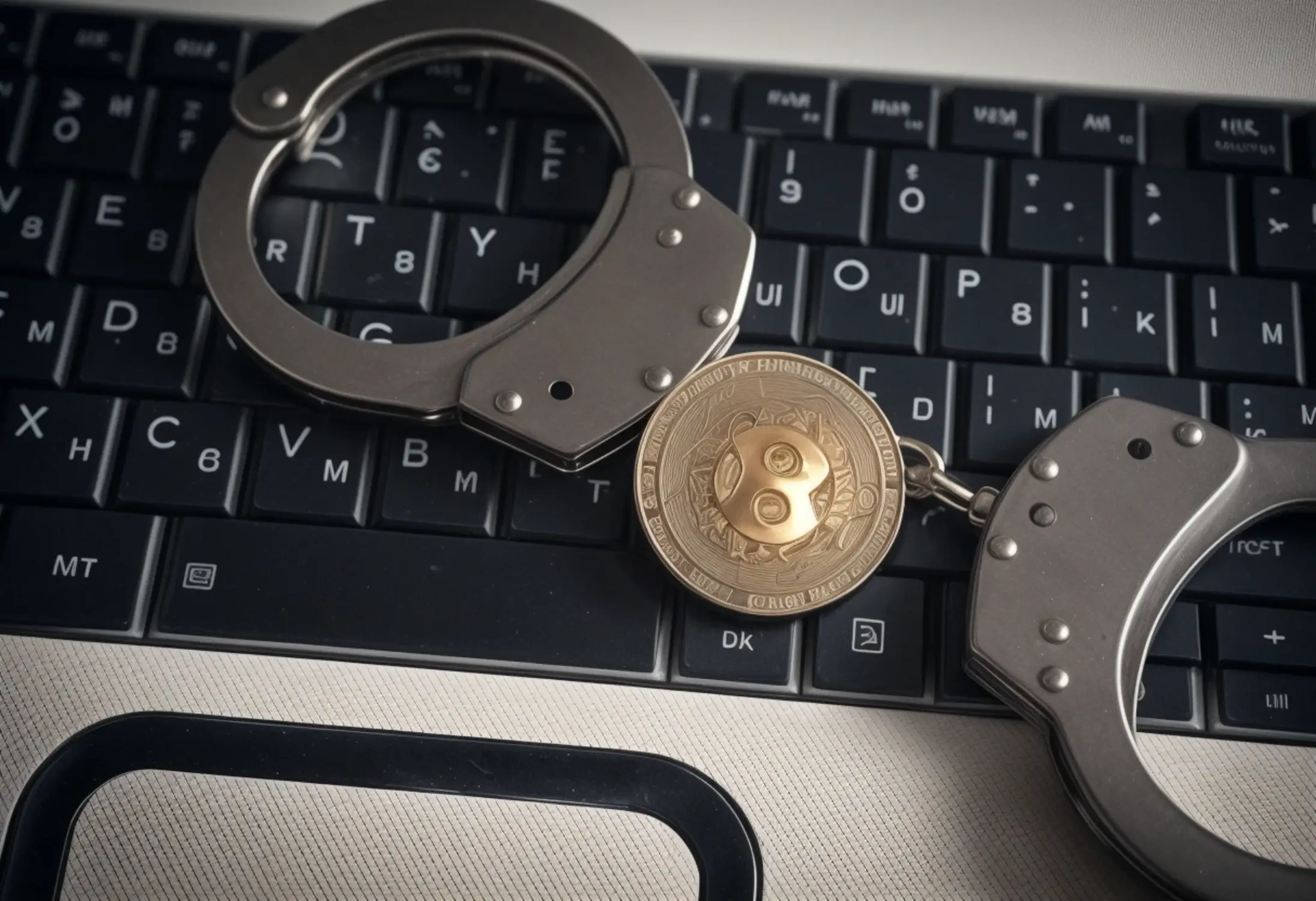


As crypto regulations evolve in 2026, we are witnessing transformative shifts that could redefine the crypto market landscape. Understanding these changes is crucial for investors and stakeholders who want to stay ahead in a rapidly changing financial environment dominated by global trends and regulatory initiatives.
Importance of Crypto Regulations in 2026
The significance of crypto regulations in 2026 cannot be overstated. Clarity in regulations can greatly enhance investor confidence, paving the way for more substantial investments and innovation within the crypto market. According to industry experts, when regulations are clear, it reduces uncertainty, enabling investors to make more informed decisions without fear of sudden market interruptions due to legal issues. Furthermore, differing regulations across regions can create distinct market opportunities and risks. For example, South Korea’s proactive approach to crypto policy contrasts sharply with more stringent regulations seen in other jurisdictions. Understanding these regional nuances is vital for global investors looking to capitalize on emerging trends.
Current State of the Global Crypto Market
At the beginning of 2026, the global crypto market has shown impressive resilience, building on the successes of 2025 when the total crypto market capitalization surpassed $4 trillion. Key players such as Binance are strategically positioning themselves amidst changing regulatory landscapes. As highlighted in a recent report by Binance, twelve significant themes are anticipated to shape the market dynamics significantly. These include increased institutional adoption and the development of innovative compliance solutions, reflecting a maturing market that is adapting to regulatory demands. Recent milestones, such as Bitcoin’s peak price reaching $126,000, demonstrate the potential for explosive growth facilitated by regulatory advancements.
South Korea’s New Crypto Policy Influence
In a notable shift, the Financial Services Commission of South Korea has lifted the corporate crypto investment ban that was previously imposed in 2017. This change allows listed companies to allocate up to 5% of their capital to the top 20 cryptocurrencies. As a result, approximately 3,500 companies and investors in South Korea can now channel trillions of won into the crypto market, potentially reversing the estimated capital outflow of $110 billion that occurred in 2025. This strategic move is expected to open new investment opportunities and significantly boost the local crypto industry. Furthermore, South Korea’s progressive stance on crypto policy could inspire other nations to reconsider their regulations, enhancing the global crypto economy’s interconnectedness and innovation in digital asset management and financial services.

Key Trends Shaping Financial Regulations
A variety of emerging trends are intersecting with financial regulations related to crypto. Institutional participation is rapidly increasing, pushing regulatory bodies to reconsider their frameworks, which often lag behind the innovation pace in the crypto space. Increased compliance requirements are driving the development of regulatory technologies, which are essential for tracking and analyzing transactions effectively. These innovations not only enhance transparency but also align with broader global trends aimed at mitigating risk in financial markets. Moreover, as regulations solidify, we are likely to see increased market stability, enabling the integration of stablecoins in everyday financial transactions, thereby facilitating smoother operations across various platforms.
Insights from Binance’s Strategic Report
Binance’s strategic report underscores twelve significant themes expected to influence the crypto market in 2026, including regulatory frameworks and the ongoing evolution of institutional participation. As the landscape evolves, these themes emerge as critical focal points for investors. Future predictions indicate that as institutional investors increase their presence in the market, a greater emphasis will be placed on compliance and risk management. Understanding and adapting to these themes is vital for navigating the complexities of crypto regulations in 2026. This alignment of market dynamics and regulatory frameworks will ultimately dictate which sectors within the crypto space flourish.
Navigating Compliance and Investment Opportunities
The evolving regulatory landscape offers both risks and opportunities for investors. One essential strategy for compliance is to stay informed about the latest regulatory updates and understand how they directly impact investment choices. As regulations tighten, diversifying investments becomes increasingly important. Investors should consider a wide array of assets to mitigate risks against sudden regulatory changes. Understanding the implications of regulatory compliance can also reveal untapped investment opportunities that arise from innovations in the crypto space.
Future Action Steps for Investors and Businesses
As we move further into 2026, its crucial for investors and businesses to adapt proactively to the changing regulatory landscape. Recommended actions include developing comprehensive strategies that align with upcoming regulations and focusing on compliance that can enhance operational capabilities. Staying informed through credible updates and engaging with industry discussions can position stakeholders favorably within the market. Ultimately, leveraging opportunities presented by new regulations will ensure sustained growth and innovation in the crypto sector.