


As we grapple with climate challenges and food security, agrivoltaics emerges as a groundbreaking approach, merging agriculture with renewable energy. This innovative method not only boosts crop yields but also fosters economic resilience, making it crucial to explore its potential and hurdles in today’s agricultural landscape.
The Significance of Agrivoltaics in Modern Farming
Agrivoltaics stands at the intersection of food production and energy generation. By utilizing land for both agriculture and solar power, this approach addresses two pressing needs: sustainable farming and renewable energy. This dual-use of land can enhance productivity significantly. For instance, a recent study demonstrated that agrivoltaics leads to increased crop yields while simultaneously generating clean energy. According to researchers, this practice is notably effective even when solar panels are inactive, continuing to provide agronomic benefits like improved soil health and moisture retention, thereby contributing to sustainable farming practices (recent analysis).
The environmental benefits of agrivoltaics are substantial. By integrating solar power with agriculture, farmers can reduce dependency on fossil fuels and emissions linked to traditional farming methods. Moreover, this innovative approach increases economic stability for farmers by diversifying income sources and making them more resilient against market fluctuations. As such, agrivoltaics presents a promising solution for enhancing both economic resilience and sustainability in modern agriculture.
Current Challenges in Implementing Agrivoltaics
Despite its advantages, the widespread adoption of agrivoltaics faces several hurdles. One primary challenge lies in local government regulations that often complicate the installation of solar panels on agricultural land. Regulations can vary significantly from one region to another, impacting the feasibility of projects. Farmers frequently encounter bureaucratic obstacles that delay or inhibit the implementation of agrivoltaic systems.
Additionally, farmers’ reluctance to adopt this technology plays a critical role in hindering progress. Many are unaware of the potential benefits agrivoltaics can bring. Education about these advantages is crucial. Studies reveal that when provided with adequate information, farmers are more likely to embrace innovative practices that can enhance their productivity and financial stability. Furthermore, infrastructural deficiencies and financing issues present roadblocks as many farmers may lack access to the capital needed to invest in such systems, underscoring the need for supportive policies and financing options.
Evaluating the Economic Impact of Agrivoltaics
The economic benefits of integrating agrivoltaics into farming practices are compelling. An analysis of yield improvements indicates that farmers utilizing agrivoltaic systems can see notable enhancements in crop production. For example, one study highlighted that farms using this dual approach not only improved their crop yields but also reduced operational costs associated with energy consumption. In this regard, agrivoltaics contributes not just to environmental sustainability but also to economic viability (as noted in various industry reports).
Moreover, statistical data reveal that agrivoltaic systems can generate significant revenue from energy sales, particularly in regions with favorable sunlight conditions. Case studies from different regions illustrate financial success stories where farms transitioning to agrivoltaics reported increased profitability. By capitalizing on these hybrid systems, farmers can navigate towards greater economic resilience, illustrating the clear link between renewable energy integration and sustainable agriculture.
Blockchain’s Role in Agrivoltaics and Farming
Blockchain technology plays a transformative role in agriculture, enhancing transparency and efficiency in agrivoltaics. By employing blockchain, farmers can streamline their processes, ensuring better tracking of inputs, outputs, and energy contributions. This technology can enhance the accuracy of data on crop productivity and energy generation, which is pivotal for both farmers and supply chain stakeholders.
The potential for blockchain to provide transparency in agrivoltaic supply chains cannot be overstated. For instance, through decentralized records, consumers can verify the sources of their food and energy, fostering trust and confidence in agricultural practices. Applications of blockchain in agriculture include traceability systems that allow for the tracking of products from farm to table, ensuring that sustainability claims are backed up by verifiable data.
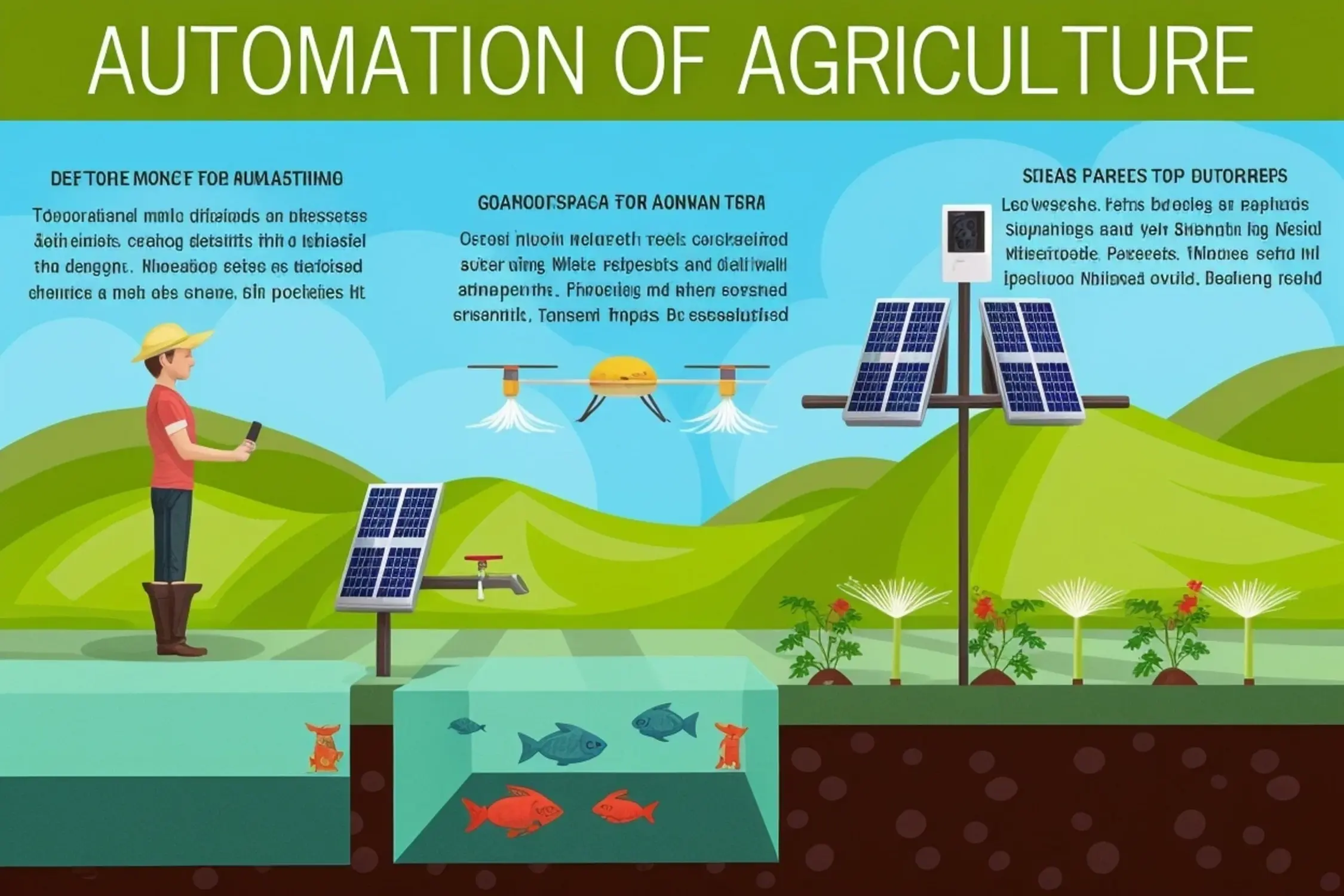
As farmers embrace agrivoltaics, the integration of blockchain can facilitate smoother operations and greater market access, by enhancing the appeal of sustainably-produced goods. This synergy between agrivoltaics and blockchain marks a significant step towards modernizing the agricultural sector while also enabling economic resilience.
Sustainable Farming Practices Beyond Agrivoltaics
While agrivoltaics presents a powerful tool for sustainable farming, it is essential also to explore other practices that complement this method. Emphasizing soil health and biodiversity is crucial to long-term sustainability in agriculture. Techniques such as crop rotation, cover cropping, and integrated pest management can work hand in hand with agrivoltaics to bolster ecosystem resilience.
Community-supported agriculture (CSA) initiatives also enhance local food systems, providing direct connections between farmers and consumers. This approach not only supports local economies but also reduces transportation emissions associated with food distribution. By focusing on local and sustainable practices, farmers can further enhance the ecological and economic benefits they derive from agrivoltaics.
Steps for Farmers to Embrace Agrivoltaics Efficiently
For farmers looking to integrate agrivoltaics into their operations, several practical steps can facilitate the transition. First, understanding the local regulatory framework is essential. Farmers should engage with local governments to gain insights into requirements and potential funding options. This engagement can help mitigate some of the bureaucratic challenges associated with implementation.
Additionally, educational resources and support systems are available to assist farmers in this transition. Collaboration opportunities with technology companies can provide access to innovations that enhance agrivoltaic efficiency. By fostering partnerships, farmers can share knowledge, resources, and technology that can drive the success of agrivoltaic projects. As agricultural landscapes evolve, the dynamic between agrivoltaics, innovation, and community engagement emerges as crucial to securing economic resilience in farming.