

Recent events in the financial markets reveal that Bitcoin’s crash signifies larger systemic issues affecting traditional assets. Understanding these connections offers insights into the broader economic landscape, prompting us to rethink investment strategies for uncertain times ahead.
Bitcoin’s Role Amid Market Turmoil
Bitcoin has long been viewed as an alternative asset, especially in times of market distress. The cryptocurrency’s behavior during economic uncertainty often reflects investor sentiment shifting towards safer havens. Historically, as pointed out in cryptocurrency analysis, Bitcoin has been known to exhibit a correlation with traditional assets like gold, particularly during downturns.
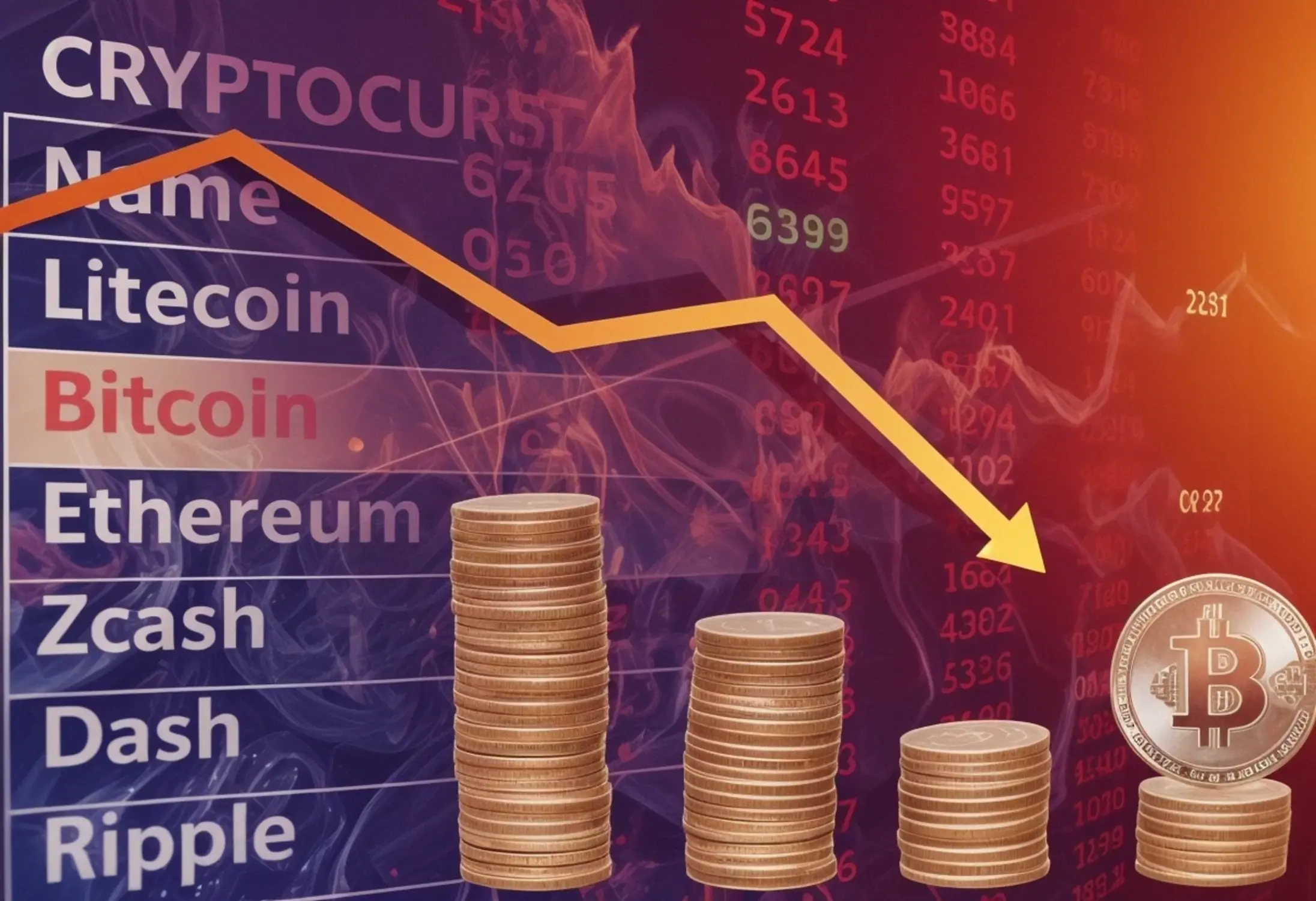
However, recent events have disrupted this pattern. Bitcoin’s significant price drop—nearly 45% from its peak of $126,000 to approximately $69,400—indicates a deeper issue at play within the financial system. As liquidity dries up, both crypto and traditional assets suffer, demonstrating that Bitcoin is not immune to broader economic trends affecting financial markets. This decoupling from its historical safe-haven role exposes vulnerabilities within the financial ecosystem, as investors grapple with the dual pressures of inflation and tightening monetary policy.
The Liquidity Crisis and Its Impacts
A crucial factor contributing to the recent market volatility has been the liquidity crisis affecting multiple asset classes. Market dynamics shifted dramatically, as reports indicate a broader liquidity shock impacting cryptocurrencies, equities, and even traditionally safe venues like gold and silver. This situation arose amid confusion surrounding U.S. monetary conditions and deteriorating labor signals, resulting in increased volatility.
Statistics paint a stark picture of the current environment: as applications for U.S. unemployment benefits surged by 22,000 to a total of 231,000, market confidence waned. This upward trend in unemployment claims can further exacerbate liquidity issues, particularly in an environment that already sees strong inflation pressures and tight financial conditions. Investors must remain vigilant, as this liquidity stress is likely to have long-lasting effects on asset valuations.
Recent Economic Signals and Their Implications
The economic landscape signals a potential downturn, with weak labor figures and inflation creating a precarious situation for the markets. Economists point out that the slowing jobs market, alongside tighter financial conditions, leads to diminished market confidence. Given that December’s U.S. Producer Price Index (PPI) reported an alarming increase of 3.0% year-over-year, the implications for both Bitcoin and traditional assets are severe.
Moreover, recent trends indicate that inflation expectations significantly shape market movements, asserting a strong influence over future price actions. Investors should be attuned to these economic indicators and how they manifest in different market segments, from cryptocurrencies to equities. This understanding is crucial as we navigate an unpredictable financial terrain.
Inflation Effects on Bitcoin and Traditional Assets
Inflation remains a key concern for investors, profoundly impacting various investment vehicles. The relationship between Bitcoin prices and inflation expectations has garnered increasing attention. When inflation rises, traditional fiat currencies typically lose value, allowing alternative assets like Bitcoin to appreciate as a hedge.
However, this dynamic has shifted recently. While inflation has surged, Bitcoin’s recent crash raises questions about its effectiveness as a hedge. As analysts have noted, anticipated inflation trends could lead to further volatility in Bitcoin prices. Investors should closely monitor inflation indicators and adjust their strategies accordingly to mitigate risk in both crypto and traditional portfolios.

Strategies for Navigating Financial Uncertainty
In light of the current volatility, safeguarding investments becomes paramount. Here are several strategies to consider:
– Diversification: Spread investments across both crypto and traditional assets to mitigate risks associated with any single investment class.
– Risk Management: Establish clear risk parameters to limit losses, especially amidst unpredictable market movements.
– Stay Informed: Regularly monitor economic indicators and market trends to adapt strategies as conditions evolve.
Employing these strategies can help investors navigate the complexities of a shifting financial landscape.
The Future of Bitcoin in a Changing Economic Landscape
When contemplating Bitcoin’s future, market experts present a mixed picture. While some envision Bitcoin adapting to changing monetary policies, others emphasize its vulnerabilities in the face of tightening financial conditions. The notion that Bitcoin can serve as a reliable flight-to-quality asset in times of crisis is being challenged.
Future scenarios point towards ongoing volatility as traditional markets grapple with their own challenges. With systemic risks affecting liquidity and confidence, Bitcoin’s position as a prominent player in the financial markets may be called into question. Investors should remain flexible, adapting their strategies to align with the evolving economic landscape as insights from experts continue to emerge.