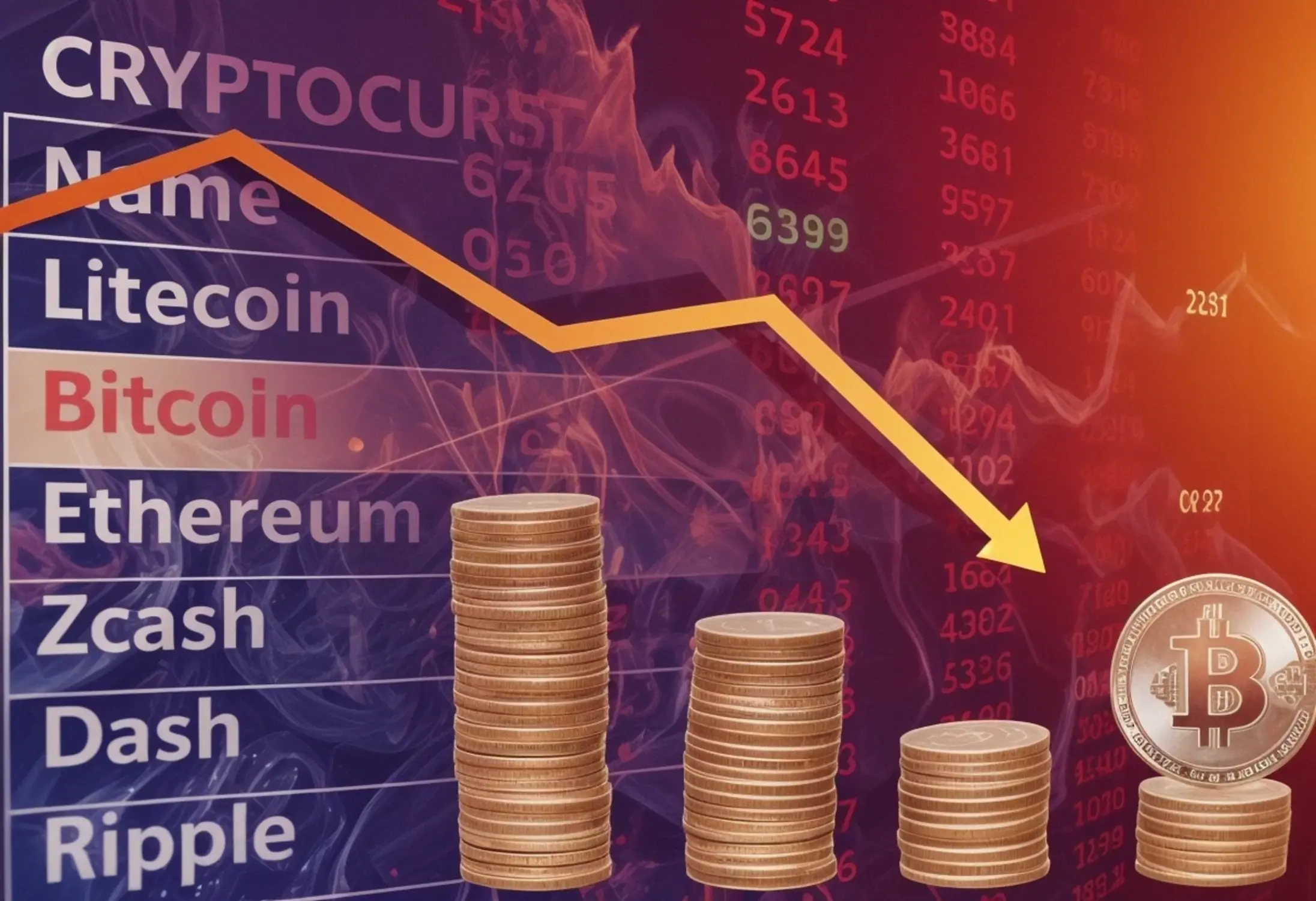


The current Bitcoin crisis raises alarm bells about its potential economic fallout. As Bitcoin continues to experience market volatility, understanding the unexpected consequences of a ‘death spiral’ is crucial for investors and the financial industry alike. Here’s what we need to consider.
Understanding Bitcoin’s Economic Death Spiral
An economic death spiral in the context of Bitcoin refers to a situation where continuous price drops lead to mass selloffs, further exacerbating the decline. This phenomenon can result from panic among investors, creating a feedback loop that drives prices down even further. Historical instances demonstrate that Bitcoin is susceptible to market sentiment; significant downturns often trigger losses that fuel additional selloffs. For example, in past episodes, Bitcoin saw prices plummet by over 30% within a matter of weeks, leading to a widespread adverse reaction among investors. This is especially concerning against the backdrop of global economic uncertainty, where fear factors can amplify investor anxiety. The interplay between Bitcoin’s price drop and broader market trends significantly influences investor sentiment, leading to a precarious environment as outlined by Futurism.
The Impact of Bitcoin Selloff on Investors
The recent Bitcoin selloff poses substantial risks to individual investors. Those holding onto Bitcoin during volatile periods may experience severe financial repercussions. Analysts suggest that as Bitcoin prices fall, many investors may panic-sell, locking in losses and potentially missing out on future gains if recovery occurs. This aligns with warnings issued by industry experts, such as Michael Burry, who cautioned that the ongoing selloff could lead to significant losses among retail investors as well. Investors must consider their risk tolerance and exit strategies to navigate this unpredictable landscape effectively.
Holding Bitcoin in uncertain times means facing the potential of steep depreciation. Burry pointed out that if more panic-driven selloffs occur, the financial industry could collectively incur heavy losses. Understanding these dynamics is essential for anyone engaging with Bitcoin, given that sentiment can drastically influence market behavior, as previously mentioned in reports from Seeking Alpha.
Market Volatility and Its Repercussions
Current market volatility surrounding Bitcoin prompts a broader analysis of its potential repercussions. As Bitcoin enters this uncertain territory, the consequences extend to other cryptocurrencies and financial assets. Market dynamics suggest that downturns in Bitcoin often correlate with declines in alternative cryptocurrencies; as Bitcoin sells off, many investors liquidate their holdings across the board, leading to a snowball effect in losses.
To mitigate risks, investors can adopt several strategies:
– Diversifying portfolios to include a variety of assets beyond cryptocurrencies.
– Limiting exposure to Bitcoin by setting stop-loss orders, which automatically sell holdings if prices drop below a predetermined level.
– Staying informed about market trends and news to make calculated decisions amidst volatility.
In highly volatile markets, remaining alert to these potential effects can help investors safeguard their investments while navigating these chaotic waters.
Investor Sentiment Driving the Market
Investors’ perception of Bitcoin significantly affects market behavior. Public attitudes can sway rapidly, often influenced by news cycles or high-profile market figures. Michael Burry’s insights highlight how investor sentiment drives market trends, and negative sentiments can perpetuate declines. A consistent narrative of impending doom in media coverage can worsen the situation by amplifying feelings of fear.
When media outlets spotlight Bitcoin’s volatility, it can frame public opinion. Reports suggesting imminent further declines lead to panic-driven selloffs as retail investors react to perceived threats. For instance, recent headlines about Bitcoin’s struggles have reportedly impacted both investor confidence and market activity. High-profile commentators’ opinions can further influence this sentiment, making it crucial for investors to critically evaluate the information they consume. Ultimately, understanding this relationship between media coverage and market behavior is essential for navigating the shifting landscape.
Risks for Companies Holding Bitcoin
Companies engaging in the practice of stockpiling Bitcoin face unique risks during a market downturn. The value of Bitcoin’s holdings may diminish sharply in volatile markets, impacting a company’s balance sheet and investor perceptions. Long-term, this could lead to significant implications, such as potential liquidity crises or diminished operational capacity due to depreciating asset values.
As warned by Burry, the ramifications for companies could be lengthy if a death spiral develops, resulting in considerable damage to their market positions. Businesses must implement strategies to navigate these risks effectively. Some approaches include:
– Developing risk management frameworks to handle volatility.
– Monitoring market conditions to avoid heavy losses during downturns.
– Creating liquidity buffers to sustain operations in adverse conditions.
Addressing these risks holistically is essential for companies involved with Bitcoin, particularly in a market fraught with uncertainty, as noted in discussions from the Herald Sun.
What Can We Do to Prepare?
Preparedness is vital for managing investment risks during a Bitcoin crisis. Investors should be proactive in protecting their assets through several recommended strategies. First, consider reassessing your portfolio to ensure it aligns with your risk tolerance, especially during tumultuous market conditions. Diversification can involve exploring different asset classes or sectors beyond cryptocurrencies.
Additionally, staying informed is crucial. Engaging with reliable financial news sources can help you remain updated on developments affecting Bitcoin and broader financial markets. Establishing a robust knowledge base allows for making informed decisions during times of crisis. Investors should also frequently evaluate their exit strategies and risk management practices.
In conclusion, as the Bitcoin crisis unfolds, awareness and preparation are crucial. By understanding market dynamics and the gravity of individual decisions, investors can better navigate the complexities of potential economic fallout. Through diversification and informed decision-making, it’s possible to safeguard assets in uncertain times.