

In a year fraught with economic uncertainty, many are reevaluating Bitcoin’s status as a safe haven asset. We need to understand how shifting perceptions and market dynamics could impact investment strategies and highlight pivotal changes in the crypto landscape.
Shifting Perceptions of Bitcoin as a Safe Haven
The perception of Bitcoin as a safe haven asset is undergoing significant transformation. Traditionally viewed as a digital alternative to gold, Bitcoin’s legitimacy is now under scrutiny. Public sentiment is shifting. Many investors are beginning to question whether Bitcoin truly offers the stability they seek amid turbulent economic conditions. This skepticism is largely due to volatility and regulatory scrutiny, which contrasts sharply with the long-standing stability of traditional assets like gold.
Experts, including investment strategist James E. Thorne, argue that Bitcoin’s safe-haven narrative faces mounting pressure. As Thorne states, “For the first time in 12 years, I’m questioning Bitcoin’s thesis” (Industry Reports). This suggests a growing hesitance among investors to rely solely on Bitcoin as a beacon of safety. Furthermore, the crypto market remains susceptible to sudden downturns, making investors wary of considering it a reliable store of value during economic turmoil.
Economic Uncertainty Fuels Debate
Economic instability, driven by inflation and rising interest rates, deeply impacts investor behavior. As these factors cause unease in global markets, many turn to assets perceived as safer. In this climate, gold often garners preference over Bitcoin, as it has historically been viewed as a hedge against inflation and economic downturns. Research indicates that investors are reallocating portfolios; they’re moving towards gold, particularly during periods of rapid inflation and market unpredictability, as noted by various market researchers.
The influence of monetary policy exacerbates this trend. As central banks tighten monetary policies, capital flows tend to favor more stable assets. Bitcoin, whose price can swing dramatically, faces challenges asserting itself as a safe haven where traditional gold shines more consistently. It is essential for investors to analyze which asset aligns with their long-term strategies amidst these economic instabilities.
Geopolitical Risks Influencing Crypto Investments
Geopolitical tensions worldwide are reshaping investment priorities, with Bitcoin caught in the crossfire. Events like sanctions or conflicts often compel investors to rethink their positions and consider alternative assets. As individuals and institutions look to diversify their portfolios, Bitcoin’s role as a hedge against geopolitical risks is critical.
For example, sanctions on certain countries lead to increased Bitcoin investments as a means to circumvent traditional banking systems. Case studies have shown that during geopolitical unrest, Bitcoin often experiences a surge in demand. The digital currency becomes attractive not just as an investment but as a tool for financial freedom. As these tensions loom, Bitcoin’s narrative as a diversifying asset cannot be overlooked. It offers a unique proposition in an increasingly complicated geopolitical landscape. (Bloomberg)
Current Trends in the Crypto Market
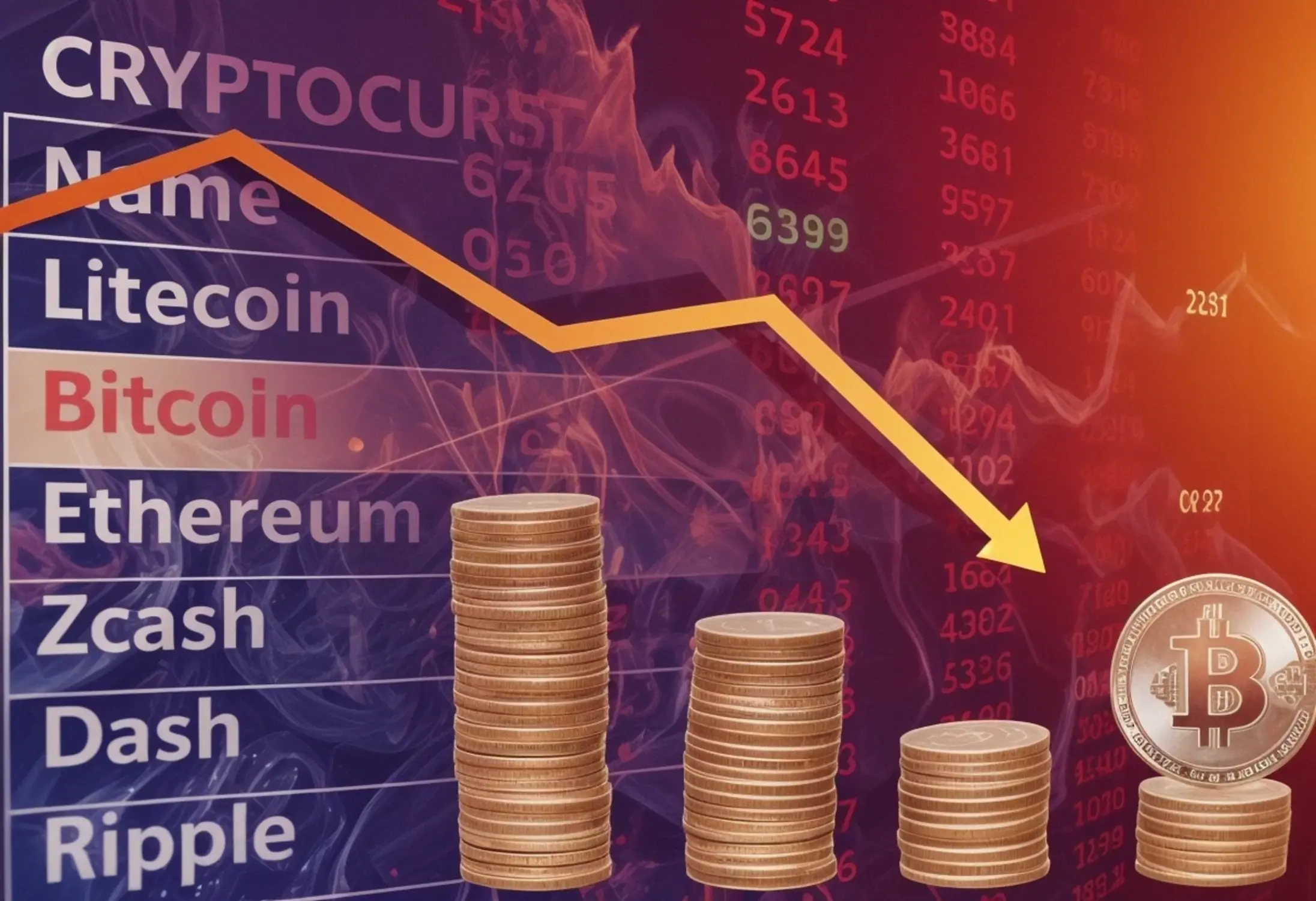
Recent market data reveals a shift in Bitcoin’s performance compared to its past. While previously considered a high-risk, high-reward investment, Bitcoin’s volatility is causing mixed reactions among institutional investors. Recent studies indicate that retail involvement is on the rise, though hesitantly, as many seek to capitalize on potentially lower prices amid ongoing market corrections.
Institutional investors are exercising caution, reflecting a critical analysis of regulatory developments impacting crypto market trends. The introduction of stricter regulations may enhance security but also instills fear of further market instability. As investors respond to this rapidly changing landscape, understanding these trends becomes crucial.

Expert Analysis of “Bitcoin vs Gold”
The ongoing debate between Bitcoin and gold continues to evolve. Proponents of Bitcoin argue that it represents the future of currency, particularly in times of economic distress, while gold advocates highlight its time-tested history as a safe haven. Financial strategists such as James E. Thorne underscore the stark differences in these emerging narratives. While gold continues to reflect skepticism about debt and monetary policy, Bitcoin’s safe-haven narrative is becoming increasingly complex as market dynamics shift significantly.
Thorne’s perspective is valuable—he casts Bitcoin and gold as opposing bets on the U.S. economy’s future (Industry Reports). As confidence in the U.S. economic direction fluctuates, the inclination for safe havens may swing back to Bitcoin or solidify gold’s position. Investors must weigh these perspectives carefully as market conditions shift.
Strategic Moves for Investors
Given the volatile nature of Bitcoin and persistent economic uncertainties, investors need actionable insights to navigate this complex landscape effectively. Diversification remains crucial. By blending traditional assets like gold with Bitcoin, investors can shield themselves from potential downturns.
Additionally, it’s essential to keep abreast of shifting geopolitical landscapes. Awareness of sanctions, trade agreements, and conflict zones will influence where to invest safely. Strategies for investment must align not just with financial goals but also with broader economic and geopolitical contexts.
In conclusion, adapting strategies in light of evolving perceptions and market dynamics surrounding Bitcoin as a safe haven is essential. Investors should remain alert, flexible, and informed to mitigate risks and seize opportunities in today’s unpredictable environment.