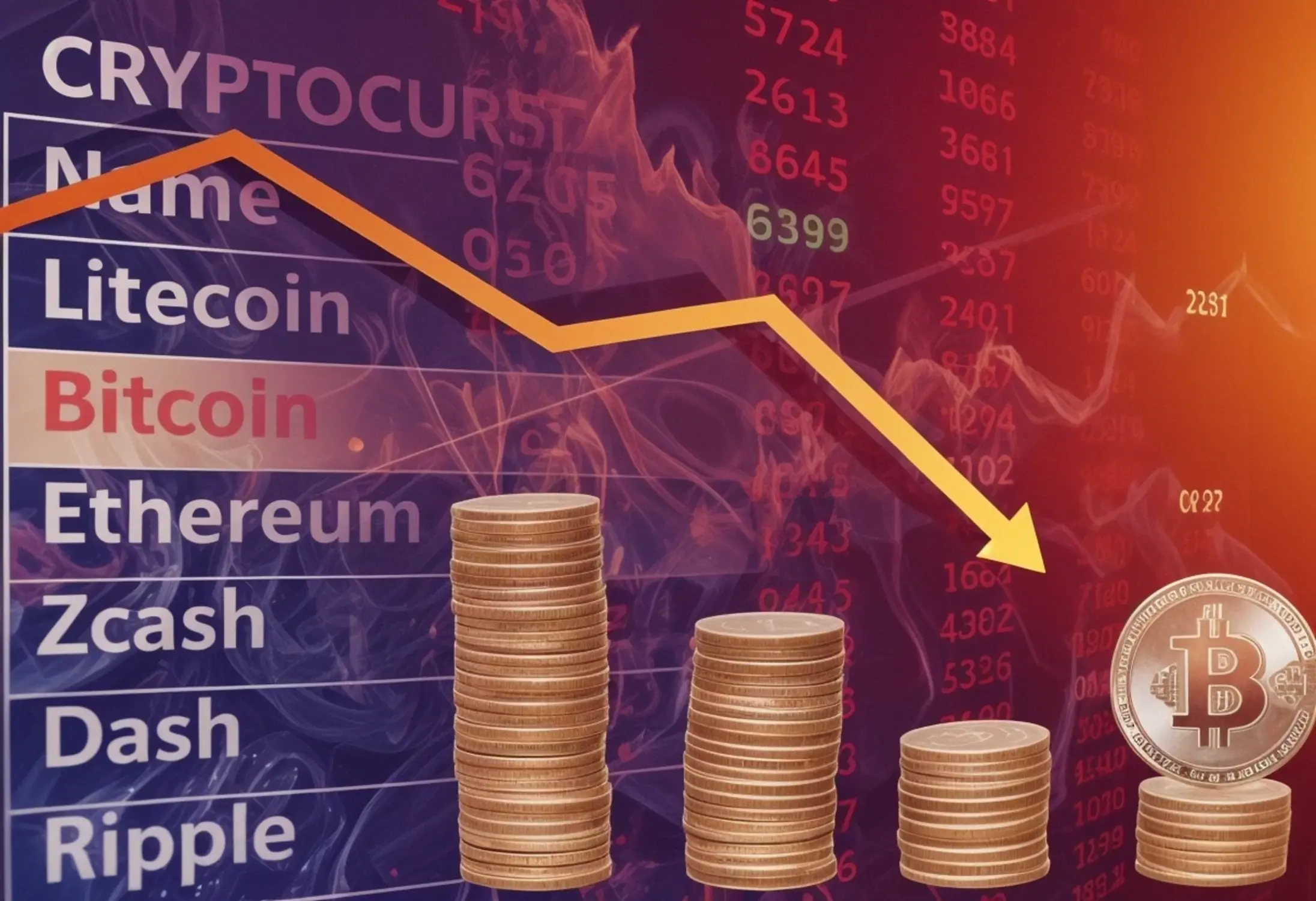


The volatility of Bitcoin is becoming increasingly concerning as over-leveraged markets loom large, affecting investors and stability alike. Understanding the dynamics of these financial conditions now is critical for predicting Bitcoin crash potential and securing investments in a risky landscape.
Understanding Bitcoin Crash Prediction in Over-leveraged Markets
Over-leveraged markets tend to inflate asset prices beyond sustainable levels, making them vulnerable to sharp corrections. When investors heavily leverage their positions, the potential for widespread liquidation increases during market downturns. This situation can significantly impact Bitcoin’s price stability. According to recent reports, analysts forecast that if the current leveraged positions remain high, a crash similar to previous market downturns could occur.
Experts have voiced concerns over these vulnerabilities; prominent economists warn that over-leverage could lead to systemic risks within the broader cryptocurrency market. Historical events, such as the 2020 collapse during the pandemic and the 2018 bear market, serve as cautionary tales. These episodes have shown how quickly sentiment can shift, especially when investors are over-leveraged and exposed to potential margin calls or liquidations.
Current Bitcoin Market Trends Impacting Stability
Recent developments in Bitcoin pricing showcase the correlation between market leverage and price volatility. As leveraged trading surged in 2021, Bitcoin experienced significant fluctuations, peaking near $125,000 before retracting below $70,000 at the time of this writing. Such swings can be devastating for investors and suggest a tenuous market structure.
Additionally, fluctuations in Bitcoin’s price often reflect broader trends within the cryptocurrency ecosystem. For instance, shifts in Ethereum and other altcoin movements have been seen to reverberate throughout the Bitcoin market, causing unpredictable volatility. The interplay between major cryptocurrencies highlights just how delicate the current balance of power is in the market.
Role of Financial Institutions in Cryptocurrency Dynamics
Major financial players significantly influence the Bitcoin market’s trajectory. Institutions like Goldman Sachs and investment firms including KKR and Blackstone have begun to increase their presence in the cryptocurrency space, reshaping its dynamics entirely. This institutional interest has both amplified and stabilized Bitcoin’s value but also added layers of complexity. The reliance on traditional financial metrics in assessing cryptocurrencies marks a significant shift, with experts suggesting that their involvement may heighten market risks.
Furthermore, the Federal Reserve and Treasury strategies will play a crucial role in shaping the future of cryptocurrencies. Key financial figures, such as Kevin Warsh and Scott Bessent, are tasked with navigating these risks while ensuring financial stability. Their decisions can reverberate through the cryptocurrency landscape, as seen in reactions to interest rate changes and monetary policy shifts.
Cryptocurrency Analysis: Expert Insights on Market Risks
Expert commentary regarding the dangers of leveraging in crypto markets has become increasingly poignant. Analysts emphasize that excessive leverage can amplify losses during downturns, creating a volatile feedback loop that exacerbates downturns, as stated by noted economists like Paul Krugman.
Moreover, artificial intelligence technology is starting to reshape how market predictions are made, introducing new tools that may enhance forecasting accuracy. As industry experts note, this technological advancement could potentially provide better safeguards against the risks associated with over-leverage in the cryptocurrency space, leading to more informed investment strategies.

The Consequences of Over-leveraged Markets on Financial Predictions
The implications of high leverage in financial markets extend far beyond immediate risks. Statistical correlations have emerged between leveraged market activities and Bitcoin price crashes, raising alarms among analysts. Over-leveraged setups often provoke panic selling when prices decline, as forced liquidations can lead to cascading effects. This scenario raises concerns about the sustainability of Bitcoin’s price levels in a highly interconnected market.
Moreover, anticipated regulatory changes could force institutions to adapt their leveraging practices. As the landscape evolves, the recuperation from these potential shocks will depend heavily on sound regulatory frameworks that can address emerging risks without stifling innovation.
Actionable Steps for Investors in Uncertain Markets
Investors seeking stability in an uncertain landscape must proactively mitigate risk. Strategies such as diversifying investment portfolios and maintaining balanced exposure to Bitcoin and other cryptocurrencies can help buffer against potential volatility. Moreover, staying informed about market trends in related cryptocurrencies can further elucidate possible movements in Bitcoin prices.
It’s paramount that individuals conduct thorough due diligence. Keeping a close eye on market sentiments and leveraging news can assist investors in navigating these turbulent times while safeguarding their investments.
Preparing for Future Financial Turmoil: Investors’ Responsibilities
Proactive financial literacy amongst investors is fundamental in facing potential market crises. Understanding market dynamics ahead of crises can enable investors to make informed decisions, minimizing their exposure to impending downturns.
Moreover, remaining informed on economic forecasts and financial policies is crucial. As the landscape fluctuates, investors should be equipped with the tools and knowledge needed to adapt strategies accordingly and respond effectively to unexpected shifts in market conditions.