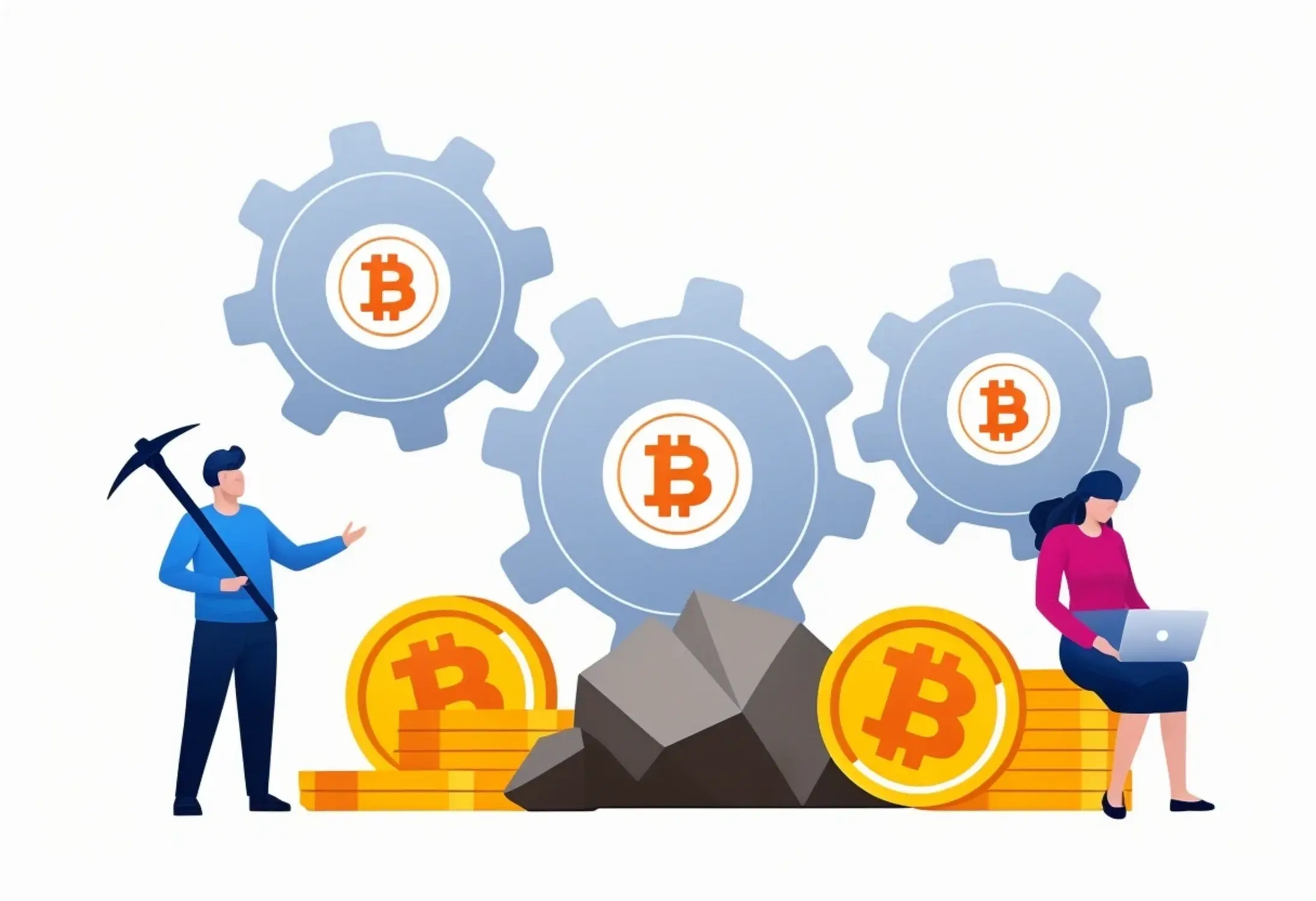


As we navigate the evolving landscape of Bitcoin mining, understanding the key trends shaping profitability is crucial. In 2026, technological advancements, regulatory shifts, and market dynamics will redefine how miners operate, emphasizing the need for adaptation and strategic planning.
The Growing Importance of AI in Bitcoin Mining
The integration of AI in Bitcoin mining operations is becoming increasingly prevalent. Miners are leveraging artificial intelligence not only to enhance efficiency but also to significantly reduce operational costs. For instance, mining companies are investing heavily in AI technologies to optimize their processes and stay competitive in a rapidly changing environment. This investment includes the establishment of sophisticated AI infrastructures that can predict market trends and streamline energy usage, which is essential for profitability as energy costs fluctuate.
Furthermore, AI applications in mining can analyze vast amounts of data to determine the most profitable mining strategies. According to recent reports, 14 mining companies plan to triple their current energy capacity through substantial investments in data infrastructure for AI. This trend not only reflects a shift in operational strategy but also signifies a proactive approach to counter challenges such as the hashprice squeeze that many miners face today.
Hashprice Squeeze: A New Challenge for Miners
The hashprice squeeze is emerging as a significant challenge for Bitcoin miners, impacting their profitability profoundly. This squeeze occurs when the computational costs of mining exceed the revenue generated from mined bitcoins. Understanding the causes of this phenomenon is essential for miners. Key factors include increased competition, a growing number of miners, and the halving events which periodically reduce block rewards.
To mitigate these effects, miners are developing strategies that focus on efficiency and cost reduction. This includes investing in more powerful hardware, optimizing their mining algorithms, and switching to alternative cryptocurrencies with lower competition. The urgency for adaptation is echoed in the industry, as miners recognize the importance of staying agile in response to market fluctuations and technological advancements.
Analyzing Bitcoin Profitability in 2026
As we look towards 2026, understanding the current profitability landscape for Bitcoin mining is essential. While Bitcoin’s price remains volatile, the underlying factors influencing profitability are critical to assess. Market conditions such as transaction fees, mining difficulty, and external economic factors all play pivotal roles in miners’ revenue.
Predictions indicate that Bitcoin’s profitability could experience fluctuations based on these metrics. For example, according to CoinDesk, the total stablecoin market cap has exceeded $300 billion, showing a much stronger foundation today compared to previous cycles. This stability could enhance market confidence and influence mining investments positively. As miners analyze these factors, they must employ robust forecasting methods to remain profitable in an ever-evolving market.
Energy Capacity Expansion in Mining Operations
Mining companies are planning to significantly increase their energy capacity to meet growing demands. Currently, the industry has 11 operational gigawatts, with firms projecting to expand capacity by an additional 30 gigawatts in early-stage development. This expansion is driven by the dual need for more energy to support mining operations and the rising popularity of AI technologies in mining.
The technologies involved in this capacity expansion include advanced cooling systems, renewable energy solutions, and more efficient power management systems. By embracing these innovations, mining firms aim to reduce their carbon footprint while also enhancing overall profitability. Such progressive measures are not only essential for existing operations but will also facilitate future growth in the ever-competitive Bitcoin mining sector.

Overcoming Operational Challenges in Mining
Miners today face a variety of operational challenges due to ongoing technological shifts. The transition from ASICs (Application-Specific Integrated Circuits) to GPUs (Graphics Processing Units) presents unique hurdles for the Bitcoin mining industry. This shift can generate significant costs, which are often difficult to absorb in a fluctuating market.
Addressing these operational challenges requires innovative solutions. Miners can explore hybrid models that utilize both ASICs and GPUs, allowing them to take advantage of the benefits each technology offers. Additionally, developing economies of scale and investing in training for personnel can help mitigate the financial impacts of transitioning technologies. The ability to adapt to these operational changes will prove crucial for sustainability in an increasingly complex mining environment.
Market Sentiment and Its Effects on Mining Operations
Market sentiment plays a prominent role in shaping Bitcoin mining operations. Currently, the sentiment in the crypto landscape is somewhat muted, with Bitcoin experiencing notable price declines. However, historical context suggests that the fundamentals of the industry have strengthened compared to previous cycles. Notably, the stablecoin market has seen significant growth, indicating a more robust infrastructure in the cryptocurrency space.
For miners, understanding this sentiment is vital for effective strategic planning. With user engagement shifting to greater numbers in various networks, as demonstrated by the increase in daily active users across platforms, miners can capitalize on the current dynamics to enhance their operational strategies. Developing flexible operational plans that can quickly adapt to market sentiment will be key in navigating these challenges.
Innovations Driving Future Profitability in Bitcoin Mining
Emerging technologies hold the potential to drive future profitability within Bitcoin mining. Innovations in energy efficiency, along with advancements in blockchain technology, promise to shape operational standards moving forward. Furthermore, the incorporation of AI and machine learning in mining will likely lead to more precise forecasting of revenue and costs, improving strategic decision-making.
Adaptability will be crucial in embracing these innovations. As the industry evolves, miners who invest in new technologies and revisit their strategies regularly will be better prepared for shifts in profitability. Preparing for this evolving landscape involves not only adopting new technologies but also fostering a culture of continuous improvement and learning within organizations.
In conclusion, as Bitcoin mining progresses into 2026, the emphasis on understanding and adapting to these key trends will be pivotal. With AI integration, market adaptations, and improved energy capacities, the industry’s ability to thrive will depend on strategic foresight and adaptability.