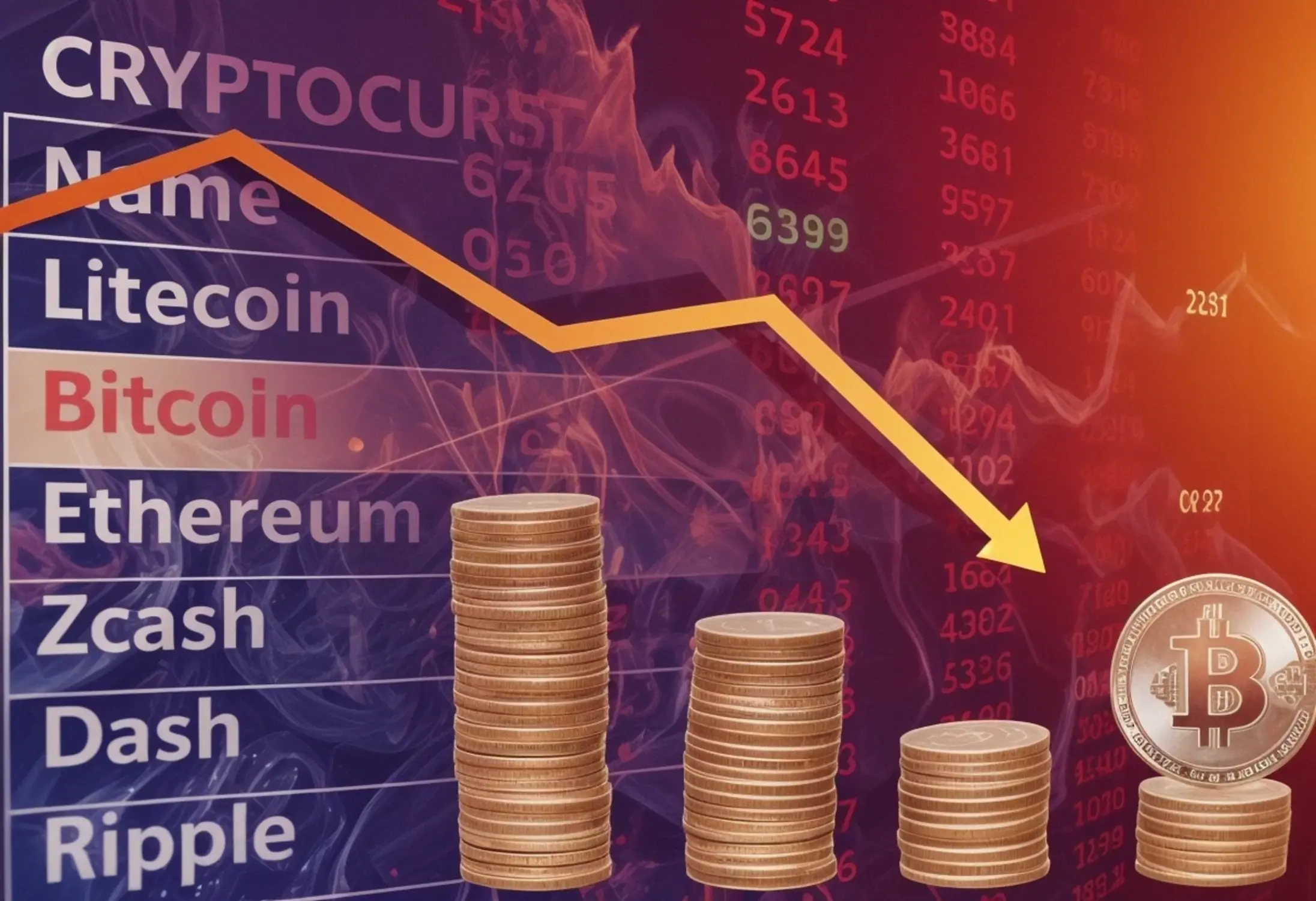


In today’s rapidly evolving financial landscape, understanding crypto risk assessment is essential. The volatility associated with Bitcoin can pose significant risks. We need to explore these hidden dangers and grasp what they mean for our investments.
The Urgency of Crypto Risk Assessment
The swift adoption of cryptocurrencies signals an urgent need for diligent risk evaluation. With Bitcoin’s market cap soaring over the years, individuals and institutional investors alike are flocking to crypto as an asset class. However, many are unaware of the severe implications that Bitcoin’s notorious volatility can entail. As industry experts note, the fear and uncertainty surrounding Bitcoin prices can lead to hasty investment decisions, frequently driven by market hype rather than rational analysis.
Recent market trends have amplified these concerns. The price of Bitcoin recently experienced a drastic dive, leading to significant losses for many investors. This underscores the critical importance of a robust crypto risk assessment to navigate what often feels like a minefield. Without proper risk evaluation, investors may find themselves vulnerable to sudden price swings that can obliterate their portfolios.
Unraveling Bitcoin’s Volatility Myths
Myths surrounding Bitcoin’s price volatility often overshadow the real factors influencing market fluctuations. A prevalent misconception is that Bitcoin is simply too speculative, disregarding its legitimate potential as a store of value. However, recent reports indicate that investor sentiment, regulatory changes, and macroeconomic factors play pivotal roles in driving Bitcoin’s price changes.
The psychological aspect of trading cannot be understated. Investor behavior often leads to panic selling during downturns, further exacerbating volatility. For instance, market swings can lead to herd mentality, pushing prices to extremes that are often disconnected from Bitcoin’s fundamental value. This paints a clearer picture of volatility, illustrating that it stems not just from market speculation, but from a complex interplay of various factors.
Current Market Trends in Crypto Investments
Recent trends indicate a seismic shift in how cryptocurrencies are perceived and traded. Bitcoin has drawn attention both as a risk asset and a potential safe haven amidst economic uncertainty. Factors such as rising inflation rates and geopolitical tensions have altered investor sentiment, placing Bitcoin in a spotlight like never before.
Examples of recent price movements, such as Bitcoin hitting historically high valuations followed by dramatic corrections, are indicative of a volatile market. The correlation between Bitcoin and traditional financial markets has also grown tighter, suggesting that macroeconomic trends significantly impact its price. Investors must stay informed about these market dynamics to make sound investment decisions in the face of impending volatility.
Understanding Risk Assets in the Crypto Realm
Bitcoin is often categorized alongside other risk assets like tech stocks and commodities; this classification stems from its price volatility and speculative nature. Unlike traditional assets, Bitcoin’s value is not supported by tangible assets or consistent earnings, which contributes to its unpredictability.
Investors should recognize Bitcoin’s characteristics that frame it as a volatile investment. These include liquidity concerns, regulatory scrutiny, and the influence of market psychology. Compared to established risk assets like stocks, which are generally backed by corporate performance, Bitcoin continues to operate in the realm of speculation, necessitating careful consideration and risk assessment before investing.

The Role of Market Trends in Bitcoin Stability
Market trends play a crucial role in influencing Bitcoin’s stability. Economic changes, political instability, and shifts in consumer sentiment can lead to rapid price alterations. For instance, recent global events, such as the tightening of monetary policy, have made significant impacts on crypto markets, including Bitcoin prices.
Case studies show that major announcements—like government regulations or institutional investments—can either stabilize or destabilize the market. The unpredictable nature of these influences requires investors to be vigilant and adaptable to changing conditions. Regular analysis of current trends is essential to grasp how external factors affect Bitcoin’s market stability in the long run.
Actionable Steps for Informed Crypto Investors
For those looking to invest in Bitcoin, understanding how to conduct effective crypto risk assessments is paramount. Investors should consider several strategies:
– Diversification: Spread investments across various assets to mitigate risk.
– Continuous Education: Stay updated with the latest market trends and regulatory changes.
– Risk Management Techniques: Set clear criteria for buying and selling to manage potential losses.
– Utilize Analytical Tools: Leverage market analysis tools to gain insights.
Encouraging disciplined investment behaviors will allow investors to navigate the treacherous waters of Bitcoin volatility more effectively. In an ever-evolving financial landscape, utilizing solid resources and strategies is essential for better investment decisions.