
Today, as the world increasingly pivots toward decentralized finance, understanding blockchain interoperability has never been more crucial. The concept of Superchain represents a revolutionary step in overcoming barriers between blockchain networks, offering enhanced utility and collaboration that savvy users must not overlook.
Why Blockchain Interoperability Matters Now
The rise of decentralized applications demands seamless communication across blockchain networks. Without interoperability, these applications can face significant limitations, preventing them from reaching their full potential. Currently, many blockchain networks operate in silos, creating barriers that hinder widespread crypto adoption. As highlighted by industry reports, this segregation results in lost opportunities for developers and users alike.
Furthermore, evolving governance models are beginning to play a vital role in facilitating interoperability. By establishing frameworks that encourage collaboration, networks can provide better tools and systems for users. The changing landscape calls for a collective approach that includes innovative solutions like the OP Stack, which connect diverse blockchain ecosystems to enhance their functionality.
Current Landscape of Blockchain Networks
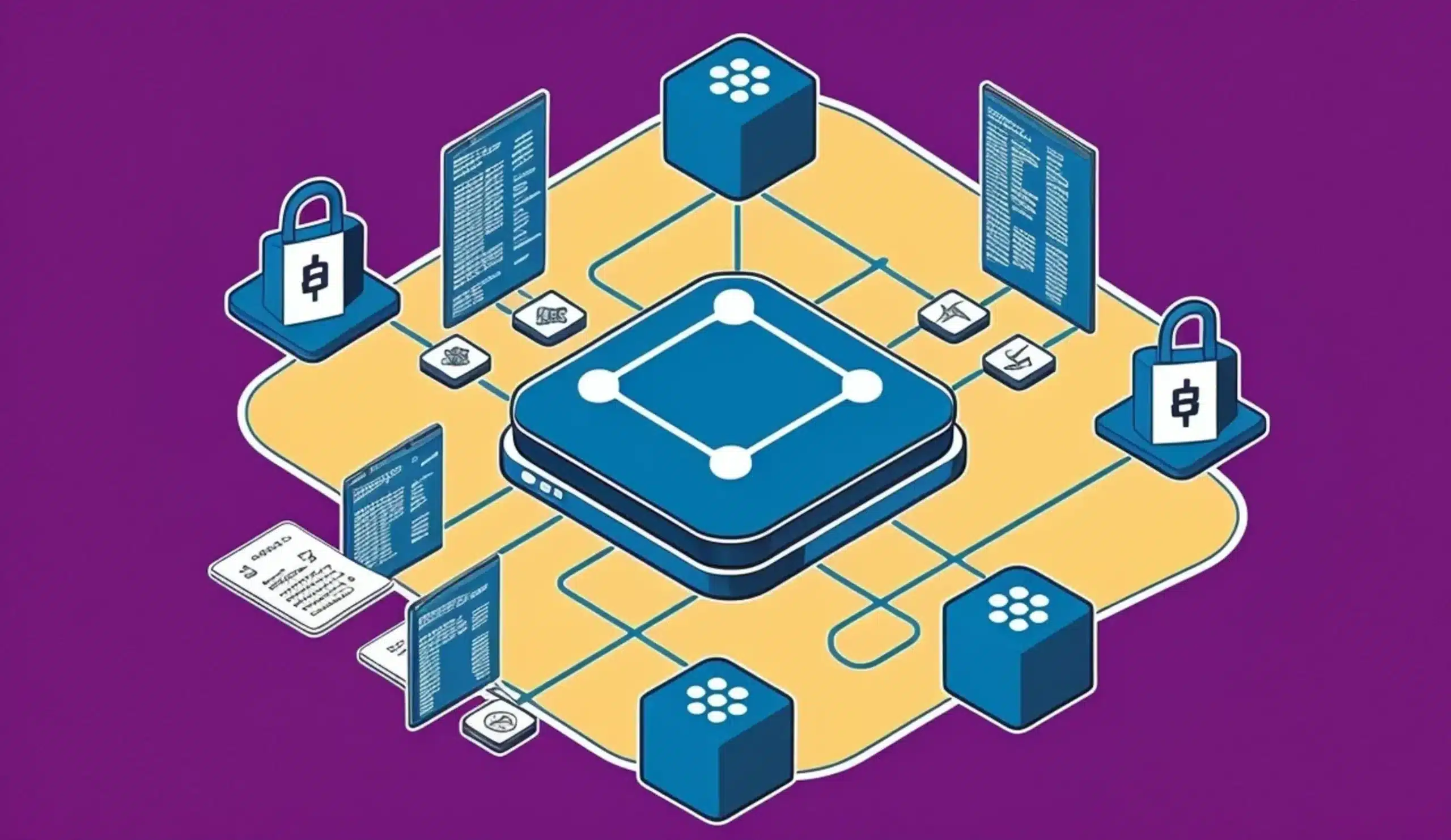
The blockchain ecosystem is rapidly evolving, with numerous networks emerging to cater to various demands. Ethereum, Binance Smart Chain, and Solana are just a few of the leading players, each with unique capabilities. However, as the complexities grow, the necessity for interoperability becomes increasingly clear. This is where Superchain steps in; it serves as an emerging solution designed to knit together these fragmented networks.
By employing mechanisms for easier communication and data exchange, Superchain aims to enhance the broader blockchain ecosystem, creating bridges where previously there were walls. As developers innovate within this framework, they inevitably impact the future of blockchain interoperability. For instance, the integration of the OP Stack has shown promising results, suggesting that collaboration among existing networks can yield impressive outcomes.
The Role of OP Stack in Enhancing Interoperability
At the heart of the interoperability conversation lies the OP Stack, which significantly enhances the capabilities of Ethereum’s Layer 2 solutions. The OP Stack utilizes optimistic rollups, which improve transaction speeds and reduce costs. This is particularly critical for applications requiring quick processing times, as slow transactions can lead to user dissatisfaction.
As noted by experts, the OP Stack has facilitated successful integrations within various applications, demonstrating its versatility and effectiveness. By enabling a more efficient transaction environment, developers can create applications that leverage this enhanced interoperability to engage users effectively and make transactions smoother. This integration not only reflects the technological evolution but also reaffirms the importance of collective growth in the blockchain space.
Common Misconceptions About Superchain
Despite its potential, skepticism about Superchain technology persists. Critics often point to concerns regarding its scalability, arguing that as the network grows, it may face bottlenecks. However, this perspective often overlooks the inherent strengths of Superchain, including its architecture designed explicitly for scalability.
Understanding the true capabilities of Superchain requires looking beyond initial stereotypes. The technology has evolved, allowing for more robust solutions to emerge. Concerns about trustworthiness also arise, particularly regarding centralization challenges. Yet, innovative governance models are being established to mitigate these issues, thereby enabling a more decentralized and trustworthy network.

Challenges in Integrating Crypto Payroll Systems
Integrating crypto payroll systems poses its own set of challenges. For instance, withdrawal delays present significant hurdles for many organizations. A seven-day withdrawal delay on platforms like Optimism complicates payroll solutions, particularly for European SMEs, as highlighted in previous discussions about crypto payroll integration challenges. This friction can weaken user trust and affect participation rates (as discussed in recent articles).
The issue of centralization also looms large, as it affects the trust users have in the system. As such, addressing these concerns is critical for broadening the adoption of crypto payroll solutions. Potential solutions include enhancing communication about transactional processes and offering real-time updates as transactions progress, ultimately increasing user confidence.
Steps Towards Achieving Seamless Interoperability
Achieving seamless interoperability requires actionable strategies tailored for blockchain developers and users. Community involvement is paramount; those involved in governance can foster collaboration and testing new strategies that enhance interoperability. Developers should focus on creating tools that leverage the benefits of Superchain, ensuring accessibility and ease of use for all participants.
Resources like forums, collaboration tools, and case studies can further enhance understanding and development. Utilizing these tools will enable stakeholders to capitalize on the potential of Superchain, allowing for a transformative approach to blockchain ecosystems.
The Future of Interoperability in Blockchain Networks
Looking into the future, blockchain interoperability is poised for evolution in the coming years. As new regulatory frameworks develop around the world, their impact on interoperability initiatives will shape how blockchain networks communicate and collaborate. A collective effort involving developers, users, and regulators will be necessary to overcome the remaining barriers.
The prospects for interoperability are exciting, suggesting a more integrated, user-friendly landscape. As the barriers diminish, the blockchain world may indeed fulfill its potential as a truly decentralized ecosystem where applications work seamlessly across networks, driving innovation and cooperation to new heights.