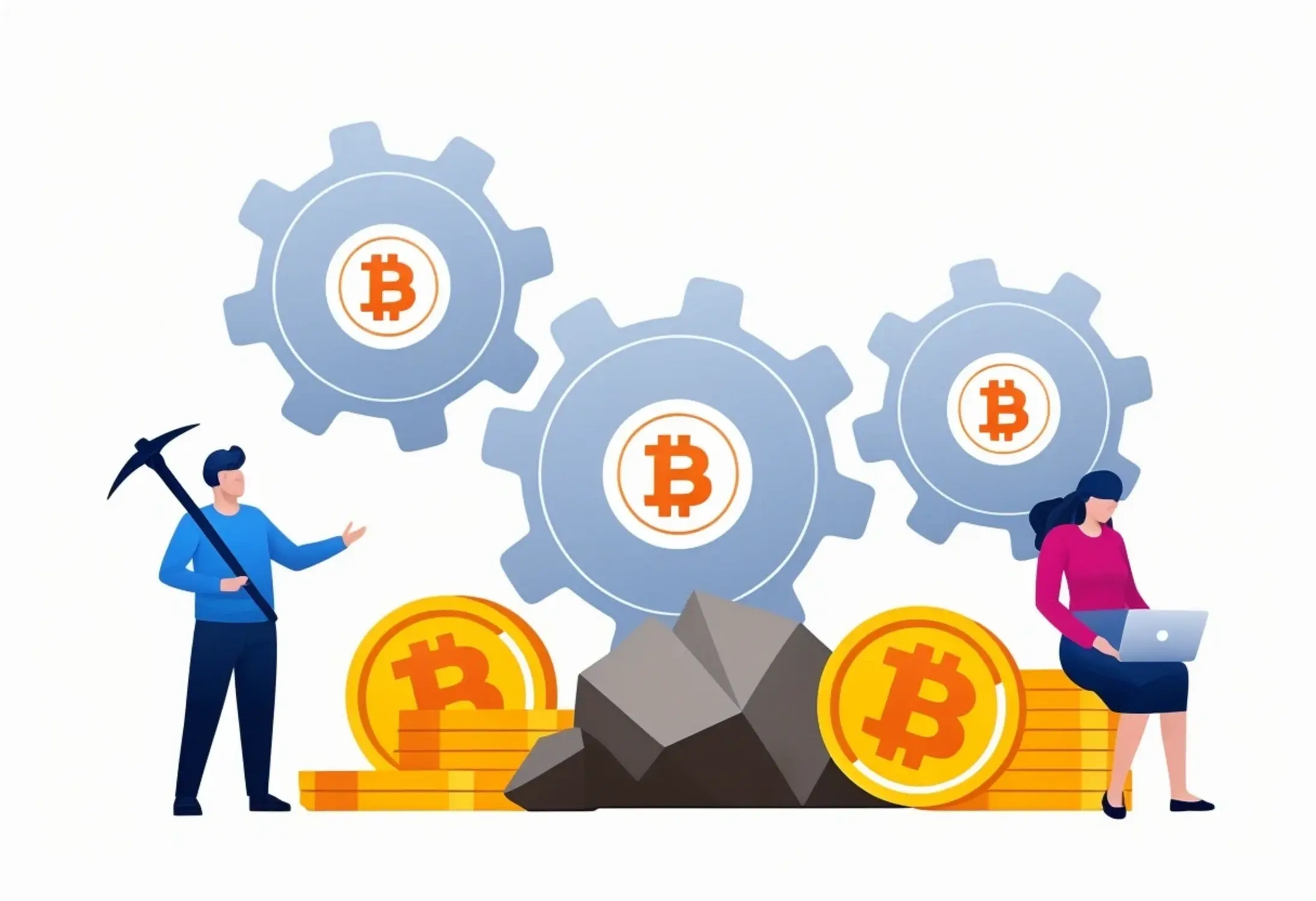


The shift towards the democratization of mining is critical for enhancing cryptocurrency accessibility, ensuring a trust-based system, and encouraging the growth of decentralized applications. It empowers communities and fosters widespread participation in the blockchain ecosystem.
Importance of Democratization of Mining
Democratization of mining refers to making cryptocurrency mining accessible to a broader audience, effectively shifting the mining landscape. This shift is pivotal for the blockchain ecosystem, as it promotes inclusivity and fairness. When mining processes are accessible, more individuals can partake in cryptocurrency, leading to enhanced cryptocurrency accessibility. As mining hardware becomes affordable and user-friendly, diverse demographics can engage with blockchain technology beyond mere investment.
Furthermore, a democratized mining process instills a sense of community ownership. A community-oriented approach ensures a more equitable distribution of rewards, fostering a trust-based system that is essential for long-term stability. As industry experts note, community-driven initiatives play a crucial role in establishing a resilient mining environment.
Current Challenges in Cryptocurrency Mining
Despite the growing interest in cryptocurrency, various barriers hinder accessibility in mining. One significant challenge is the dominance of centralized mining operations, which concentrate power and wealth in the hands of a few. These centralized entities often lack transparency, leading to significant trust issues among users. This problem underlines the importance of democratization of mining, which can break these monopolies.
Additionally, the traditional mining process is heavily energy-intensive, contributing to environmental concerns. As communities grapple with climate change, the perception of mining as unenvironmentally friendly can deter potential miners. For instance, mining operations powered by fossil fuels are being criticized for their carbon footprint, as mentioned by Forbes. Thus, addressing these challenges is crucial for paving the way towards a more inclusive future.
The Role of Decentralized Applications
Decentralized applications (dApps) are vital in promoting the democratization of mining. They allow users to participate in blockchain networks without needing extensive technical knowledge or investment in specialized hardware. For example, dApps such as those developed by the Pi Network enable miners to contribute using just mobile devices, simplifying participation.
These applications foster community growth by creating environments where users can share information and collaborate. By making mining accessible through innovative platforms, user participation rises, enhancing overall trust within the network. As communities grow, they not only gain strength but can also advocate for more equitable mining practices. In fact, the Pi Network exemplifies how these applications facilitate easy user engagement while promoting fairness in rewards distribution.
Insights from the Pi Network’s Approach
The Pi Network provides an illuminating case study on democratization through its unique mining model. Users can mine the Pi coin using a mobile app, allowing individuals to participate without using energy-intensive hardware. This approach not only enhances accessibility but works within a trust-based system, where users earn rewards simply by engaging with the app.
According to recent reports, the Pi Network’s user base grew remarkably, signaling strong community engagement. As of March 2022, it boasted around 33 million users. The connection between community growth and accessibility is paramount; as more individuals mine Pi coins, the network strengthens and becomes more resilient, demonstrating a successful model for democratized mining.

Strategies for Enhancing Mining Accessibility
To further encourage the democratization of mining, several actionable strategies can be pursued:
– Develop user-friendly applications that simplify the mining process.
– Promote educational resources that help new miners understand blockchain technology and its potential.
– Establish community initiatives that support new miners, offering mentoring and networking opportunities.
These strategies target various aspects of accessibility, helping to lower barriers to entry. Empowering communities and encouraging collaboration is essential for fostering a thriving ecosystem where all miners feel valued.
Future Trends in Blockchain Mining
The future of blockchain mining is expected to evolve significantly due to ongoing efforts towards democratization. Anticipated changes may include:
– Increased adoption of mobile mining applications.
– Enhanced focus on sustainability and eco-friendly mining practices.
– Community-driven initiatives that continually reshape the mining landscape.
Furthermore, balancing decentralization with security remains crucial. As blockchain technology evolves, maintaining a secure yet accessible environment is paramount. In summary, the democratization of mining not only enhances cryptocurrency accessibility but also props up a more equitable and community-driven future within the blockchain space.