
Today’s economic climate is defined by divergent consumer behaviors influenced by inflation, underscoring the dynamics of a K-shaped economy. Understanding these patterns is essential for businesses and consumers alike as they navigate an increasingly complex landscape.
Exploring the Dynamics of a K-Shaped Economy
The K-shaped economy model illustrates how different segments of society experience economic recovery unevenly. While higher-income households are thriving, lower-income groups struggle to regain financial stability. Recent reports highlight that consumer spending from the top third of income distribution rose 4% over the prior year in November, reflecting a significant disparity in recovery rates as noted by various analysts.
Inflation plays a crucial role in this divergence. Inflationary pressures disproportionately affect lower-income households that spend a larger portion of their income on essentials, such as food and housing. As prices rise, these households find it increasingly challenging to maintain their living standards. Consequently, this economic model accentuates the growing gap between rich and poor, with higher-income groups having more resilience against inflation.
Impacts of Inflation on Consumer Spending Patterns
Rising inflation is dramatically changing consumer spending patterns across various demographics. As inflation reaches levels not seen in decades, consumers are re-evaluating their spending habits. Higher prices compel many to prioritize necessities over discretionary spending. For instance, many households have shifted spending towards value retail chains, which indicates a notable impact on consumer choices.
Industries like luxury goods remain less affected, with affluent consumers continuing to indulge in high-priced items. However, essential services such as food and healthcare face sustained inflationary pressures, prompting consumers to adapt. A detailed examination of these trends reveals that sectors catering to lower-income consumers are experiencing a decline in sales, illustrating the stark contrast in spending based on economic status.
Divergence in Income Levels and Economic Recovery
The aftermath of the recent economic turmoil has highlighted the stark income disparities faced by different societal segments. Those in higher-income brackets have generally fared well, often benefitting from investments and discretionary spending capacity. In contrast, lower-income households have continued to struggle with the economic fallout, as many are still grappling with unemployment and wage stagnation.
Case studies involving retailers like Walmart and discount stores show that sales have been strong in these sectors, largely driven by varying consumer sentiment. While middle and high-income shoppers seek luxury items, lower-income consumers are more focused on affordability. This pressure results in contrasting shopping behaviors as businesses adapt their strategies accordingly.
Consumer Sentiment Amidst Economic Uncertainty
Consumer sentiment is an important indicator of economic health and is particularly fascinating in the context of a K-shaped economy. Despite rising inflation, some regions, such as South Korea, showcase strong consumer confidence. The Bank of Korea reported a consumer sentiment index at 109.9 for December, illustrating resilience among South Korean consumers amid inflationary concerns. Economic growth forecasts predict a rise of 1% this year and 1.8% for 2024, suggesting a favorable outlook for consumer spending in that region—according to a recent report.
In contrast, the outlook in the U.S. is more troubled. Many Americans, facing inflation that dampens their purchasing power, express concerns about future employment stability. Indicators show a rising unemployment rate, expected to affect consumer sentiment adversely. This divergence in sentiment underlines the challenges businesses face as they strive to appeal to a varied consumer base.
Strategic Responses for Businesses in a K-Shaped Economy
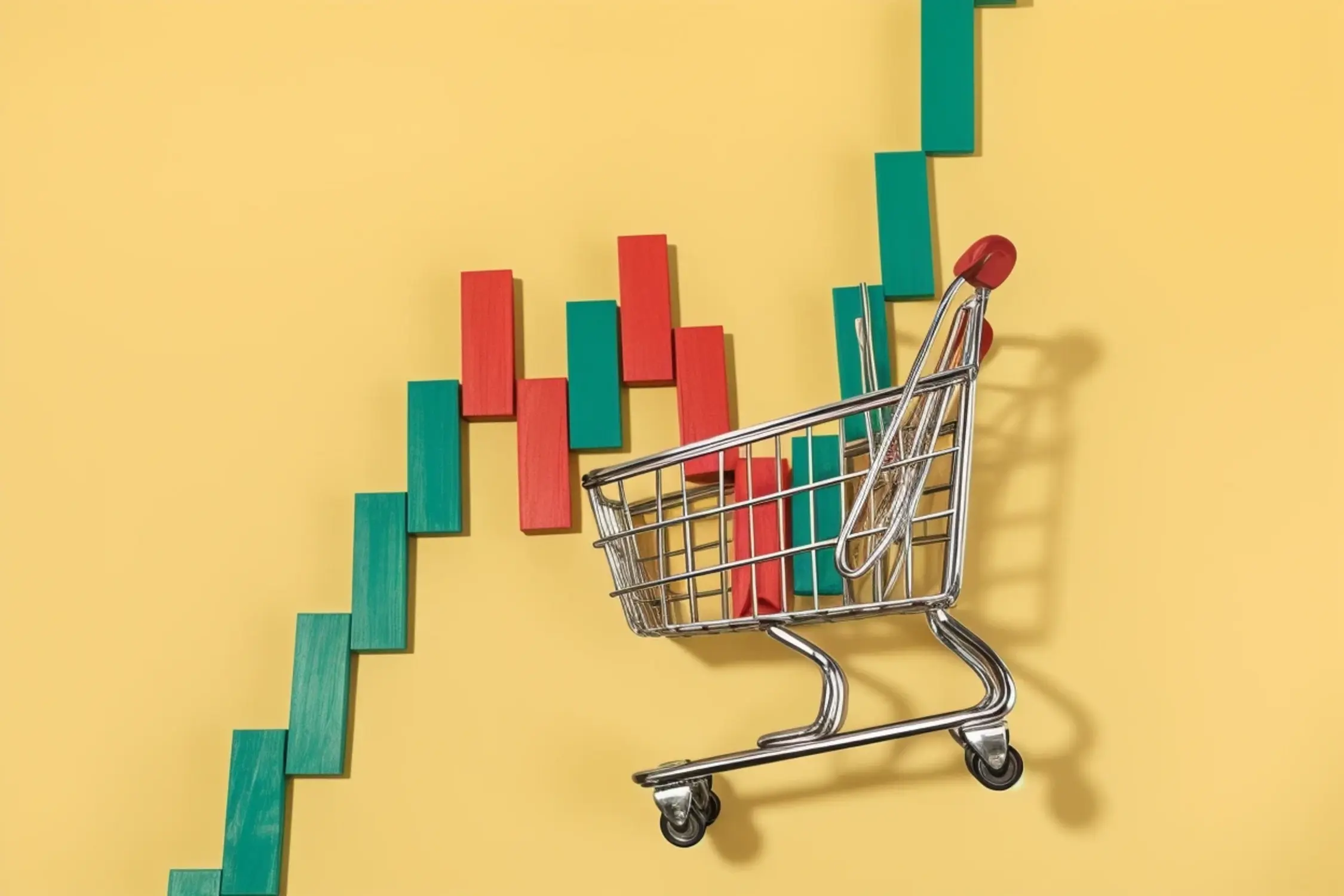
To thrive in the challenging K-shaped economy, businesses must adapt their strategies to resonate with diverse income brackets. Companies should prioritize understanding consumer behavior shifts by employing data analytics tools. By segmenting target markets based on their economic situations, businesses can tailor marketing strategies effectively.
Practices such as offering tiered pricing, product variations, and customer loyalty programs can cater to different income levels and enhance consumer engagement. Additionally, businesses that focus on community values and social responsibility are likely to resonate well. Engaging consumers through relatable narratives about affordability may lead to improved brand loyalty and customer retention over time.
The Future of the Crypto Market in a K-Shaped Economy
As inflation continues to influence traditional markets, the emerging crypto market poses interesting opportunities and challenges. Investors may increasingly view cryptocurrencies as a hedge against inflation, creating a surge in interest. This shift indicates a pivot in consumer behavior where digital currencies become more integrated into everyday financial transactions.
Understanding consumer perceptions regarding cryptocurrencies is crucial as they navigate the unstable financial landscape. The crypto market’s adaptability may offer resilience during economic downturns, attracting consumers looking for alternatives in a K-shaped recovery.
Actionable Insights for Navigating Inflationary Trends
Navigating through times of inflation requires proactive strategies for both consumers and investors. For consumers, budgeting effectively and prioritizing essential purchases can mitigate the impacts of rising prices. Utilizing price comparison tools and seeking out discounts can help stretch limited funds further.
For investors, adjusting strategies to account for volatile market conditions is vital. Diversifying portfolios and considering inflation-resistant assets can enhance financial resilience. Lastly, businesses should continue to leverage analytics to foster adaptability and resilience, ensuring they meet the demands of their evolving customer base. As the economic landscape continues to change, staying informed and responsive will ultimately define success in this K-shaped economy.