
The rise of a crypto economy is being accelerated by the geopolitical reality of sanctions evasion. This shift not only reflects changing market sentiments but also influences global financial systems. Understanding this dynamic is crucial for anyone interested in the evolving landscape of digital currencies.
Importance of Awareness in the Crypto Economy
The ramifications of sanctions evasion have profound implications for global economies. As nations impose stricter economic restrictions, entities often turn to digital currencies to bypass these limitations. This trend signals a need for awareness among investors; being informed about current geopolitical events helps in making educated investment decisions in the crypto economy. The growth of this sector is increasingly linked to illicit activities driven by state actors, who rely on cryptocurrencies to obscure financial transactions and protect against economic isolation.
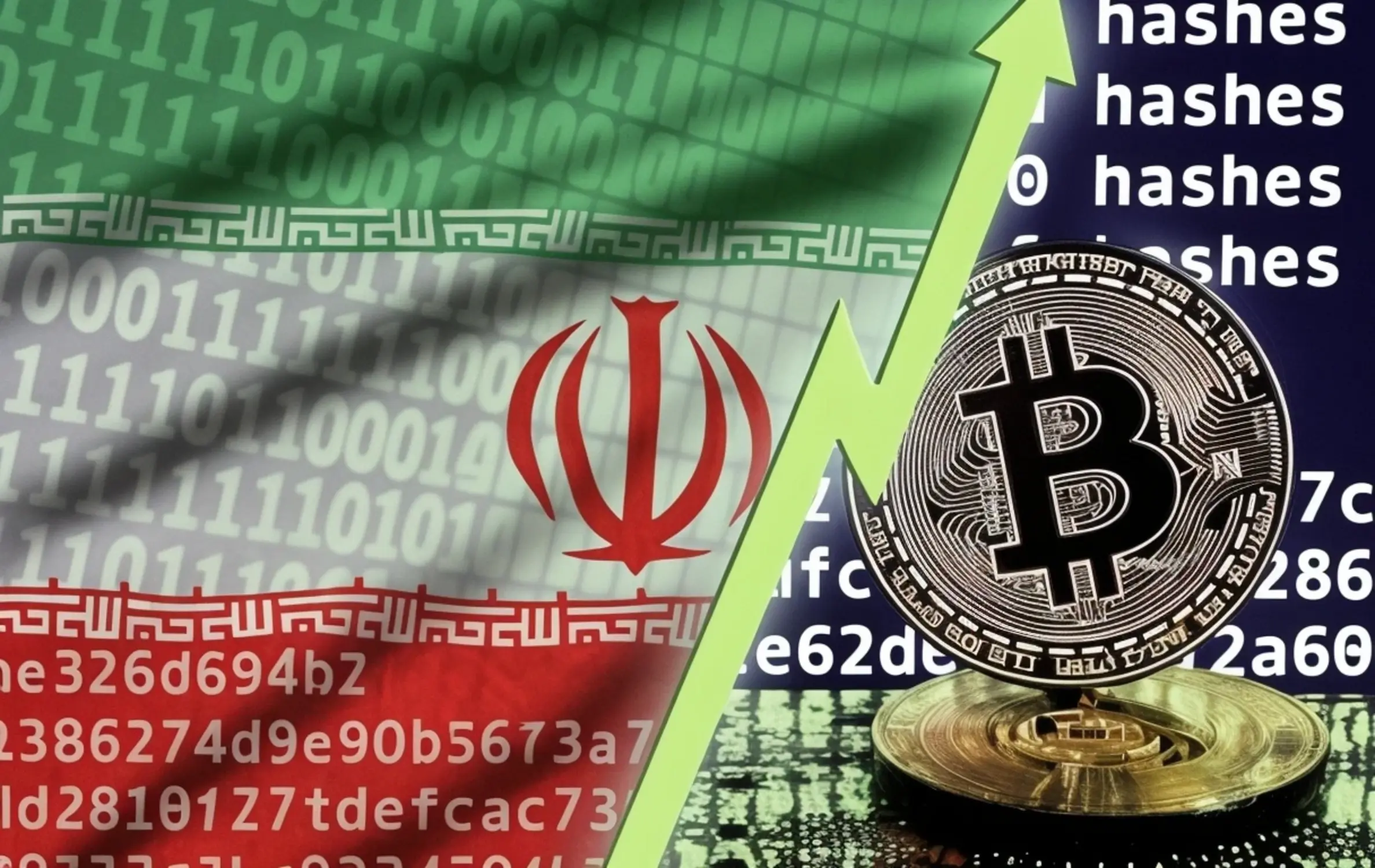
According to a recent report, both Russia and Iran are actively engaging in crypto activities to facilitate sanctions evasion. Their approaches demonstrate how awareness of geopolitical tensions can significantly inform an individual’s or organization’s investment strategies. The crypto economy’s growth appears closely tied to these illicit activities, highlighting the interconnectedness of political dynamics and technological innovations in finance.
Current Surge in Crypto Transactions
A significant surge in cryptocurrency transactions has been observed, particularly those associated with sanctioned entities. According to data from a Chainalysis report, sanctioned countries received at least $104 billion in cryptocurrency in 2025, marking a nearly eightfold increase from the previous year. This massive influx showcases a growing reliance on digital currencies amidst tightening sanctions.
Stablecoins have emerged as the dominant method for these transactions, making up about 84% of illicit crypto transaction volume. The appeal of stablecoins lies in their ability to maintain value despite fluctuating market conditions, providing a safe harbor for sanctioned states looking to transact without drawing undue attention. As the world increasingly moves toward a digital finance model, such trends highlight the potency of cryptocurrencies in circumventing traditional financial barriers.
Geopolitical Events Shaping the Crypto Landscape
Geopolitical events significantly mold the crypto landscape today. Heightened global tensions push countries like Russia and Iran to explore and engage more deeply in cryptocurrency markets. As these nations navigate their economic realities, the intersection of crypto trends with international sanctions becomes increasingly evident. Countries under sanctions often turn to digital currencies to ensure their economic survival and maintain international transactions.
This chaotic mixture of international policy and crypto assets leads to a noticeable shift in how nations deal with their financial activities. The ongoing reliance on cryptocurrencies allows state actors to operate outside traditional financial systems, making it essential for investors to track these geopolitical developments closely. By understanding how such events reshape the crypto economy, investors can better anticipate market movements and identify emerging opportunities.
Analyzing Market Sentiment Around Crypto
Market sentiment around cryptocurrencies is closely intertwined with geopolitical unrest. As countries face increasing sanctions, public perception of digital currencies shifts, often viewing them as viable financial solutions in a restrictive environment. Reports indicate that during periods of heightened tension, there is a notable uptick in interest and demand for cryptocurrency among both individuals and organizations seeking stability in their assets.
The role of cryptocurrency as a lifeline during economic distress cannot be understated. Many investors now see digital currencies as a hedge against traditional financial disruptions. Tracking this evolution in public sentiment helps stakeholders navigate the complexities of the crypto economy effectively. The increasing acceptance and adoption of virtual currencies pave the way for a robust future in financial technologies and illustrate the flexibility these assets provide amidst changing geopolitical landscapes.

Stablecoins and Their Growing Role
Stablecoins are rapidly becoming the preferred choice for transactions within the crypto economy, particularly among sanctioned entities. These digital assets provide stability and liquidity, essential for moving large sums without the market volatility seen in other cryptocurrencies. The implications of stablecoin usage on the broader crypto economy are substantial, as they solidify their role as a haven for users facing economic isolation.
Considering that stablecoins currently account for a majority of illicit crypto transaction volume, regulators are starting to take notice. As the Chainalysis report suggests, this trend is likely to force discussions around regulatory frameworks governing stablecoins, particularly as their usage expands. Future considerations regarding the regulatory landscape will be critical for shaping the crypto economy’s growth and mitigating the risks associated with sanctions evasion.
Strategies for Navigating the Crypto Economy
Investors looking to navigate this evolving crypto economy can adopt several practical strategies. First, diversifying portfolios within the digital asset realm is crucial, especially as geopolitical events can trigger rapid market shifts. Keeping an eye on international developments will provide insights into market trends and help investors make informed decisions.
Additionally, leveraging knowledge of geopolitical trends can serve as a vital tool for trading strategies. Participants in the crypto economy must stay alert to changing dynamics and adjust their approaches accordingly. Understanding the nuances of this space will facilitate smarter investment decisions, enabling stakeholders to thrive in an increasingly complex financial environment, ultimately driving the future of the crypto economy forward.