
As Ethereum’s Layer 2 solutions take center stage, they offer cheaper transactions and enhanced scalability, creating ripples that could impact ETH’s valuation and the broader crypto market dynamics. Understanding this shift is essential for investors navigating today’s crypto landscape.
Implications of Layer 2 Solutions on Ethereum’s Market Position
Layer 2 networks are fundamentally reshaping Ethereum’s transaction volume landscape. As these solutions gain traction, they pull transaction activity away from the Ethereum mainnet. This shift raises critical questions about the sustainability of ETH’s market dominance. According to a recent analysis, Layer 2 networks now handle a significant share of Ethereum transactions, leading to concerns about the Ethereum mainnet’s future revenue from transaction fees.
The impact on transaction fees is also noteworthy. As usage of Layer 2 increases, fee income from mainnet transactions decreases. Lower overall ETH fees could lead to decreased ETH burning rates, creating further uncertainty about the token’s value and future growth potential. Moreover, competitors like Solana are ramping up their efforts, capturing the attention and market share that might have traditionally flowed to Ethereum.
Transaction Fee Trends and ETH Valuation Concerns
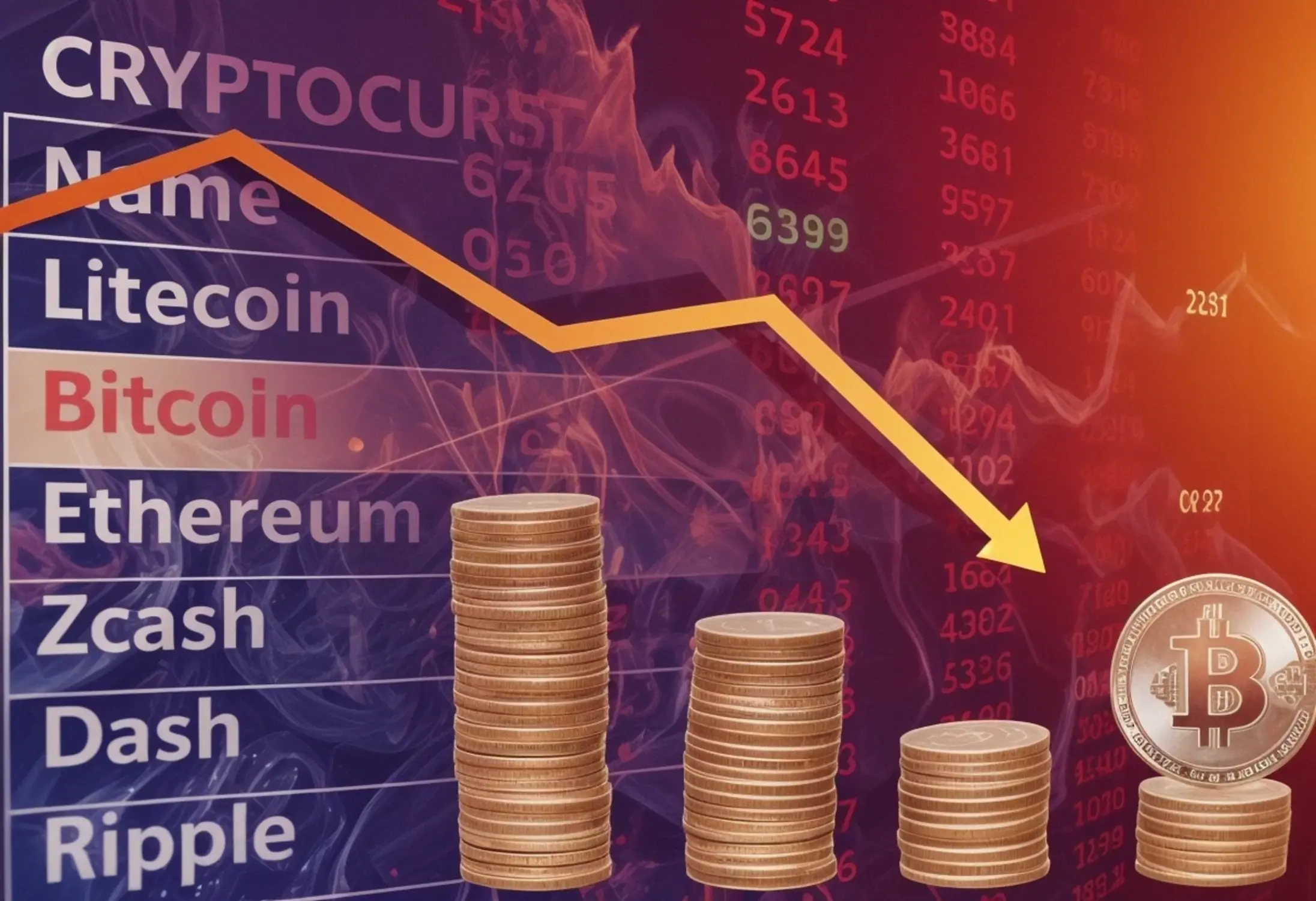
The current average transaction fees on Ethereum have plummeted to around $0.17, a massive drop from previous highs. This reduction in transaction fees directly influences how investors perceive ETH’s value. With cheaper fees, users may gravitate towards Layer 2 solutions, further diminishing the mainnet’s revenue and transaction value capture. This trend makes Ethereum less attractive to high-volume traders seeking low fees, consequently affecting overall ETH valuation.
As outlined by industry experts, the dynamics of these lower fees can sway investment decisions significantly. Investors may adopt an “out-of-sight, out-of-mind” stance regarding Ethereum’s mainnet, favoring Layer 2 platforms instead. Lower transaction costs can indeed lead to increased volume—but the question remains: Does this volume translate into value retention for ETH itself?
Vitalik Buterin’s Vision for Ethereum’s Future
Vitalik Buterin, Ethereum’s co-founder, has been vocal about the future of Ethereum amidst these innovations. He asserts that Ethereum has resolved the scalability trilemma, balancing decentralization, security, and speed through upcoming enhancements such as PeerDAS and ZK-EVMs. The advancements he mentions are aimed at fortifying Ethereum’s foundational ethos while harnessing technological evolution. As he states in a recent interview, “Ethereum with PeerDAS and ZK-EVMs, we get: decentralized, consensus and high bandwidth. The trilemma has been solved.”
However, Buterin cautions against drifting towards a speculative market driven by trends. He emphasizes the importance of sticking to Ethereum’s core principles amid competition and rapid technological advancements. The challenge lies in maintaining that vision while attracting users back to the Ethereum mainnet.
The Competitive Landscape: Ethereum vs. Other Blockchains
In the rapidly evolving blockchain ecosystem, Ethereum faces robust competition from other platforms like Solana. While Ethereum’s Layer 2 solutions improve scalability, they also create an environment where other blockchains can flourish. Users are becoming increasingly selective and drawn to blockchains offering better performance, typically characterized by lower transaction costs and faster transaction speeds.
Market trends indicate a noticeable shift in user preferences. As data suggests, Ethereum must find a way to not only retain its legacy user base but also attract new users who may be tempted by alternatives. Assessing how Ethereum’s Layer 2 solutions stack up against competitors is crucial; otherwise, Ethereum might risk losing a significant portion of its market share.
Understanding Ethereum Upgrades and Their Impact
The future trajectory of Ethereum hinges on the successful execution of major technical upgrades. These upgrades promise to improve transaction speed, lower fees, and bolster security—all vital for maintaining and attracting users. Upgrades such as PeerDAS and ZK-EVMs aim to strike a balance between decentralization and performance, ensuring Ethereum remains a frontrunner in the market.
Should these upgrades succeed, they could invigorate the Ethereum mainnet, drawing users back who might have shifted to Layer 2 solutions or rival blockchains. Consequently, understanding how these upgrades unfold will help investors gauge when to enter or expand their positions in ETH. Monitoring these developments is thus critical for anyone looking to navigate Ethereum’s path effectively.
Strategic Steps for Investors in the Evolving Crypto Market
For investors keeping an eye on Ethereum’s evolving landscape, strategic insights are vital. Regularly monitoring advancements in Layer 2 solutions and observing their impact on Ethereum’s valuation can deep-dive into informed investment strategies. Paying attention to transaction fee trends allows investors to assess potential investment risks and opportunities in real-time.
Additionally, understanding how Ethereum upgrades influence market sentiment can provide an edge. With Ethereum continuously attempting to retain its market share, investors should leverage these upgrades to strategize their investments carefully. Following shifts in ETH valuation and recognizing how the broader crypto market trends align with technological developments could be the key to savvy investing in the coming months.