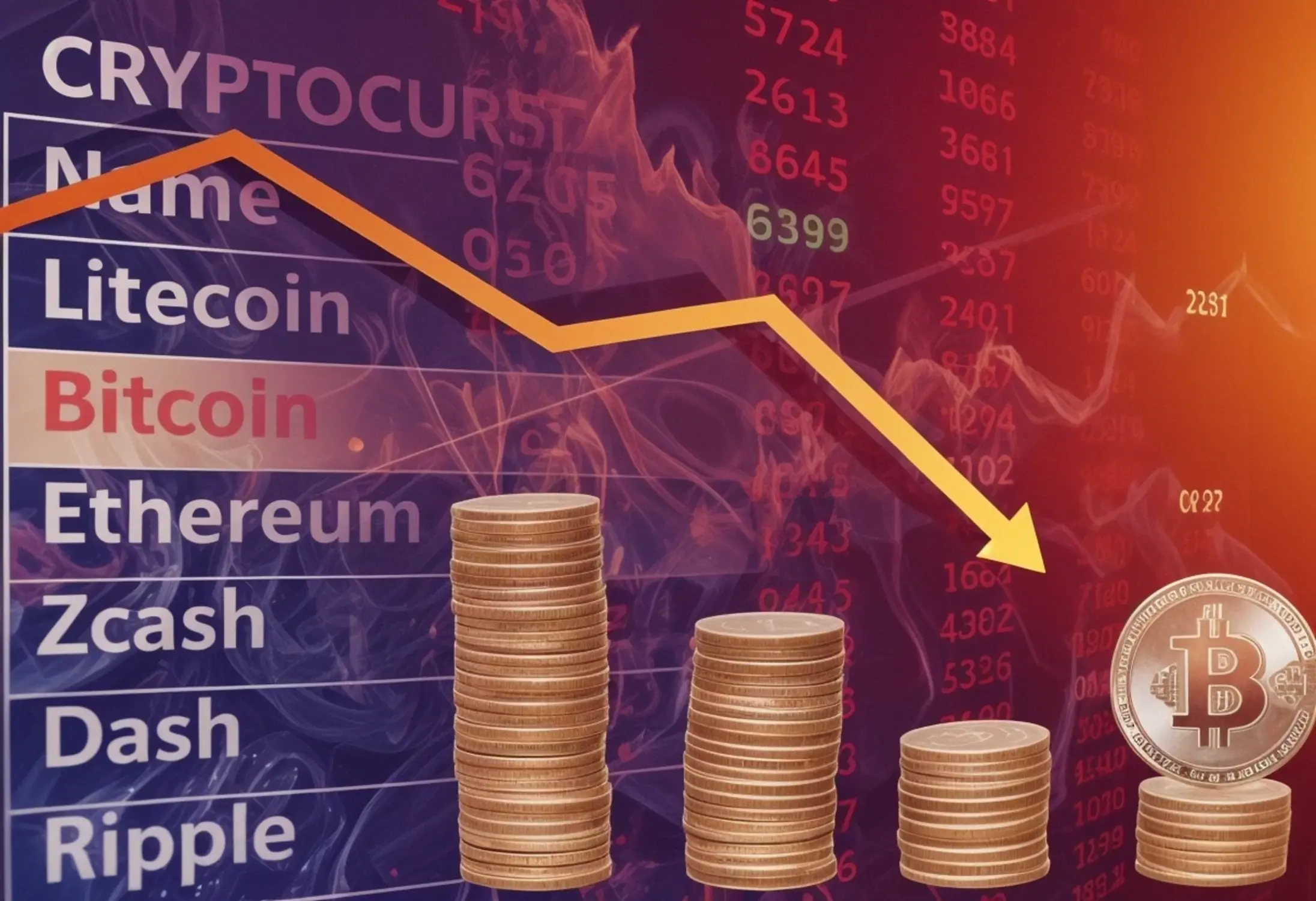


Bitcoin volatility has captured the attention of investors and economists alike, with its price fluctuations driven by various economic factors. Understanding these elements is crucial, especially now, as they have immediate implications for market participants navigating this unpredictable crypto landscape.
Key Drivers of Bitcoin Price Fluctuations
Bitcoin’s price is exceptionally volatile, influenced by several economic factors. One of the primary drivers is government policy changes. Regulatory shifts can either bolster confidence among investors or lead to panic selling. For instance, when authorities signal increased oversight of cryptocurrencies, it often results in significant price declines due to market anxiety about potential restrictions.
Additionally, market sentiment plays a critical role in determining Bitcoin prices. The emotional state of investors can swing from extreme optimism to pessimism, leading to rapid buying or selling. A study noted a correlation between mass media coverage and Bitcoin’s price movements, emphasizing how public perception can substantially impact market trends. Positive news can trigger rallies whereas negative news often results in sell-offs.
The Role of Cathie Wood in Crypto Markets
Cathie Wood has emerged as a notable figure in the cryptocurrency landscape. As the founder of ARK Invest, her insights often influence Bitcoin price predictions. Wood’s bold advocacy for Bitcoin and other cryptocurrencies is backed by her belief in their transformative potential for the financial system. This has garnered both admiration and skepticism in equal measure among investors.
Her investment strategies are frequently discussed in financial circles. For instance, Wood has argued that Bitcoin could reach significantly higher valuations, reflecting her long-term bullish outlook. As reflected in her recent interviews, she notes a lack of correlation between Bitcoin and traditional equities, suggesting that Bitcoin serves as a hedge against inflation. This perspective has drawn attention, prompting many investors to closely track her commentary and investment moves, particularly during times of heightened market stress, such as after significant price declines. As reported, her market insights can serve as a beacon for understanding impending price trends in the volatile world of cryptocurrencies.
Economic Indicators and Market Stress Levels
Various economic indicators significantly impact Bitcoin’s pricing. Metrics like unemployment rates, consumer spending, and inflation reports reflect the general health of the economy, which in turn influences investor behavior towards cryptocurrencies. When traditional markets face stress, such as during economic downturns or political instability, Bitcoin often faces increased volatility.
Market stress can manifest during crypto crashes when investors frantically liquidate positions to secure cash amid uncertainty. Indeed, heightened correlations between Bitcoin and traditional markets during crises show that as stocks fluctuate, so too can Bitcoin. A recent analysis suggested that Bitcoin’s movements could mirror those of equities during periods of extreme stress, affirming concerns that this crypto might not yet be a safe haven but behaves more like a speculative asset during turbulent times.
Recent Crypto Crashes and Their Aftermath
The cryptocurrency market has experienced notable crashes in recent years, with Bitcoin at the forefront. An analysis of recent downturns reveals that these events often stem from a confluence of factors ranging from macroeconomic trends to specific technological failures within the ecosystem. A significant crash in 2022 was largely attributed to widespread fear regarding the sustainability of crypto valuations, leading to mass sell-offs and exacerbated price declines.
Understanding the economic context surrounding these crashes is essential. Factors like rising inflation and interest rate hikes led many investors to reconsider their positions in high-volatility assets like Bitcoin. Lessons learned from these downturns highlight the importance of staying informed and cautious, emphasizing that timing and understanding economic signals can greatly influence investment success in the crypto markets.

Global Economic Conditions Affecting Bitcoin
Today’s global economic landscape is intricate, with various factors influencing Bitcoin prices. Inflation has become a pressing concern worldwide, leading many investors to view Bitcoin as a hedge. However, fears of a recession complicate this narrative. As economic forecasts shift, so do investor attitudes towards cryptocurrencies. When recession fears loom large, traditional investments often take precedence, leading to declines in crypto valuations.
Regulatory trends worldwide also shape investor behavior towards Bitcoin. Countries implementing stricter regulations can sway market confidence, either hindering growth or prompting investors to seek alternative avenues for wealth preservation. As noted in financial analyses, the evolving regulatory landscape is crucial for understanding future Bitcoin valuation as it plays into perceived legitimacy and acceptance among mainstream finance.
Strategies for Navigating Bitcoin Volatility
Investors facing Bitcoin volatility can benefit from specific strategies tailored to the unique characteristics of the crypto market. One effective approach is employing risk management techniques, such as setting stop-loss orders, which can help mitigate losses during sharp price swings. Understanding the nature of Bitcoin’s volatility allows investors to calculate entry and exit points more effectively.
Moreover, conducting thorough market research is vital. Staying informed about macroeconomic indicators and market sentiment can provide insights into potential price movements. Regularly digesting market analysis and expert opinions, such as those provided by Cathie Wood, can prepare investors to react more strategically in volatile situations. Emphasizing a flexible approach, where decisions are informed by both market data and emotional discipline, will be crucial for navigating the unpredictable waters of Bitcoin volatility.