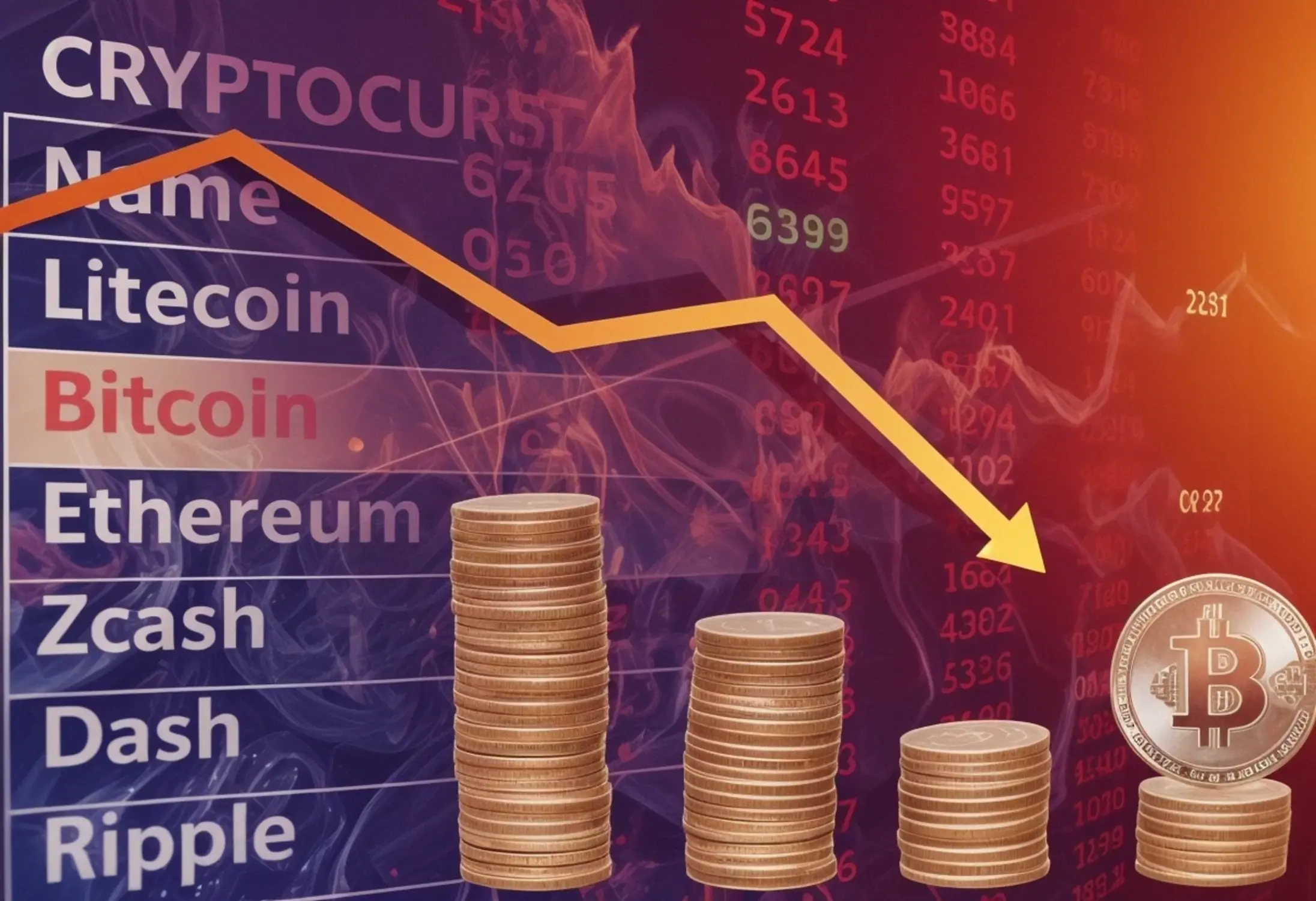


The recent fluctuations in Bitcoin price have captured widespread attention, emphasizing the critical factors that are driving crypto market volatility. Understanding these dynamics is essential for investors and enthusiasts alike, as they reveal potential trends and strategies for navigating Bitcoin’s future amid uncertainty.
Understanding the Impact of Bitcoin Price Fluctuations
Bitcoin has experienced notable price movements since its inception, serving as a barometer for the wider crypto market. Historical data shows that Bitcoin price fluctuations are often tied to major events, ranging from regulatory news to technological advancements. For instance, a surge in adoption can lead to rapid price increases, while significant regulatory announcements may trigger sharp declines. A common psychological pattern observed in investors is the FOMO (Fear of Missing Out), which tends to inflate prices during bullish markets. Conversely, during bearish phases, panic selling leads to drastic drops in value.
External factors also play a crucial role in shaping Bitcoin’s price. Economic instability, inflation concerns, and geopolitical tension can influence investors’ perceptions of Bitcoin as a risk asset or a safe haven. As the Korea Times notes, incidents relating to security breaches or market manipulation can significantly impact investor confidence, further driving fluctuations in the Bitcoin price.
Current State of Crypto Market Volatility
Recent events have further exacerbated the current state of crypto market volatility. Factors such as high inflation rates, regulatory scrutiny, and macroeconomic uncertainties have created a turbulent environment for Bitcoin. The severity of the crypto market’s fluctuations can be seen in the daily trading volumes, which currently reach billions. According to Yahoo Finance, Bitcoin witnessed a volatile period with significant price corrections, highlighting the fragility of investor confidence.
Major institutions have also been influential in these fluctuations, either by entering or exiting their positions in Bitcoin and other cryptocurrencies. Institutional investors can sway the market, evidenced by their reactions to Fed policies and economic forecasts. Their involvement often leads to wider price swings, making it crucial for investors to remain alert to institutional patterns and market sentiments.
Sentiment Analysis: Bearish vs. Bullish Perspectives
The crypto community remains divided on Bitcoin’s long-term value. On the one hand, gloom-laden perspectives highlight concerns from notable figures like Peter Schiff, who claims that Bitcoin lacks intrinsic value and could even fall to zero, stating, “Every time I ask a Bitcoin true believer to explain why they think it has any long-term value… I come away more certain that Bitcoin has no long-term value”. On the other hand, proponents like Michael Saylor and Cathie Wood express unyielding optimism, arguing that Bitcoin will emerge as a significant player in a future digital economy. The diverging views underscore how sentiment can shape market trends and investor behavior.
Public sentiment is a potent indicator of potential market movements. Following positive news, such as increased adoption or favorable legislative developments, prices can surge quickly. Conversely, negative headlines can trigger rapid sell-offs. Thus, tracking public perception is fundamental for predicting Bitcoin price fluctuations.
Influence of Public Figures on Market Predictions
Public figures and industry leaders possess the ability to influence market predictions dramatically. Some of these representatives offer forecasts that can sway investor sentiment dramatically. For example, ARK Invest predicts that the cryptocurrency market could expand at an astounding 61% compound annual growth rate, suggesting optimism remains within some segments of the market despite skepticism. However, skepticism remains, as critics challenge Bitcoin’s utility and its capacity to serve as a hedge against inflation. According to recent reports, commentators have raised concerns regarding Bitcoin’s sustainability as a long-term investment.
Media narratives, particularly around key events or perspectives, can fuel or dampen investor enthusiasm. When influential voices back Bitcoin’s potential, it often leads to bullish behavior among retail investors, while criticism can promote a bearish outlook.
Investment Strategies in a Volatile Market
Investing in a volatile market such as cryptocurrency requires strategic planning and risk management. One effective strategy is to adopt a diversified portfolio that includes Bitcoin alongside other crypto assets. This reduces the risk associated with an individual asset’s price fluctuations. Moreover, employing dollar-cost averaging can help mitigate the impact of volatility, as investing consistently over time allows investors to purchase at varying price points.
Staying informed about market developments is crucial. Investors should follow market trends, technical analyses, and expert opinions to make educated decisions. Risk management techniques include setting stop-loss orders to limit potential losses during sudden market downturns. Additionally, maintaining a long-term perspective amid short-term volatility helps investors remain grounded.
Future Outlook: Bitcoin Price Predictions
Emerging trends suggest that Bitcoin may navigate through cycles of volatility with the potential for growth. Analysts highlight that technological advancements, such as improved blockchain scalability and enhancements in transaction security, will play a critical role in Bitcoin’s future valuation. Additionally, increased regulatory clarity could foster institutional investment, further legitimizing Bitcoin as a viable asset class.
The potential for cryptocurrencies, including Bitcoin, could facilitate widespread adoption, boosting price predictions in the coming years. With companies exploring blockchain applications, Bitcoin could emerge as a cornerstone of a new digital economy, positively affecting its price trajectory. Although uncertainty persists, the underlying trends indicate that Bitcoin could still thrive despite current fluctuations.
Adapting to Market Trends for Better Investments
Flexibility in investment strategies is essential when navigating the unpredictable nature of the crypto market. Utilizing tools and resources to track Bitcoin price movements can provide insights into market trends, enabling investors to adjust their positions as necessary. Moreover, it is vital to remain open to adapting strategies, as the market dynamic shifts with ongoing developments.
Investors should apply patience and focus on long-term goals rather than becoming preoccupied with daily price movements. As history has shown, Bitcoin has a tendency to recover from significant downturns, making it crucial to keep a long-term perspective amid short-term volatility. Maintaining an informed and strategic approach will help investors weather the storms of Bitcoin’s price fluctuations effectively.