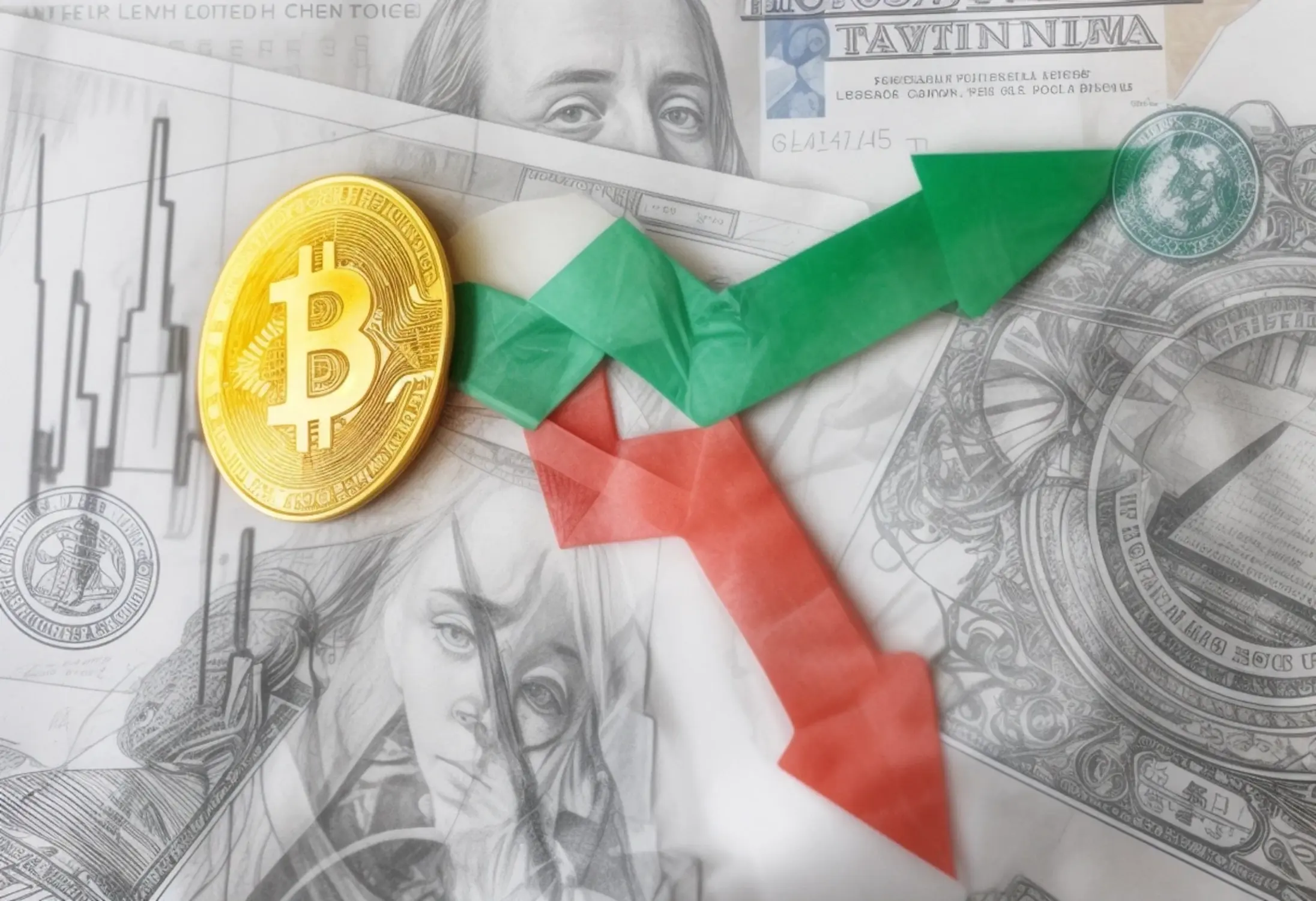

The intersection between finance and personal connections is more crucial than ever, especially in the crypto economy. As market volatility reigns, understanding figures like Howard Lutnick and the implications of his ties to Tether can reveal significant trends and investment opportunities.
The Stakes of Tether in the Crypto Economy
Tether has positioned itself as the foremost stablecoin in the cryptocurrency sphere, acting as a bridge between traditional fiat currency and digital assets. Tether’s purported backing of $122 billion in U.S. Treasury bills should inspire confidence, yet skepticism lingers, especially in light of market volatility. Howard Lutnick’s connections to Tether highlight pivotal issues regarding stability in a fluctuating crypto economy. As Tether’s stability is often questioned, it creates a direct correlation with the crypto trends affecting everyday investors, making Lutnick’s influential role all the more significant. The crux of the problem lies in the fact that Tether’s reassurance of stability does not entirely align with its operational transparency, leading to substantial public concern and speculation in times of market turbulence.
Howard Lutnick’s Controversial Relationships
Understanding Howard Lutnick requires delving into his controversial history, especially his associations with figures like Jeffrey Epstein. Recent investigations question how Lutnick’s connections impact public perception of Tether. During a Senate hearing, Lutnick acknowledged his relationship with Epstein, which included a notable visit to Epstein’s island in 2012, raising eyebrows about trust in his affiliations. Such ties contribute to a climate of uncertainty surrounding Tether, further complicating perceptions of integrity within the crypto economy (Gizmodo). Given Tether’s centrality in crypto transactions, these associations can ripple out, affecting investor confidence across the board. Lutnick’s assertion that “Tether should be audited” underlines the urgency for greater scrutiny in an environment that thrives on transparency (Gizmodo).
Market Volatility and Its Ripple Effects
Currently, the world of cryptocurrencies is grappling with significant market volatility. Recent events indicate that when Tether experiences fluctuations, it triggers a domino effect on various cryptocurrencies. This relationship holds critical implications for investors. For instance, when Bitcoin prices drop significantly, as noted in recent reports, Tether’s role as a currency of choice for transactions becomes a litmus test for overall market sentiment. Investors often find themselves navigating sudden price swings, which can lead to opportunistic investments or panic selling. Thus, understanding the interconnectedness of Tether and general market behavior can provide keen insights into developing effective investment strategies amidst ongoing volatility.

Lack of Audit: A Major Concern
Tether’s lack of transparency is another critical issue that weighs heavily on its credibility. The ongoing discussions about the need for frequent audits bring to light how essential such measures are for maintaining trust in the crypto economy. Tether’s statement claiming to be backed by over $122 billion invites scrutiny, particularly when the lack of regular audits raises alarms about its financial integrity. Industry experts underscore that regulatory bodies must prioritize oversight for cryptocurrencies to foster a secure environment for investors (Gizmodo). If Tether continues without proper checks, it could engender further instability, creating a precarious landscape for all who engage in the crypto market.
Investment Opportunities Amidst Uncertainty
Despite the unpredictable nature of cryptocurrencies, investment opportunities still abound. Savvy investors can undertake strategies that emphasize diversification, considering alternative cryptocurrencies that exhibit steadier growth than Tether or Bitcoin. For example, identifying coins with established use cases can shield investments from the volatile swings typical of the market. Additionally, investors might explore leveraging decentralized finance (DeFi) platforms that can provide more resilient yields. In this climate of uncertainty, navigating the crypto landscape requires acumen and strategic foresight to identify safe havens that might offer relief from the prevalent instability.
The Regulatory Landscape Shaping Crypto Trends
As we delve deeper into the crypto economy, regulatory challenges continue to evolve, significantly impacting entities like Tether. Governments around the world are tightening their grip on cryptocurrencies, leading to enhanced oversight aimed at protecting investors. These regulatory frameworks aim to address issues stemming from the lack of audit and transparency that currently shroud Tether. Predictions suggest that upcoming changes could reshape not only Tether but the broader landscape of crypto trends. Industry analysts speculate a balance must be struck between innovation and regulation, as governments recognize the potential but also the risks associated with decentralization and cryptocurrency (Bloomberg). With growing governmental scrutiny, investors must stay vigilant to adjust their strategies accordingly as the rules governing this rapidly changing environment become clearer.