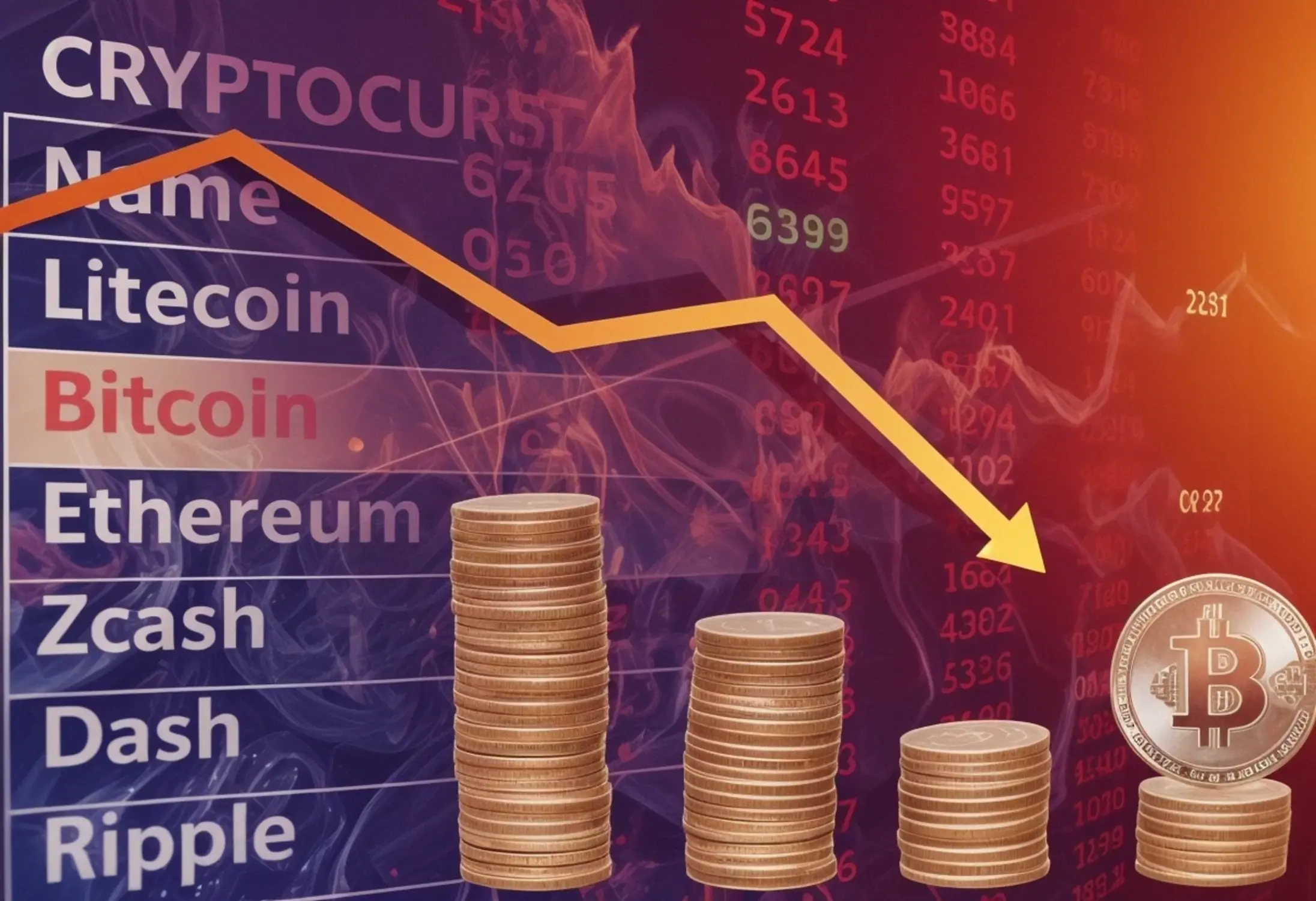


Cryptocurrency crashes present unique challenges and opportunities for investors today. Understanding the psychological factors and broader economic trends can enhance strategies and prepare investors for recovery phases amid volatility. Here’s why it’s crucial to navigate these fluctuations effectively.
Common Misconceptions About Cryptocurrency Crashes
Many investors often misinterpret market data during cryptocurrency crashes. This misinterpretation can stem from emotional reactions, leading to hasty decisions that exacerbate losses. For instance, the panic of falling prices might compel an investor to sell at a loss, a move they would later regret. Understanding investor psychology is critical to avoiding these pitfalls.
Research consistently shows that historical data reveals patterns in investor behavior during crises. According to recent reports, many investors tend to react based on fear rather than rational analysis. By studying these reactions, investors can better prepare for, and navigate, future crashes. Recognizing these patterns not only aids in decision-making but also enhances long-term investment strategies.
The Impact of Financial Trends on Cryptocurrency
Current financial trends significantly shape cryptocurrency market behavior and investor confidence. For example, shifts in traditional stocks often ripple through the cryptocurrency space. Investors commonly look to traditional markets as indicators of economic health, influencing their crypto investments. A downturn in the stock market may lead investors to withdraw from cryptocurrencies, driven by the perception of increased risk.
Cross-examination of market responses during previous economic downturns shows that traditional financial turbulence often correlates with similar movements in cryptocurrency markets. During the 2008 financial crisis, for instance, many investors gravitated towards cash and traditional investments, neglecting the burgeoning cryptocurrency market. This behavior reinforces the importance of assessing how stocks and crypto interrelate, as their dynamics can greatly impact investment decisions.
Investment Strategies for Navigating Crashes
To effectively manage risk during cryptocurrency downturns, investors must adopt strategic diversification between cryptocurrencies and traditional stocks. This strategy helps mitigate losses and protect portfolios from extreme volatility. Employing a well-rounded investment strategy may involve allocating specific percentages of a portfolio to various asset classes. For example, setting aside 60% in traditional stocks and 40% in cryptocurrencies could provide a buffer during market crashes.
Real-life examples illustrate successful recovery strategies in the crypto space. Investors who maintained their positions during downturns, rather than selling hurriedly, often found themselves better off as markets recovered. Historical evidence shows that patience in holding assets can yield significant returns post-crash, emphasizing the essence of a well-structured investment plan tailored to withstand volatility.
Recovery Patterns in the Cryptocurrency Market
Analyzing historical recovery trends following cryptocurrency crashes provides valuable insights for investors. Crashes are often followed by a period of correction, where prices stabilize and begin to rise again. Factors influencing this recovery include market sentiment, technological advancements, and external economic conditions. The speed and sustainability of these recoveries vary but have demonstrated consistent patterns.
For example, the recovery after the 2017 Bitcoin crash showed resilience, with prices rebounding significantly within a year. Such recovery patterns serve as indicators that investing during market dips may offer lucrative opportunities. Investors who recognize these trends can align their strategies accordingly, utilizing past recoveries to inform future investments. Being aware of these historical patterns can sharpen decision-making and enhance the chances of realizing profitable returns.

The Role of the Energy Sector in Cryptocurrency Stability
The energy sector plays a critical role in maintaining cryptocurrency stability, particularly concerning mining operations. As energy consumption becomes an increasingly important topic, the sustainability trends within the crypto industry have gained media attention. Highlighting innovations from the energy sector can stabilize cryptocurrency markets by reducing the environmental impacts and enhancing operational efficiencies.
Recent discussions around energy-efficient mining technologies have suggested that adopting sustainable practices could positively influence cryptocurrency’s public perception and regulatory environment. Implementing such changes may encourage investor confidence, a crucial aspect during periods of volatility. Innovations, such as renewable energy sources for mining operations, could serve as a game changer for the industry, potentially creating a more stable investment environment.
Preparing for Future Cryptocurrency Volatility
Anticipating and reacting to market changes requires an active and informed approach. Investors must maintain agility in their strategies, learning continuously to adapt to evolving financial trends. Engaging with educational resources and market analyses can enhance understanding, equipping investors with the knowledge needed to manage risks effectively.
Moreover, as volatility in the cryptocurrency market becomes more pronounced, staying updated with trends and news is essential. Investing in platforms offering real-time analytics and data can empower investors to make evidence-based decisions. Consequently, this proactive approach enhances investors’ abilities to respond to changes dynamically, ultimately aiding in capital preservation and growth.
In summary, navigating the complexities of cryptocurrency crashes requires understanding misconceptions, adapting investment strategies, recognizing recovery patterns, addressing energy sector dynamics, and preparing for future volatility. By embracing these practices, investors can enhance their resilience against market fluctuations and optimize their investment outcomes.