
As the digital finance landscape evolves, io.net’s collaboration with Wondera AI signals a transformative shift in GPU computing. This partnership harnesses decentralized technologies, potentially enhancing the utility of $IO tokens while driving innovation and efficiency in the industry.
Shifting Paradigms in Tokenomics and GPU Demand
The partnership between io.net and Wondera AI marks a significant pivot towards a demand-driven model. By focusing on decentralized GPU resources, io.net aims to address the increasing demand for efficient computing solutions. Such a shift is crucial as the overall appetite for GPU power in sectors like artificial intelligence and blockchain grows substantially. The anticipated overhaul of tokenomics could directly impact the value of the $IO token, as strategies to reduce circulating supply will likely enhance its scarcity and attractiveness to investors. A target reduction of 50% in circulating tokens by Q2 2026 demonstrates a commitment to sustainable economic dynamics within the ecosystem, combating inflationary pressures and promising price stability in the future as stated in a recent report.
Real-World Applications of AI and Decentralization
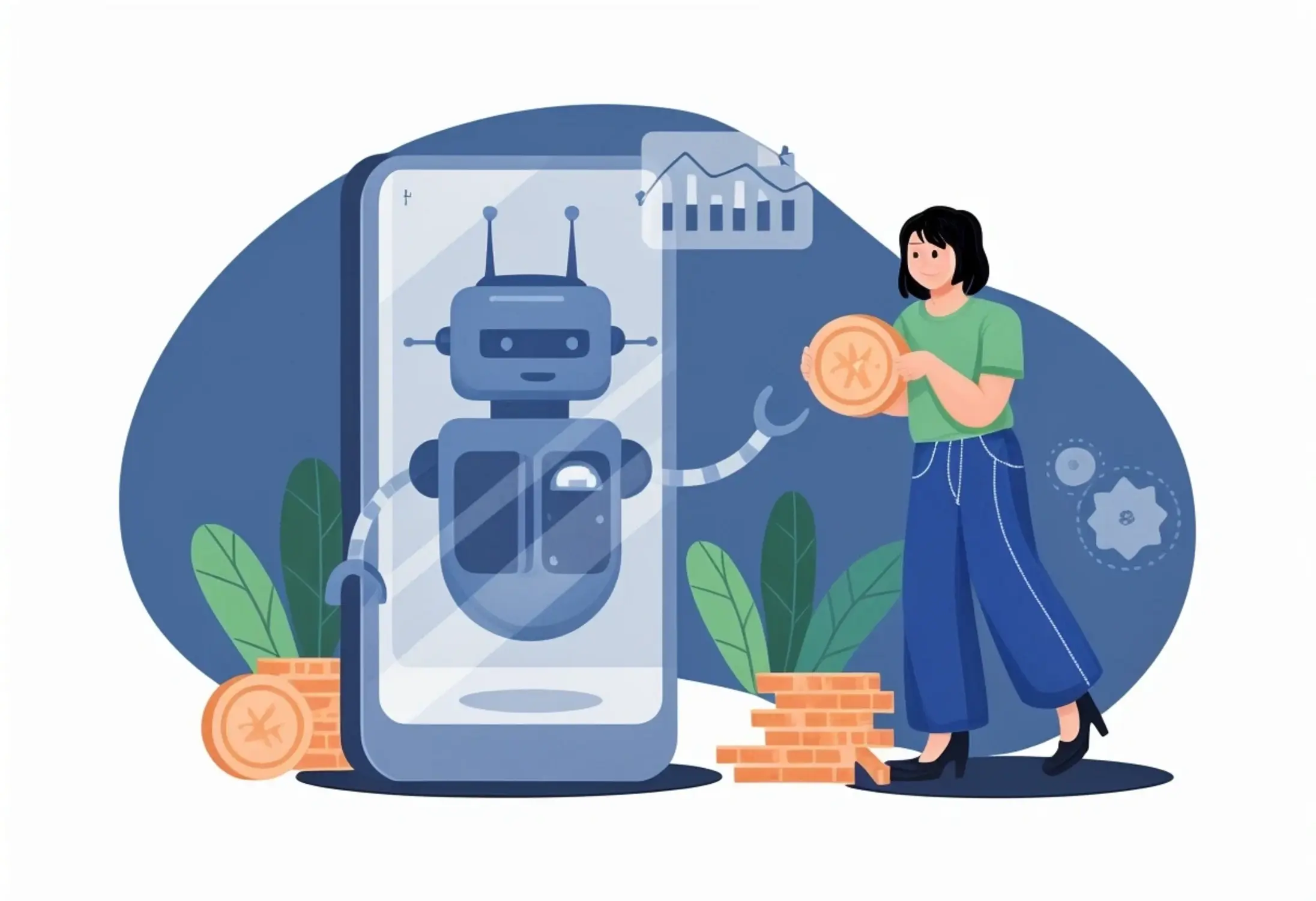
This partnership presents various projects that showcase real-world applications of AI in decentralized computing. For instance, Wondera AI’s infrastructure aims to optimize GPU performance for tasks such as machine learning and data analytics. Through this collaboration, io.net can deliver cutting-edge capabilities such as real-time data processing and model training. The use of AI in managing GPU resources enhances operational efficiency, allowing io.net to stand out among competitors like Render and Akash. Practical implementations of this synergy could redefine how developers approach decentralized applications, pushing the boundaries of what’s achievable with AI technology, and improving user experiences.
Competitive Landscape of Decentralized Computing
In the competitive landscape of decentralized computing, io.net’s positioning is critical. By leveraging its partnership with Wondera AI, io.net differentiates itself in a market saturated with numerous players. Competitors such as Render and Akash have established reputations, but io.net’s focus on a demand-driven model and sustainable tokenomics presents a unique advantage. However, the market is not without challenges; regulatory hurdles and market skepticism, reflected in a 43% price drop in the $IO token as of December 11, indicate that the path forward requires careful navigation and community engagement. As industry experts note, overcoming these challenges will involve transparent communication and strategic maneuvering within the evolving regulations governing digital finance and decentralized resources.
Innovations in GPU Resource Management
Io.net adopts an innovative approach to GPU crowdsourcing that consists of tapping into a global network of resources. This model allows users to share and harness computing power without being bound by traditional infrastructure limitations. By employing over 650,000 GPUs across 140 countries, as highlighted by a recent analysis, io.net not only provides cost-effective computing alternatives but also improves accessibility for developers. This decentralization of computing power lowers operational costs significantly compared to conventional cloud services, which often require hefty upfront fees and long-term contracts. Such scalable solutions represent a monumental shift in how digital finance and infrastructure can operate moving forward.
Understanding the Utility of $IO in a Practical Context
The $IO token plays an essential role in facilitating GPU rentals and managing supply dynamics within the io.net ecosystem. It serves as a universal payment method, binding the interactions among GPU renters, suppliers, and community members. Payments made in $IO tokens bypass traditional transaction fees, significantly lowering the cost of transactions compared to alternatives such as USDC, which incurs a 2% facilitation fee. Additionally, staking requirements for $IO can enhance network security and commitment among participants, reinforcing the overall stability of the ecosystem. This efficient payment structure dazzles in its simplicity, ultimately driving demand for the token as participants seek to optimize their interactions in the IOG network.
Future Impacts on Digital Finance
Looking ahead, the long-term implications of io.net’s strategies may lead to a stabilization of the $IO token’s value amidst fluctuations seen in the broader cryptocurrency market. By integrating decentralized finance and GPU computing, io.net stands at the forefront of reshaping financial interactions. The convergence of these domains presents opportunities for stakeholders to rethink their business models and value propositions. Engaging actively with the burgeoning world of decentralized systems will be paramount for firms aiming to remain relevant in this rapidly evolving financial landscape.
Strategic Insights for Stakeholders and Innovators
For industry participants, actionable steps involve actively engaging with this new digital environment. Collaboration is critical; stakeholders must seek opportunities to leverage partnerships effectively, as showcased by io.net’s alliance with Wondera AI. Best practices include fostering open communication channels within communities and sharing insights that can drive collective growth. Engaging with innovative platforms not only enhances participants’ capabilities but also promotes resilience in the face of market dynamics, ensuring sustainable development within the decentralized landscape.