
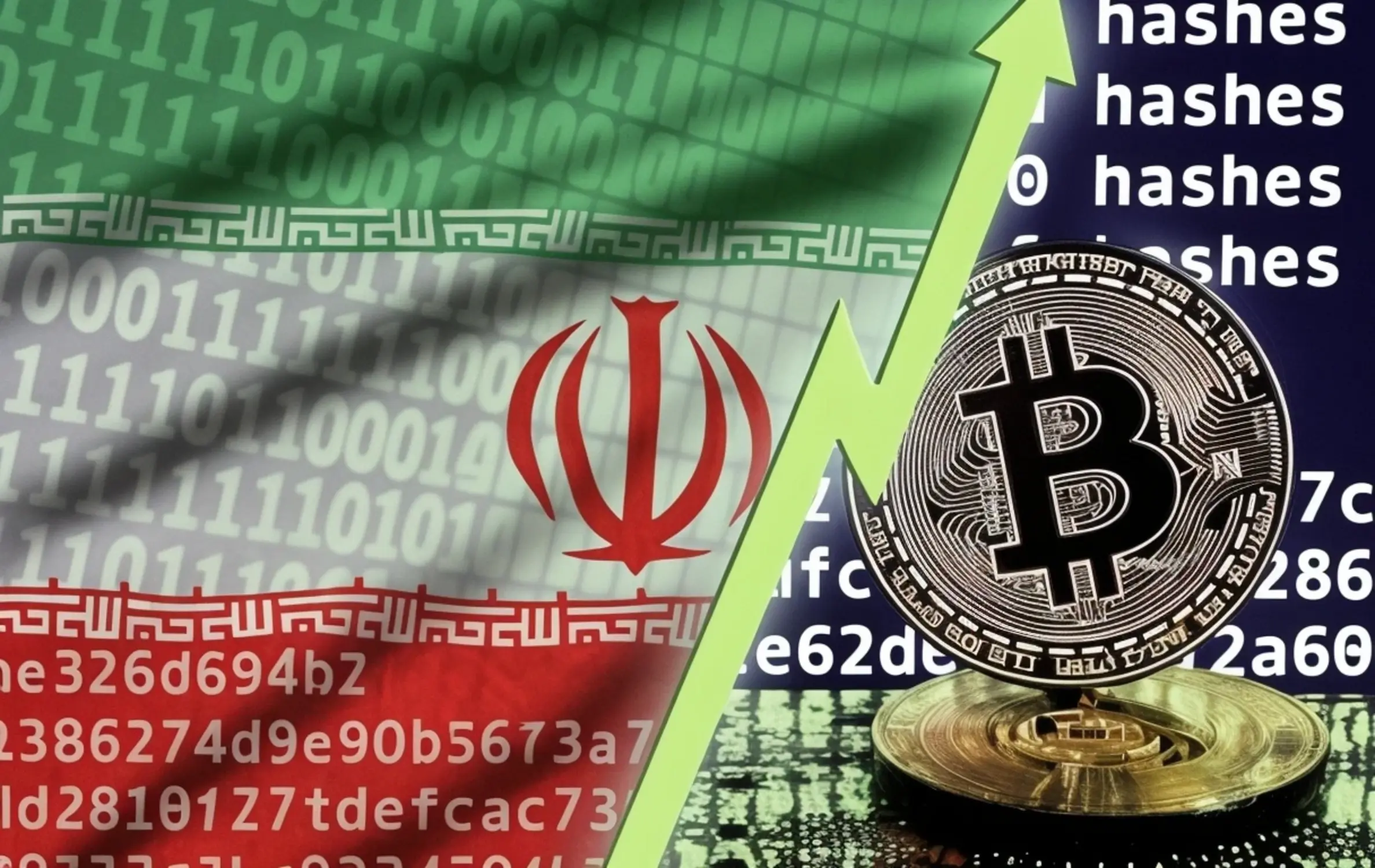
As geopolitical tensions rise, Iran’s innovative approach to the crypto economy is not only a response to sanctions but also a method of economic survival. This evolution shows how countries can leverage digital assets to navigate complex financial landscapes and what it means for the global economy.
The Importance of Crypto Economy in Today’s Landscape
The crypto economy has emerged as a crucial player in today’s global financial systems, especially for countries under significant economic pressure. Understanding the role of cryptocurrencies like Bitcoin in bypassing sanctions provides insight into how this digital currency operates. Countries facing international restrictions have found in digital assets a lifeline, allowing them to conduct transactions outside traditional banking systems.
For example, Iran has turned to cryptocurrency operations to sustain its economy amid ongoing sanctions, illustrating this crucial interlink between digital currencies and economic stability. These financial assets offer more than just anonymity; they imbue participants with a sense of control over their resources.
The intersection of crypto and traditional economies highlights a significant shift. Unlike standard currencies, cryptocurrencies operate on decentralized networks, which can help suppress inflation and stabilize economies in turmoil. This facilitates trade many might consider too risky due to regulatory environments, especially in nations heavily sanctioned.
Iran’s Unique Approach to Digital Assets
In response to sanctions and the volatility of its national currency, Iran has crafted a unique regulatory framework surrounding cryptocurrencies. The government has started to recognize Bitcoin not merely as a speculative asset but as a potential tool for economic rejuvenation. Recent regulations promote specific uses of cryptocurrencies while claiming the need to control their proliferation.
The role of Bitcoin in Iran’s financial system has become increasingly prominent. The government has begun permitting miners to sell their Bitcoin through state banks, effectively integrating it into the mainstream economy. Moreover, enhanced support for blockchain technologies is helping to legitimize crypto operations, easing fears regarding security and scalability among those hesitant to adopt these new methods.
Trends in Iran’s Shadow Economy
Iran’s shadow economy has seen dramatic shifts as a result of its engagement with the crypto landscape. Unregulated crypto transactions have skyrocketed, offering individuals and businesses an alternative means of exchange that circumvents traditional banking limitations. This rise showcases the growing need for financial innovations that can thrive in oppressive economic conditions.
Crypto mining, particularly, has had a notable impact on local economies. Power-intensive mining operations have led to increased energy demand, affecting electricity consumption patterns across the nation. Furthermore, many IRGC-affiliated businesses are reportedly utilizing excess oil and gas to run their mining operations, prompting ongoing debates about resource allocation and economic priorities.

Implications of Sanctions on Crypto Adoption
Sanctions have inadvertently driven innovations in the crypto space, urging businesses to pivot towards digital assets. Companies that were once tethered to conventional methods are now maximizing cryptocurrencies to facilitate transactions and enhance liquidity. There are numerous case studies of businesses adapting to the crypto economy, turning challenges posed by sanctions into opportunities for growth.
Despite its potential, using digital assets comes with challenges for Iranian users. The uncertain regulatory landscape creates barriers to entry while pushing some users to rely on unregulated exchanges, leaving them vulnerable to fraud and financial loss. The volatility of crypto assets also poses risk, particularly for individuals unfamiliar with the market.
Global Reactions to Iran’s Crypto Movement
Global reactions to Iran’s approach to cryptocurrencies have been mixed, with various countries keeping a watchful eye on these changes. Some nations view Iran’s strategy as a hostile maneuver, while others, perhaps seeing the potential for trade collaboration, might welcome Iran’s adaptation to the digital economy.
International markets have begun to feel the reverberations of Iran’s engagement with cryptocurrencies, especially as its digital transactions grow. Responses from global regulators vary, with concerns about potential risks in broader crypto markets. The evolution of Iran’s crypto sector could serve as a case study for other nations navigating similar economic waters.
Navigating Opportunities in the Crypto Economy
For individuals and businesses looking to navigate this complex landscape, practical advice is paramount. First, understanding the fundamentals of cryptocurrencies is crucial. Businesses should consider how they can adopt blockchain technology to optimize transactions.
Ensuring secure participation in the crypto economy entails rigorous risk assessment practices, diversifying investments, and engaging with reliable exchanges. The long-term potential for growth within this shadow economy remains uncertain; however, it poses enticing opportunities for those willing to adapt and innovate amid challenging conditions.
Future Outlook for Iran’s Crypto Influence
Looking ahead, anticipated changes in Iran’s financial policies may further entrench its crypto strategy. Experts predict that as the technology matures, its integration will deepen with the national economy. Surging interest in crypto assets implies a continued evolution of the nation’s shadow economy.
Global stakeholders are thus encouraged to explore ways of engaging with Iran’s crypto activities, be it through partnerships in blockchain technology or investments in innovative projects. This engagement could rewrite the rules of economic interaction in a strained geopolitical climate, providing pathways for cooperation that transcend traditional barriers.