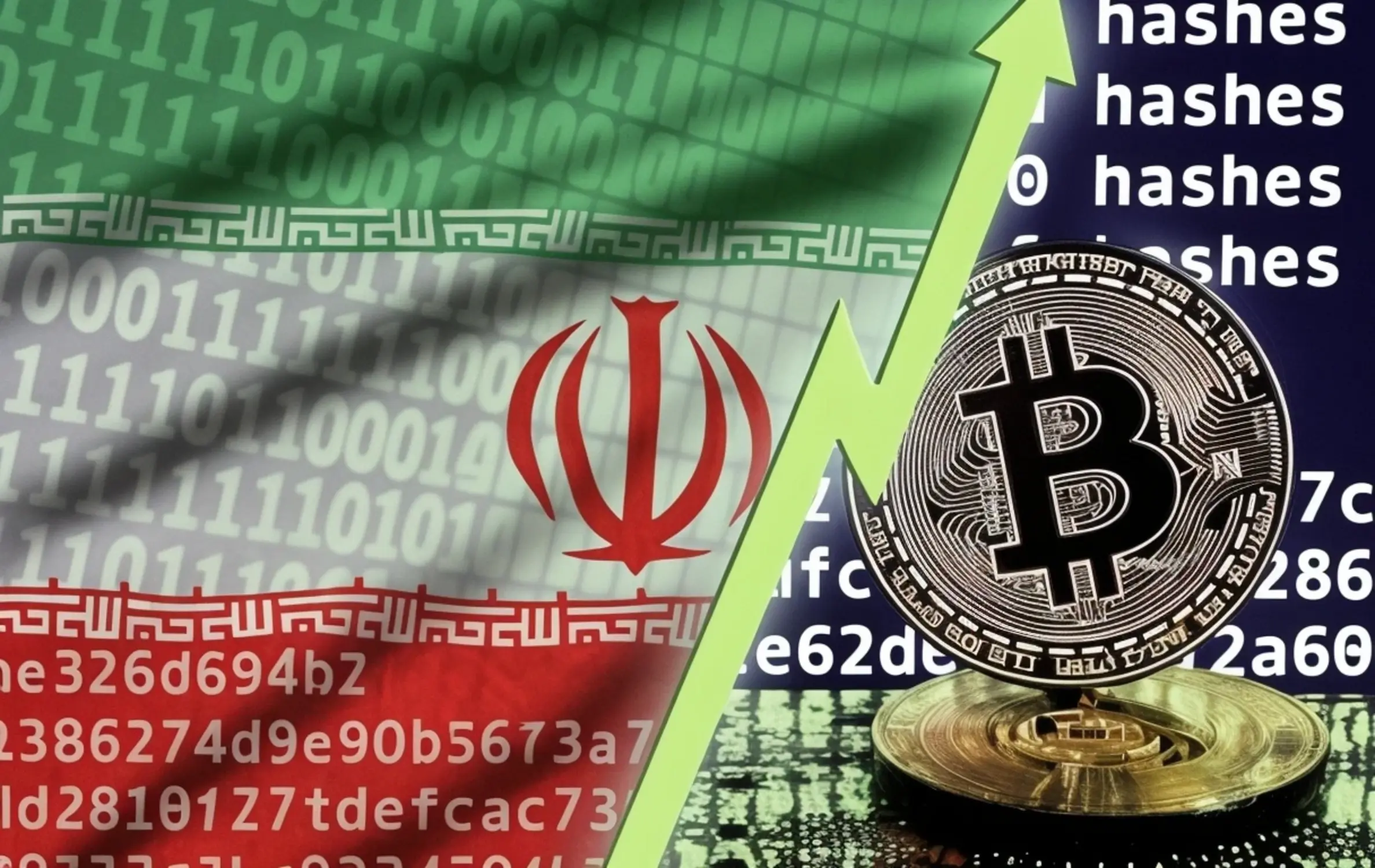

In today’s evolving geopolitical landscape, the struggle against sanctions has led Iran to adopt innovative strategies, particularly through the use of cryptocurrency. This shift is not merely a response to international pressure; it highlights Iran’s significant pivot toward a digital economy to sustain itself amidst harsh restrictions. As this trend grows, the impact on both local and global economics becomes increasingly profound.
Understanding Iran’s Sanctions-Busting Tactics with Cryptocurrency
Iran has emerged as a formidable player in using cryptocurrency to bypass stringent sanctions imposed by Western nations. With economic conditions deteriorating, the Iranian government capitalizes on the anonymity and decentralized nature of cryptocurrencies to continue its operations. Reports indicate that in 2025, Iranian entities, particularly the Revolutionary Guard, processed over $3 billion in cryptocurrencies, underscoring the financial stakes for the government as it seeks alternatives to traditional banking systems, heavily influenced by sanctions (Asia Times).
The implications of these actions reach far beyond Iran’s borders. They not only fortify the regime’s economic foundation but also reshape international relations. As nations like Iran continue to employ such tactics, they complicate the global oversight and enforcement of financial restrictions, which are often designed to cripple sanctioned nations economically.
The Rise of Crypto Economy Amidst Sanctions
The crypto economy in Iran has seen significant growth in recent years, fueled by both necessity and opportunity. The Iranian government has taken steps to support the development of cryptocurrency solutions, recognizing their potential to provide alternative financial resources. As a result, many enterprises and individuals are becoming increasingly familiar with the crypto landscape, fostering a local ecosystem that thrives despite external pressures.
Governmental backing plays a crucial role in this environment. While the regime faces mounting external sanctions, it promotes digital currency initiatives as a means to enhance economic resilience. Local and international sanctions have ironically accelerated the adoption of crypto, as people seek ways to circumvent financial limitations imposed by foreign powers. Observations suggest that, despite challenges, there is a vibrant, albeit risky, market for crypto transactions in Iran, buoyed by ongoing sanctions efforts.
Current State of Iran and Crypto Transactions
Recent statistics reveal a surge in crypto transactions associated with Iranian entities, indicative of the changing landscape. As per recent analyses, total illicit crypto inflows reached an astonishing $154 billion in 2025, showing a 162% increase from the previous year. This spike aligns with an overall trend of increased sanctions evasions, as noted in industry reports (Finviz).
Key players in this sector include a blend of local miners and refashioned tech firms that seek to exploit blockchain’s advantages to facilitate secure transactions. Their motivations vary, including profit generation and the pursuit of political agendas, especially when linked to security and military operations. Tracking these transactions, however, often proves challenging due to the heightened anonymity provided by blockchain technology.
Blockchain Technology as a Tool for Evasion
Blockchain technology is at the heart of Iran’s strategy for circumventing financial restrictions. Its decentralized nature allows users to conduct transactions without relying on traditional banking systems that are susceptible to foreign oversight. Governments and state-affiliated entities leverage these advantages to manage their finances covertly while continuing operations, even amid significant international scrutiny.
For instance, Iranian organizations have adopted various blockchain applications tailored to address their economic needs, ranging from remittances to securing funds for essential commodities. The technical advantages blockchain provides, such as transparency and security, ironically work to support strategies that thwart the intended impacts of sanctions. As the network of illicit crypto activity expands, it becomes increasingly integrated with legitimate markets, complicating enforcement efforts from international regulatory bodies.

The Role of Military and State Actors in Crypto Usage
State and military actors in Iran, specifically entities like the Revolutionary Guard, play a pivotal role in the country’s utilization of cryptocurrencies. These organizations use cryptographic assets not only for funding their own operations but also to finance activities abroad. Indeed, cryptocurrency has become a key ingredient in Iran’s broader military strategy, further intertwining the realms of state security and economic activity.
The impact of these actors on the economy extends into illicit markets, where funds are funneled into projects that defy international sanctions. The presence of state actors in the crypto arena raises significant questions about the integrity of enforcement measures and invites scrutiny of how nations are adapting to the evolving landscape of digital currency. Specific cases involving the Iranian Revolutionary Guard illustrate the sophisticated methods employed by these actors to benefit from an otherwise constrained economic environment.
Future Challenges in Enforcement Against Crypto Transactions
Enforcing sanctions in an era of widespread crypto adoption brings new challenges for regulatory bodies. The rise of decentralized finance (DeFi) presents a significant obstacle to traditional monitoring and compliance methods. With no central authority to oversee transactions, detecting illicit activities linked to countries like Iran becomes more intricate.
As such, international regulatory frameworks may need to adapt rapidly to counteract these evolving evasion tactics. Strategies to enhance enforcement could include increased cooperation between nations, sharing intelligence on blockchain activities and developing technological solutions capable of tracking decentralized transactions. Without proactive measures, the gap between enforcement capability and the adaptive strategies of sanctioned nations is likely to widen.
Navigating the Crypto Landscape: Actionable Steps
For stakeholders engaged in the Iranian crypto market, understanding the unique landscape is crucial. One must navigate the intertwining risks and benefits carefully. This includes recognizing the potential for significant profits alongside substantial risks associated with regulatory scrutiny. Investors should stay informed on the rapid developments within Iran’s crypto economy, assessing the legitimacy of platforms and the potential implications for compliance.
Furthermore, regularly consulting reliable resources can help stakeholders adapt to the constantly changing environment. A proactive approach will be essential for those looking to engage with this dynamic market while being cognizant of the broader geopolitical implications and legal risks prevalent within Iran’s evolving crypto transaction landscape.