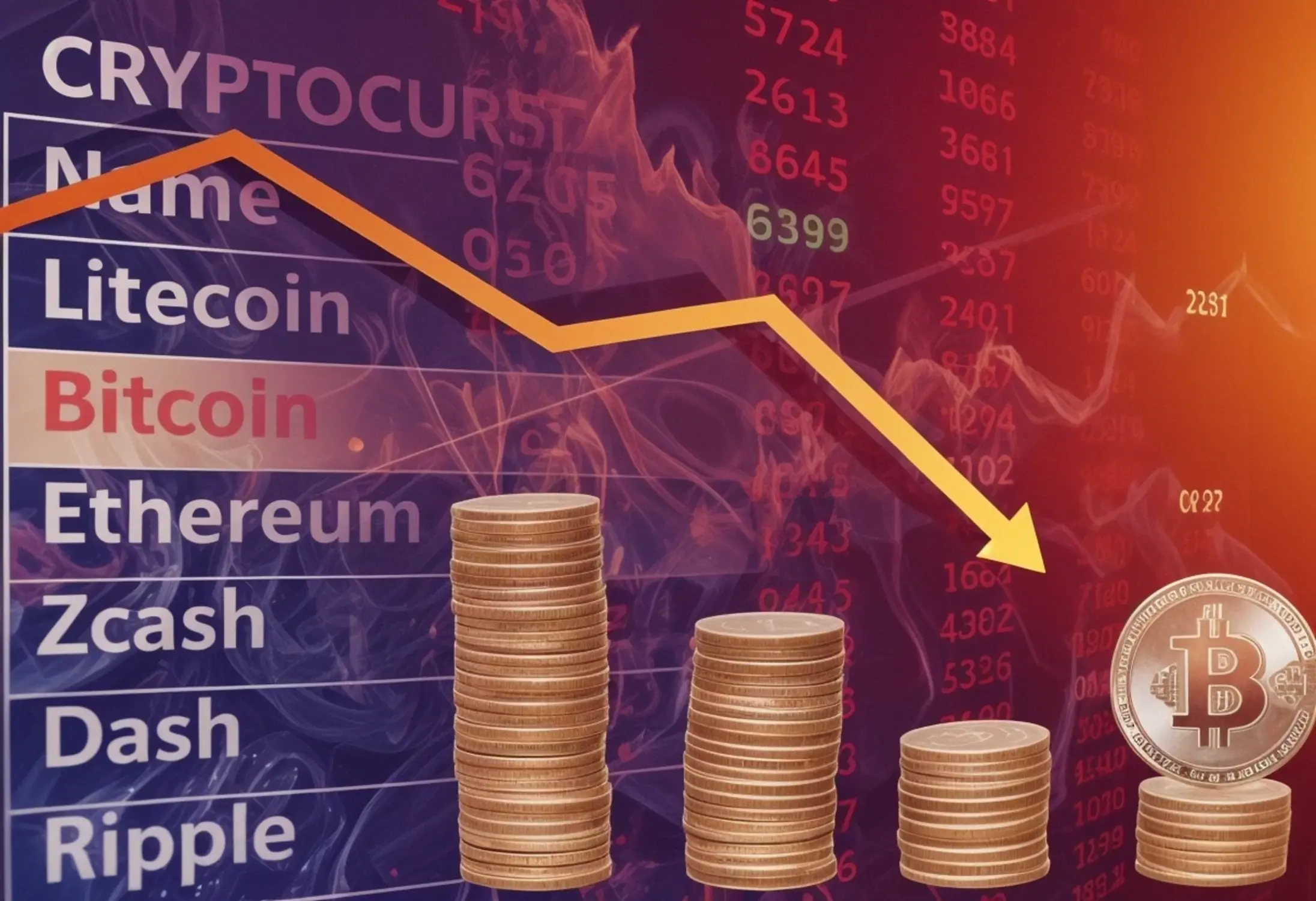


The cryptocurrency crash represents a pivotal moment in financial history, reshaping how investors engage with digital currencies, specifically Bitcoin. Understanding this crash’s causes and effects is crucial for adjusting investment strategies and community dynamics within the crypto market, as the fallout extends beyond just financial losses.
Cryptocurrency Crash: Understanding Its Causes
The recent cryptocurrency crash has roots in various triggers, notably regulatory uncertainty, market exuberance followed by panic selling, and macroeconomic factors such as inflation. According to reports, Bitcoin’s price movements were influenced by a mix of investor psychology and external economic signals. In the months leading up to the downturn, Bitcoin saw fluctuations that reflected not just its inherent volatility but also changing investor sentiment, which shifted from optimism to fear as prices began to tumble.
Market psychology plays a critical role in these fluctuations. As Bitcoin soared to unprecedented heights, speculation peaked, leading many investors to overlook fundamental factors. However, signs of a downturn emerged as major economies grappled with rising inflation, prompting central banks to adjust monetary policies. This economic landscape contributed to increased selling pressure among investors who recognized the need to mitigate potential losses as Bitcoin fell from over $126,000 to under $60,000, as reported by Bloomberg.
The Economic Impact of Bitcoin’s Decline
Bitcoin’s crash has sparked broader implications for traditional finance, particularly among institutional investors and public pension funds that have diversified their portfolios to include cryptocurrencies. As Bitcoin’s value plummets, these funds face significant investment challenges, raising concerns over the viability of cryptocurrencies as reliable assets. This situation represents a significant shift for traditional finance, where Bitcoin was once viewed as a hedge or alternative asset.
The economic repercussions extend beyond immediate financial losses. Analysts suggest that values previously assigned to crypto assets may require reevaluation in light of their current performance. Market watchers are concerned about the potential long-term impacts on both institutional interest in cryptocurrencies and their acceptance across financial markets. The collapse has amplified scrutiny over crypto regulations while potential regulatory actions could reshape the market landscape in the future.
Current State of the Crypto Market
As the cryptocurrency crash unfolds, the state of the market reflects turbulent conditions. Current trends indicate that Bitcoin and other cryptocurrencies are still struggling to maintain stability. Recent analyses suggest a pervasive sense of uncertainty among investors, which is reflected in fluctuating price movements and a cautious approach to new investments. Investors’ sentiments have taken a hit, with many experiencing feelings of isolation amid the downturn and a lack of strong community support systems, as the New York Magazine highlights.
Diverse demographics and investment strategies in the crypto space are evolving against this backdrop of volatility. Reports indicate a significant demographic shift, with increased ownership among younger adults. For example, estimates project crypto ownership among U.S. adults may reach around 14% by 2025, with participation notably higher among men ages 18 to 49. This demographic shift complicates market dynamics, presenting new layers of volatility as investor psychology changes.
Community and Culture Shifts in Crypto
The current crypto crash has not only affected prices but also altered the cultural landscape of the community. As prices dropped, many investors reported feelings of isolation and anxiety, underscoring the need for supportive community structures. Crypto forums and social media platforms, once bustling with optimism, have shifted towards discussions of regret and uncertainty.
Support systems are being tested as the sense of solidarity erodes. Community-driven initiatives have emerged as crucial lifelines, with many advocating for increased communication and resource sharing to navigate these challenges. Connections fostered during the cryptocurrency’s rise are vital to sustaining morale and investing knowledge within the community. Ensuring robust interactions may determine how investors overcome this downturn and prepare for the future.

Actionable Steps for Investors Amidst Uncertainty
Navigating the cryptocurrency crash requires strategic adaptability. Investors should consider several proactive measures to manage their portfolios during this tumultuous period. Key strategies include:
– Diversification: Spreading investments across various cryptocurrencies can help mitigate risks associated with Bitcoin’s volatility.
– Staying Informed: Keeping abreast of market trends and data is essential. Engaging with credible sources and data analysis can help investors make well-informed decisions.
– Risk Assessment: Regularly evaluating portfolio risk levels and aligning them with personal risk tolerance can prevent panic-driven decisions.
By taking these actionable steps, investors can build resilience and possibly find opportunities within the current market landscape.
Lessons Learned from Bitcoin’s Historic Plunge
The current crash provides significant lessons for the cryptocurrency space. One of the foremost takeaways is the importance of understanding market fundamentals, which can often be overshadowed by speculative enthusiasm. Historically, market crashes have cyclical patterns, and analyzing past downturns can provide insights into recovery trajectories.
As Bitcoin’s price fluctuates, investors should remain cautious yet vigilant, learning the critical lesson that speculation without foundation can lead to severe ramifications. Though the future of Bitcoin and cryptocurrency investing remains uncertain, the evolution of community dynamics, market understanding, and institutional sentiment will ultimately shape the recovery narrative as the landscape continues to evolve.
In conclusion, by reflecting on the historical context and remaining adaptable, investors may find a renewed sense of clarity amid the chaos.