
The current Bitcoin decline raises significant concerns for investors navigating an uncertain crypto economy. Understanding the factors driving this downturn and its implications on investor sentiment is crucial for making informed decisions in today’s volatile market.
The Risks Associated with Bitcoin Decline
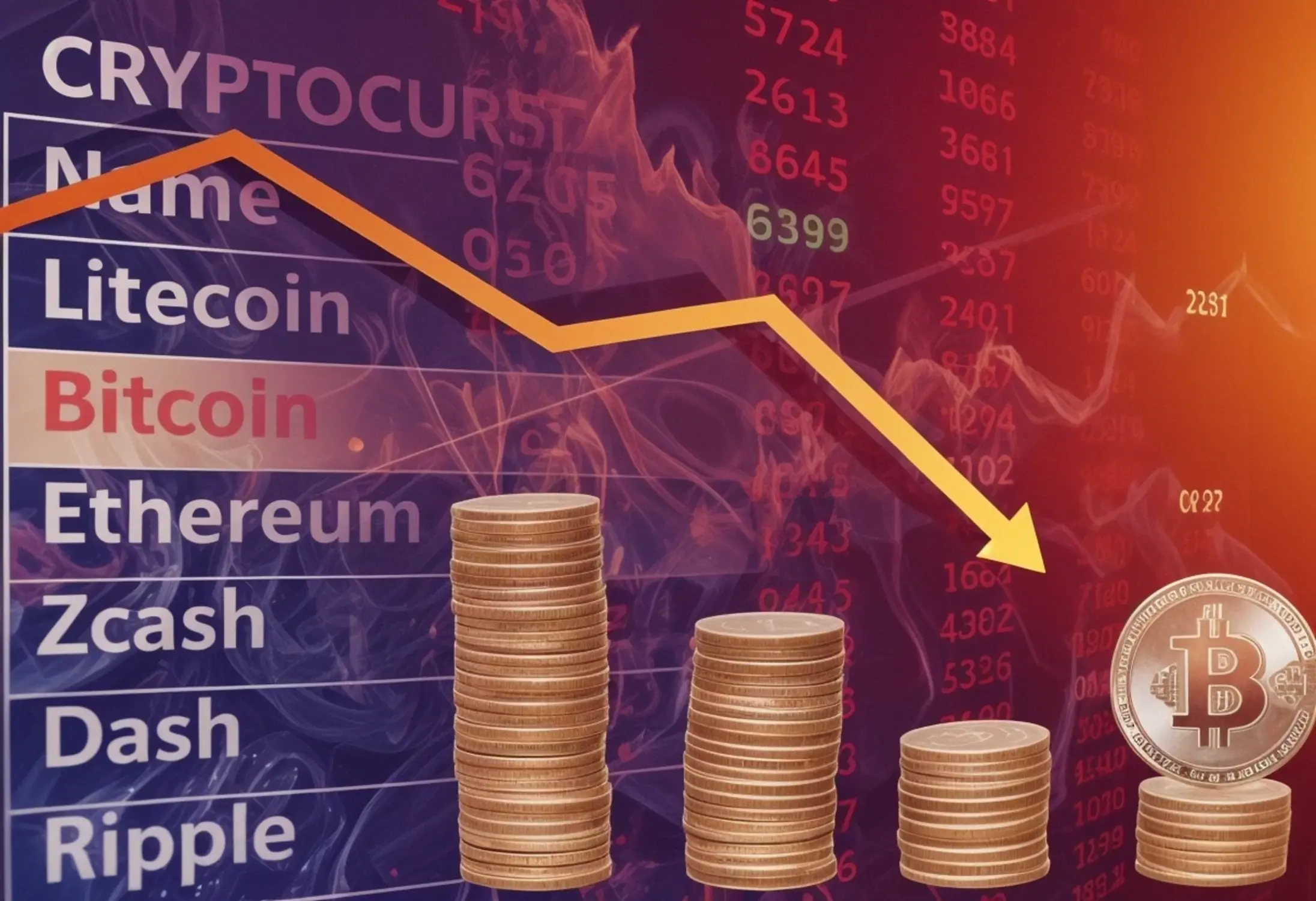
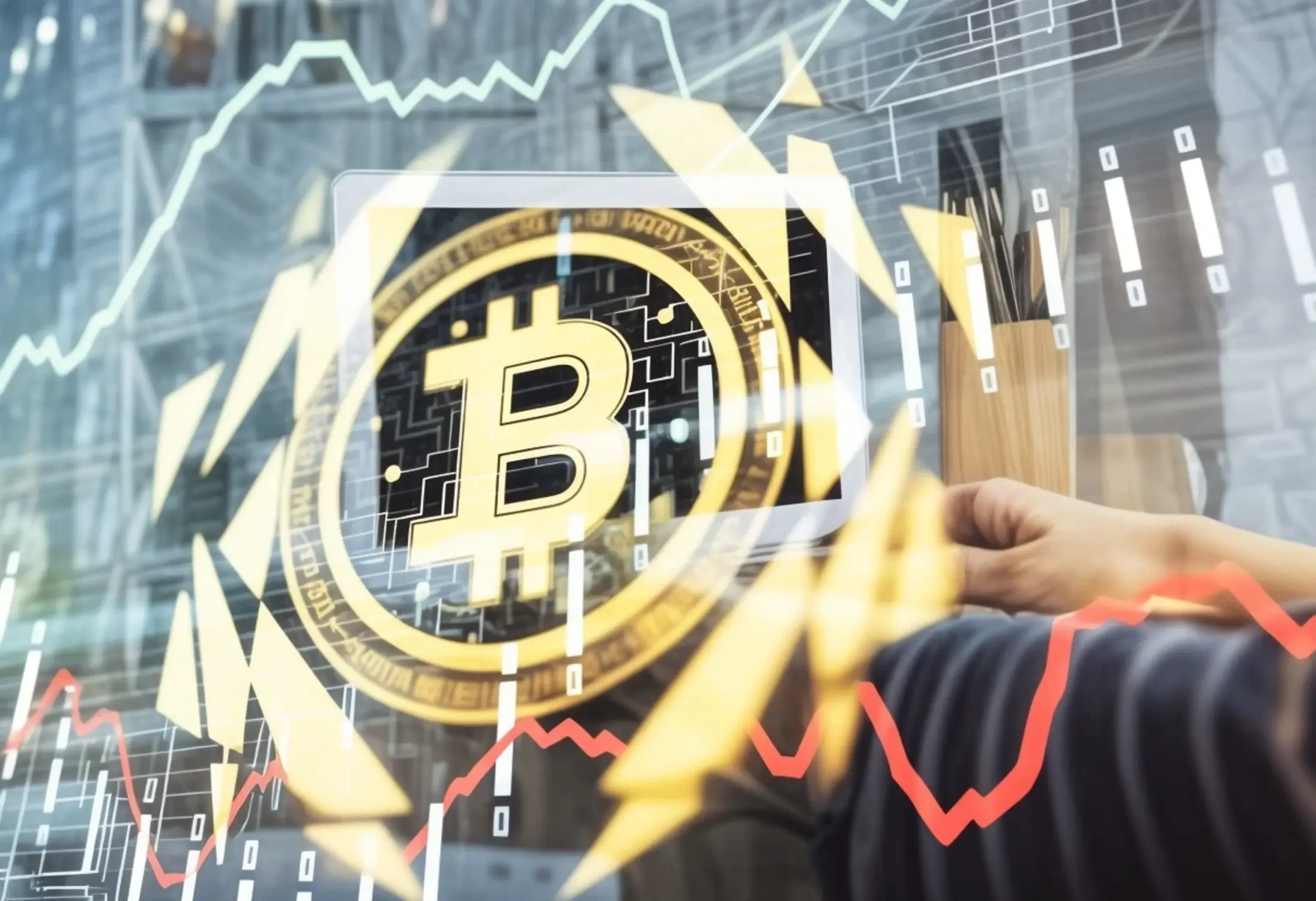
Bitcoin’s recent price drop has become a focal point of discussion among investors and analysts alike. The value of Bitcoin has not only tumbled from its peak but has done so in a manner reminiscent of previous historical crashes. For example, Bitcoin reached an all-time high of around $126,000 in October 2025 but has faced significant volatility, dropping to approximately $60,000 at its lowest point during recent weeks, highlighting the inherent dangers of investing in this cryptocurrency, as noted by economic experts.
Investors must also appreciate the role macroeconomic factors play in this decline. Rising interest rates and global economic uncertainty act as detrimental forces that can influence market stability and investor confidence. As traders grapple with these changes, the psychological impact of such volatility can lead to a rapid shift in sentiment, often resulting in panic-selling.
Emotional Toll on Investors
The psychological alignments in trading create a cycle where fear and uncertainty can exacerbate the decline. Volatility often stirs panic among investors, driving them to react impulsively without a full display of strategic foresight. The emotional roller coaster associated with crypto trading significantly affects decision-making processes, as investors often act on emotion rather than data, leading them to misjudge potential recovery signs and engage in hasty actions that could further solidify losses.
Factors Fueling the Current Bitcoin Downturn
The ongoing decline is not simply a random event; various factors are concurrently shaping this market trend. One notable element is the persistent regulatory threats that loom over the cryptocurrency industry. As governments worldwide scrutinize cryptocurrency markets, market perceptions are adversely affected, leading investors to rethink their strategies.
Additionally, speculative trading behavior continues to sway Bitcoin’s values. The nature of cryptocurrencies encourages speculation, with traders often buying assets based on price movements rather than fundamental value analysis. This speculative approach creates cycles of increasing volatility, as highlighted by the erratic behavior observed in recent months. The lack of steady structural support for Bitcoin contributes to its susceptibility to sudden declines. Traders must be wary, as this speculative environment can deceive investors into adhering to illusions of safety.
Market Reactions and Investor Sentiment
As Bitcoin continues to decline, responses from investors have become increasingly diverse. The divide between long-term holders, who retain their assets through market fluctuations, and short-term traders, who may hastily liquidate holdings, is widening. Many long-term investors maintain their positions, believing this decline is a temporary setback. In contrast, short-term traders are actively reacting to market conditions, often magnifying the sell-off with their quick decisions.
In light of these recent developments, the overall attitude toward cryptocurrencies has shifted. With heightened volatility, many investors now view Bitcoin as a risky asset rather than a cornerstone of digital finance. Sentiment reports indicate a growing wariness among potential new investors, as the seemingly ceaseless decline raises questions about the future viability of Bitcoin as a dependable investment.
Regulatory Changes on the Horizon
Looking ahead, potential reforms may soon alter the framework of cryptocurrency regulation. Governments are considering various measures aimed at stabilizing the crypto market, which may either foster confidence or exacerbate uncertainty. Proposed policies could change the landscape for investors, aligning it more closely with traditional financial systems, thus potentially impacting investor behavior significantly.
As analysts observe, the interplay between regulation and market confidence in cryptocurrencies remains crucial. While some regulations aim to safeguard investors, they can also create an atmosphere of hesitation among market participants, potentially delaying recovery.
Learning from Historical Events in Crypto
To navigate the complexities of Bitcoin’s current decline, it is beneficial for investors to reflect on historical events in crypto. The market has previously witnessed significant downturns, prompting many investors to adopt disaster preparedness strategies. Understanding these past episodes can provide insights into patterns and potential recovery avenues.
Crucially, historical data suggests that while downturns can be severe, recoveries are typically in the wings if investors are equipped to manage turbulence effectively. This necessitates that current investors develop adaptable strategies and remain informed about market conditions as they evolve. Despite the ongoing challenges inherent in the crypto economy, history reinforces the notion that resilience often follows hardship.
Actionable Strategies for Navigating Bitcoin’s Volatility
In these turbulent times, developing actionable strategies to navigate Bitcoin’s volatility is essential. Investors should focus on risk mitigation techniques that can minimize exposure during downturns. Some tips include:
– Establishing a diverse portfolio to balance potential losses.
– Engaging in data-driven decision-making rather than emotion-based trading.
– Utilizing stop-loss orders to protect against severe price drops.
Moreover, it is vital to adopt a balanced approach to cryptocurrency investment. By aligning investment strategies with current market realities, investors can position themselves more favorably amid uncertainty. Affirming a commitment to adaptable and well-informed investment choices can empower participants in the crypto economy to weather the storm of Bitcoin’s gripping decline.