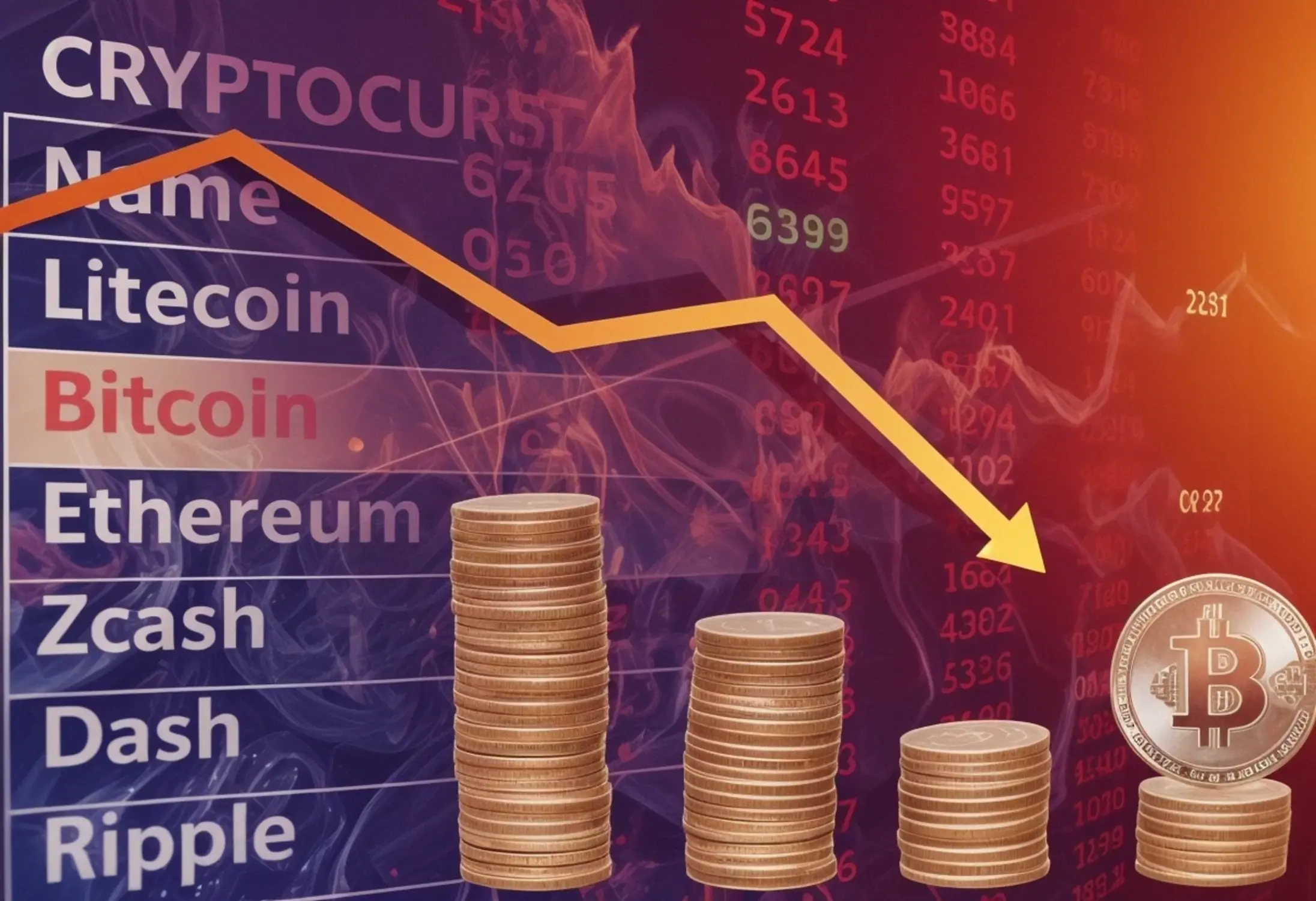


The ongoing crypto market downturn is reshaping how investors approach their strategies. With Bitcoin and Ethereum’s instability alongside regulatory pressures, now is a critical time for understanding the shifting dynamics and planning accordingly to navigate this volatile environment effectively.
Impact of the Crypto Market Downturn on Investment Decisions
The current crypto market downturn heavily influences investor psychology. As Bitcoin and Ethereum’s prices fluctuate, many investors feel increased pressure to make swift decisions. Often, panic selling ensues, with traders cashing in on profits or cutting losses to minimize risk during uncertain times. This behavior contributes to higher selling pressure across the market, further driving prices down.
Moreover, recent trends indicate a noticeable shift toward safer assets, such as stablecoins. Investors, seeking shelter from the chaotic price swings, prefer stability over high volatility. According to a recent analysis, many market participants are reallocating their portfolios, moving funds from traditional cryptocurrencies to stablecoins as a means of preserving capital during this downturn. This migration reflects growing concerns over both the market’s immediate trajectory and the overall economic environment, which has left many investors hesitant to commit fully to high-risk assets like Bitcoin and Ethereum during times of uncertainty.
Current Bitcoin Price Trends and Their Implications
Bitcoin is currently grappling with significant price movements that highlight critical resistance levels. Recent trading sessions saw Bitcoin prices struggle to maintain a hold above the $70,000 mark, which is essential for ongoing bullish sentiment. Analysts point out that Bitcoin recently dropped to $68,670.70, failing to hold the critical resistance level around $70,000 due to increasing selling pressure and broader market trends (Economic Times).
Various factors contribute to Bitcoin’s inability to maintain its price. Regulatory uncertainties are prominent, creating anxiety and hesitance among potential investors. Institutional investors play a critical role in the market; despite volatility, many are holding their positions, indicating a longer-term view of market recovery. As institutions retain their investments, market analysts remain cautious yet optimistic about Bitcoin’s potential recovery, provided it breaks through previously established resistance levels.
Ethereum Price Analysis in a Volatile Market
Ethereum’s performance closely mirrors that of Bitcoin, reflecting broader market trends and sentiment. The recent downturn has seen Ethereum’s price drop significantly, raising concerns about its correlation with Bitcoin’s volatility. Currently, Ethereum trades around $1,965.56, representing a 5.36% decline (Economic Times).
Key support and resistance levels are critically important for Ethereum as well. Investors are monitoring significant support around $1,900 and resistance at $2,000. Shifts in Ethereum’s price can substantially influence overall market sentiment; an increase might rekindle optimism in other cryptocurrencies. Conversely, a continual decline could lead to a broader loss of confidence in the cryptocurrency sector. As Ethereum holds nearly a 20% share in the total crypto market cap, its price actions are vital indicators for many investors.
How Regulatory Changes are Shaping Market Dynamics
Regulatory changes significantly impact cryptocurrency prices, particularly during downturns. The current uncertainty surrounding crypto regulation has led to increased volatility and market apprehension. As regulations evolve, they create a ripple effect affecting trading strategies, investor confidence, and even institutional participation in the market.
Specific regulations targeting Bitcoin and Ethereum have been a focus of concern, highlighting the need for clarity and structure. The ongoing discourse around crypto regulations can keep prices suppressed, as market participants hesitate to make significant investments without clear guidelines. Many traders and analysts are closely watching how legislation might unfold, with predictions suggesting that upcoming regulations could further influence investor strategies (US presidential announcements). Investors are urged to stay informed about these changes, as they could dictate future portfolio adjustments and risk management strategies.

Adaptations in Investor Behavior during Downturns
During market downturns, investor behavior often evolves in response to external pressures and internal motivations. Many shift their strategies towards long-term holding and diversification, favoring lower-risk investments. This adjustment is driven by a heightened awareness of market volatility and the desire to minimize losses.
As outlined previously, there is a growing tendency for investors to favor stablecoins. This strategic pivot not only safeguards investors’ capital but also provides a buffer against the unpredictable nature of traditional cryptocurrencies. By diversifying into a mix that includes stablecoins, Bitcoin, and Ethereum, investors can better balance risk and return, adapting to the current economic landscape shaped by the crypto market downturn.
Strategies for Navigating the Current Crypto Environment
In navigating the current crypto landscape, investors should consider several practical steps. First, reassessing portfolios to evaluate risk exposure is crucial. Investors should take an inventory of their holdings and determine if their allocations align with their long-term goals in this uncertain environment.
Additionally, staying informed about market trends and regulatory updates is vital. Accessing reputable news sources, such as Economic Times, ensures that investors are up-to-date on significant developments that might affect their holdings. Having timely information allows for more informed decision-making.
Lastly, leveraging market knowledge can empower investors to make strategic choices. Identifying potential buying opportunities during dips or engaging in strategic profit-taking can prove beneficial. By employing a more informed and cautious investment approach, stakeholders can better navigate the ongoing challenges posed by the crypto market downturn.