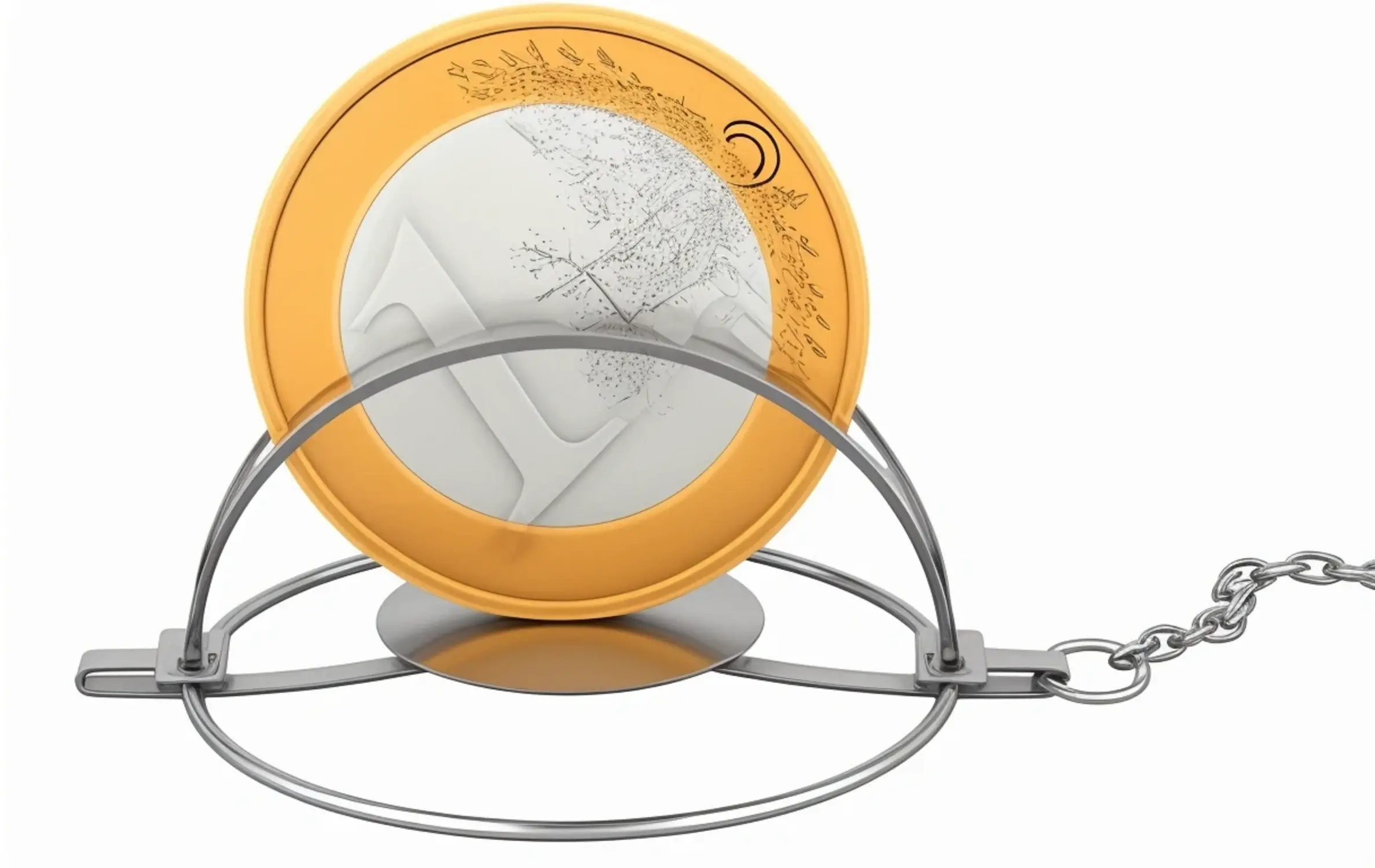


In today’s volatile economic landscape, stablecoins have emerged as vital tools in enhancing economic resilience, particularly in emerging markets such as those in Latin America. Understanding their role can help us appreciate their growing impact on the digital economy.
The Role of Stablecoins in Emerging Markets
Stablecoins serve as a reliable currency alternative in countries grappling with high inflation rates and unstable fiat currencies. They allow citizens to safeguard their savings against the devaluation prevalent in traditional currencies. For instance, nations like Venezuela and Argentina have witnessed increasing adoption of stablecoins as a way to maintain purchasing power amidst their countries’ economic crises. In Venezuela, where hyperinflation has rendered the national currency practically useless, many citizens have turned to stablecoins like USDT and USDC to protect their funds and transact more securely. Similarly, in Argentina, where the peso has faced severe depreciation, stablecoins provide a more stable option for digital transactions and savings.
Cryptocurrency Adoption and Economic Resilience
There is a significant link between cryptocurrency adoption and the economic stability of emerging markets. As these nations lead the charge in digital currency usage, they are finding innovative ways to bolster their economies. A recent report indicated that Latin America is experiencing a rapid increase in cryptocurrency adoption, with the use of stablecoins growing notably. In fact, stablecoin flows in the region are predicted to reach approximately $27 billion by 2024, highlighting the escalating reliance on these digital assets to enhance economic resilience. This trend shows how populations are increasingly turning to a new form of currency, as they acknowledge its potential in providing a safety net against economic turbulence.
Current Trends in the Digital Economy
In examining the trends within the digital economy, it is evident that stablecoins are reshaping payment systems and facilitating financial transactions across emerging markets. The rapid rise of stablecoin transactions indicates a shift towards digital payments, which are often more efficient and cost-effective than traditional banking measures. Recent statistics demonstrate that stablecoin transactions surged ninefold from 2021 to 2024. This significant growth speaks volumes about how stablecoins are transforming not just individual transactions but entire economies. The increased use of stablecoins also paves the way for smoother cross-border transactions, enabling economic interaction that was previously hindered by complex banking systems and fees.

Insights from Latin America’s Stablecoin Experience
Real-world applications of stablecoins are abundant in crisis economies, especially in Latin America, where they facilitate cross-border transactions and provide much-needed liquidity. By utilizing stablecoins, citizens can avoid the high fees associated with conversions and remittances typical in traditional banking methods. Reports indicate that 82% of stablecoin transfers are under $1,000, illustrating their use for day-to-day transactions and small payments that are crucial for households. Furthermore, the BNB Chain has emerged as a reliable network for stablecoin transactions, reportedly processing about 40% of global stablecoin transfers. This development also hints at the institutional interest in stablecoins, as they help streamline processes that empower individuals and small businesses.
The Transformation of Financial Networks
As stablecoins continue to gain traction, they are substantially transforming traditional financial networks. New platforms that support stablecoin transactions, such as BNB Chain, are emerging, enhancing the efficiency of diverse financial processes. This innovative network not only simplifies transactions but also democratizes access to financial services for individuals in emerging markets, where traditional banking remains limited. The impact on remittances is particularly pronounced, making it easier for overseas workers to send money home without the prohibitive costs. Small businesses, in particular, benefit from the increased transaction volume and lower fees associated with using stablecoins as opposed to conventional payment methods.
Actionable Steps to Embrace Change
Citizens of emerging markets can take several action steps to leverage stablecoins for economic stability. Firstly, education plays a pivotal role in understanding how to use stablecoins effectively. Many platforms now facilitate stablecoin transactions, offering tools that aid individuals in navigating this digital economy. Citizens should seek out these educational resources to better understand the benefits and potential risks associated with cryptocurrencies. Furthermore, engaging in community discussions about stablecoin usage helps disseminate knowledge and fosters a collective approach to embracing change. By remaining informed and utilizing stablecoins, citizens can position themselves strategically to weather economic challenges and harness the benefits of a digital economy.