
The intricate relationship between the U.S. dollar valuation and cryptocurrency markets is crucial for understanding today’s crypto economy. By exploring this connection, we reveal the influence of currency fluctuations on Bitcoin and Ethereum trading and investing, shaping the future of the cryptocurrency landscape.
Significance of U.S. Dollar Valuation in Crypto Economy
The strength of the U.S. dollar is pivotal in influencing cryptocurrency investments. When the dollar appreciates, investors often gravitate towards traditional assets, causing a decline in demand for cryptocurrencies. Conversely, a weakening dollar can drive investors towards Bitcoin and Ethereum as alternative stores of value. Historical trends illustrate this interplay; during periods when the dollar saw significant fluctuations, cryptocurrencies often mirrored these movements, reflecting their volatility and the global market’s sensitivity to currency changes. For instance, recent reports highlight that the dollar is considered overvalued by some analysts, leading to speculation about increased interest in cryptocurrencies as a hedge against economic instability (The Street).
Investor sentiment is also swayed by perceptions of dollar strength. As the dollar strengthens, it fosters a sense of security in traditional investments, while a dip in its valuation often incites fear and speculation, prompting investors to seek the potentially rewarding avenues of digital currencies.
Current Trends in Bitcoin and Ethereum Markets
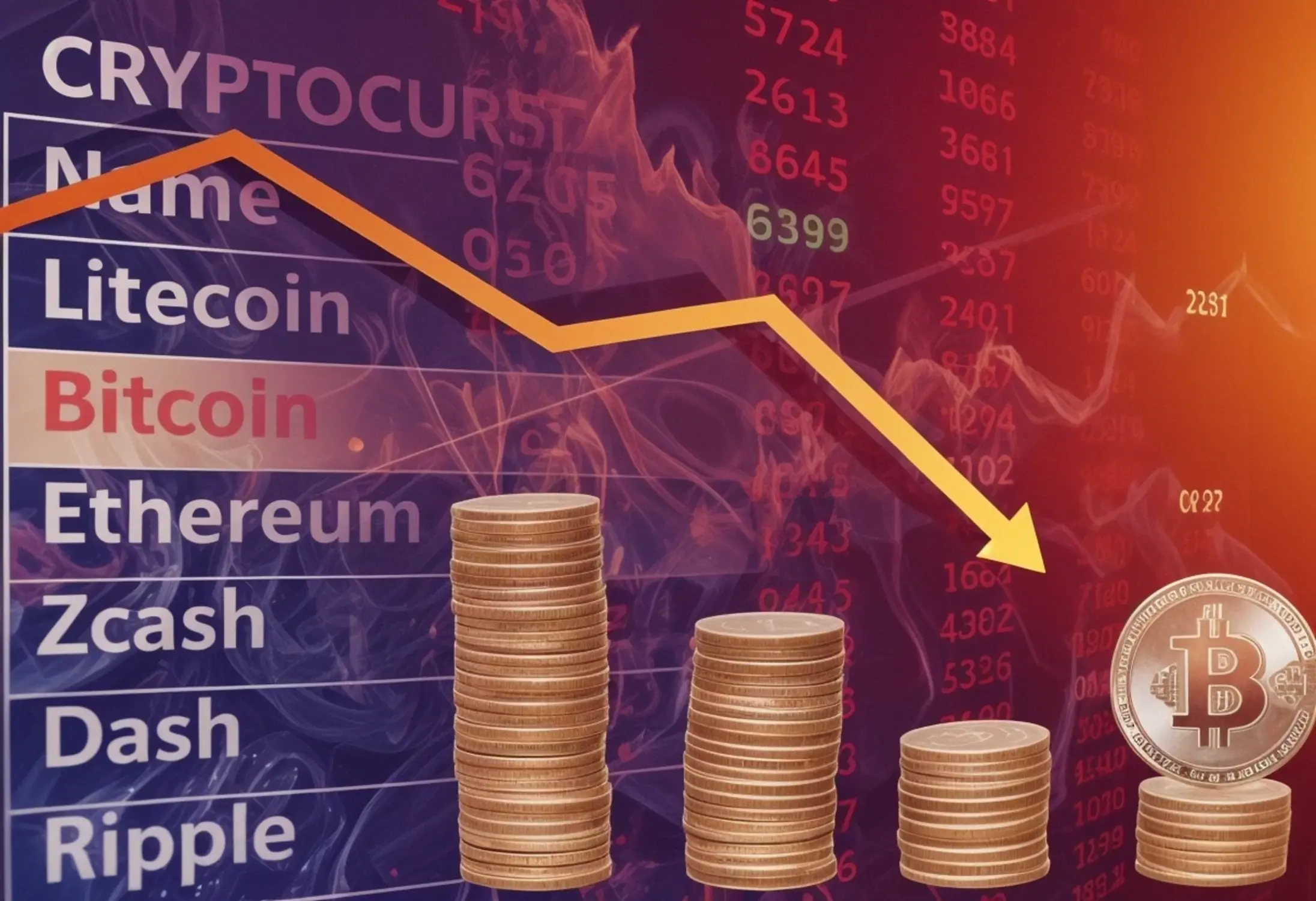
The recent price movements of Bitcoin and Ethereum reveal a stark correlation with the performance of the U.S. dollar. A recent analysis indicated that the prices of both cryptocurrencies fluctuated significantly during recent economic announcements, which invariably affected the dollar’s strength (Yahoo Finance). This correlation becomes evident when observing price trends: as the dollar weakens, Bitcoin and Ethereum have frequently shown resilience and upward momentum, suggesting a flight to assets perceived as inflation hedges.
Moreover, spikes in trading volume often accompany shifts in dollar valuation. Institutional investors react to these movements more nimbly, leading to increased volatility in cryptocurrency markets. Understanding these trends is essential for anyone involved in the cryptocurrency landscape, as they can indicate opportune moments for investment or liquidation.
Economic Impact on Investment Strategies
For investors navigating the complexities of the crypto markets, a keen understanding of dollar valuation can significantly enhance investment strategies. Historical case studies reveal that periods of dollar strength often correlate with lower Bitcoin and Ethereum performance. However, recognizing these patterns allows traders to position themselves effectively against market trends, maximizing potential gains while mitigating risks.
Strategies vary, but often involve:
– Arbitrage opportunities: exploiting price differences between cryptocurrencies and traditional assets during dollar fluctuations.
– Diversification: spreading investments across various currencies and assets to buffer against dollar volatility.
– Trend analysis: utilizing technical analysis to anticipate market reactions to economic news about the U.S. dollar.
Global Impact of U.S. Dollar Fluctuations
The influence of the U.S. dollar extends globally, affecting international crypto adoption rates. Countries with weaker currencies often see an uptick in interest in cryptocurrencies, as citizens turn to more stable assets. This shift starkly contrasts with nations where the dollar’s strength dominates, where cryptocurrencies may be viewed with skepticism.
When compared with other fiat currencies, the dollar’s influence is felt profoundly in global crypto markets. For example, the performance of Bitcoin and Ethereum often diverges based on how the U.S. dollar stacks up against currencies like the Euro or Japanese Yen. Moreover, the concept of dollar dominance highlights potential risks for the broader crypto economy, particularly for nations reliant on the dollar for trade.

Investor Sentiment in the Cryptocurrency Landscape
Investor sentiment is a crucial driver within the cryptocurrency landscape, often shaped by the U.S. dollar’s strength. Psychological factors play a significant role; when the dollar strengthens, many retail and institutional investors may adopt a more conservative approach, leading to reduced trading volumes in cryptocurrencies. Conversely, recent trends indicate that as the dollar weakens, sentiment shifts to optimism, resulting in increased trading activities and interest in Bitcoin and Ethereum.
Analyzing these behavioral insights helps traders anticipate market trends. A collective panic or enthusiasm driven by dollar valuation shifts can signal larger movements within the crypto markets, allowing savvy investors to capitalize on these psychological shifts.
Future Outlook for Bitcoin and Ethereum
The potential for dollar growth or decline holds significant implications for Bitcoin and Ethereum’s prices. If the dollar continues to weaken, cryptocurrency prices could soar as investors flee to these digital assets for protection against inflation. Conversely, a strengthening dollar could diminish interest in cryptocurrencies, placing downward pressure on their prices.
Predictions suggest a volatile road ahead, with Bitcoin and Ethereum potentially experiencing sharp fluctuations as the dollar undergoes corrections. Investors should remain vigilant, continuously adapting their strategies based on economic indicators and dollar performance. Positioning in a volatile market requires not just awareness of dollar trends but an intricate understanding of market reactions, investor expectations, and global economic signals. By keeping an eye on the dollar and its impacts, investors can navigate the intricacies of the cryptocurrency landscape more effectively.