


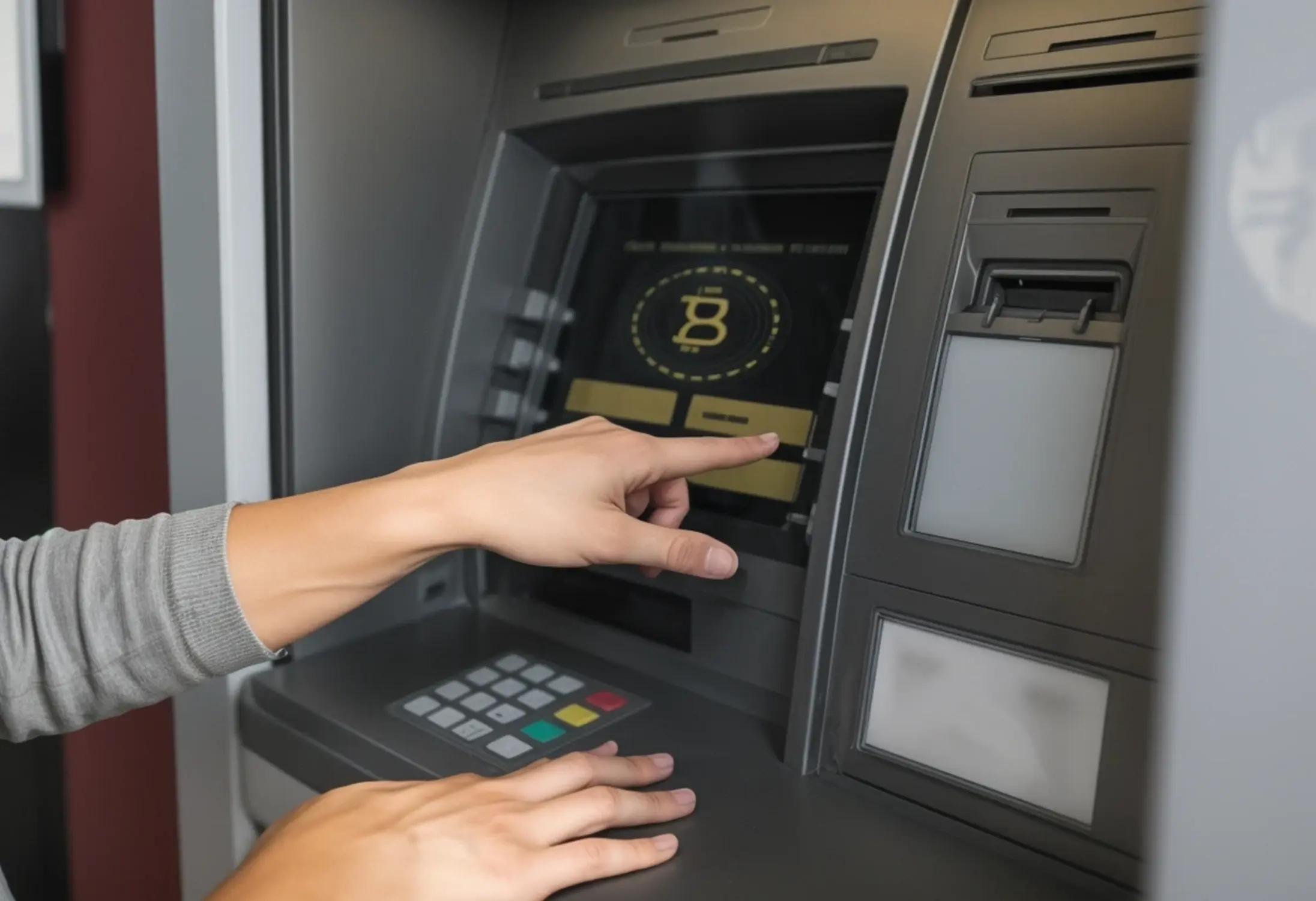
As the landscape of crypto regulations evolves, the future of crypto ATMs in West Virginia is becoming increasingly significant. Understanding these regulations is crucial for businesses and consumers alike, as they can impact cryptocurrency transactions in profound ways.
Importance of Crypto Regulations in West Virginia
Crypto regulations in West Virginia are currently evolving, reflecting a broader national trend aimed at establishing a secure and compliant framework for digital transactions. The West Virginia legislature is actively working on bills that will shape how crypto ATMs operate within the state. These regulations play a vital role in addressing issues such as fraud prevention, customer identification, and transaction reporting, aligning local laws with federal regulations.
The impact of these regulations on crypto ATMs is significant; they help ensure that consumers are using devices that comply with safety and legal standards. As regulations become more robust, they create a foundation of trust and security, encouraging more users to participate in cryptocurrency transactions. This is especially important in a state like West Virginia, where residents may be cautious about adopting new technologies.
Current Landscape of Crypto ATMs
The rise of crypto ATMs across the United States signifies a growing acceptance and demand for cryptocurrency usage. As of 2023, there are approximately 35,000 crypto ATMs operating nationwide, a number that continues to rise year by year. Key statistics show that crypto ATMs facilitate billions in transactions, reflecting changing consumer behavior around digital currencies. According to industry reports, the growth is accelerating, with more users turning to ATMs for their convenience and accessibility.
Demographically, the typical user of a crypto ATM tends to be younger, tech-savvy, and seeking an alternative to traditional banking. A shift in user demographics, with increasing inclusion of older generations, indicates a broader acceptance of digital currencies. This trend underscores the importance of adapting to user preferences and ensuring that ATMs meet the evolving demands of consumers navigating the crypto landscape.
How Regulations Influence Cryptocurrency Transactions
Legal frameworks play an essential role in regulating cryptocurrency transactions. In West Virginia, as new legislation emerges, it inherently influences how transactions are executed, reported, and monitored. These regulations ensure that transactions are compliant with federal laws, reflecting a commitment to consumer protection and fraud prevention.
The relationship between regulations and consumer trust cannot be overstated. Consumers are more likely to engage with crypto ATMs when they are assured of operational transparency and security. Furthermore, evolving regulations can influence transaction fees and market growth. For example, stringent compliance requirements may lead to increased fees, impacting user engagement. However, a more secure environment could also result in higher transaction volumes, balancing the initial financial burden of compliance.
Future Trends for Crypto ATMs in West Virginia
Looking forward, several trends are likely to shape the future of crypto ATMs in West Virginia. One speculation surrounding upcoming regulatory changes is the potential for streamlined compliance processes that could make operating these ATMs easier and more cost-effective for businesses. Additionally, technological advancements may enhance ATM functionalities, allowing users to execute more complex transactions directly.
Partnerships between crypto ATM operators and financial institutions could also emerge, providing integrated solutions that foster greater customer trust and facilitate easier access to cryptocurrency-related services. As more financial players enter the crypto space, we may see a collaborative approach to regulation that benefits both businesses and consumers.
Overcoming Challenges for Crypto ATM Growth
Despite the growth of crypto ATMs, several challenges hinder widespread adoption. Barriers include regulatory complexities, public awareness, and educational gaps surrounding cryptocurrency. Many potential users remain unsure about the risks associated with digital currency, which influences their willingness to engage with crypto ATMs.
To overcome these challenges, businesses must adapt proactively to regulatory changes. This could involve developing comprehensive compliance strategies while also investing in user education programs. Informing users about the evolving nature of regulations and how to navigate their rights can enhance trust and encourage usage.
What Businesses Can Do to Prepare
Businesses operating crypto ATMs in West Virginia can take actionable steps to prepare for regulatory shifts. First and foremost, they should ensure compliance with current regulations, which could include conducting regular audits and staying informed on legislative updates. Leveraging technology to enhance the user experience is essential – ATMs should be user-friendly and provide clear instructions for transactions.
Furthermore, continuous engagement with policymakers is crucial. By participating in discussions surrounding regulations, businesses can contribute their insights and help shape a regulatory environment that benefits all stakeholders involved. Building these partnerships not only helps in compliance but also aids in establishing a sustainable and thriving market for crypto ATMs in West Virginia.