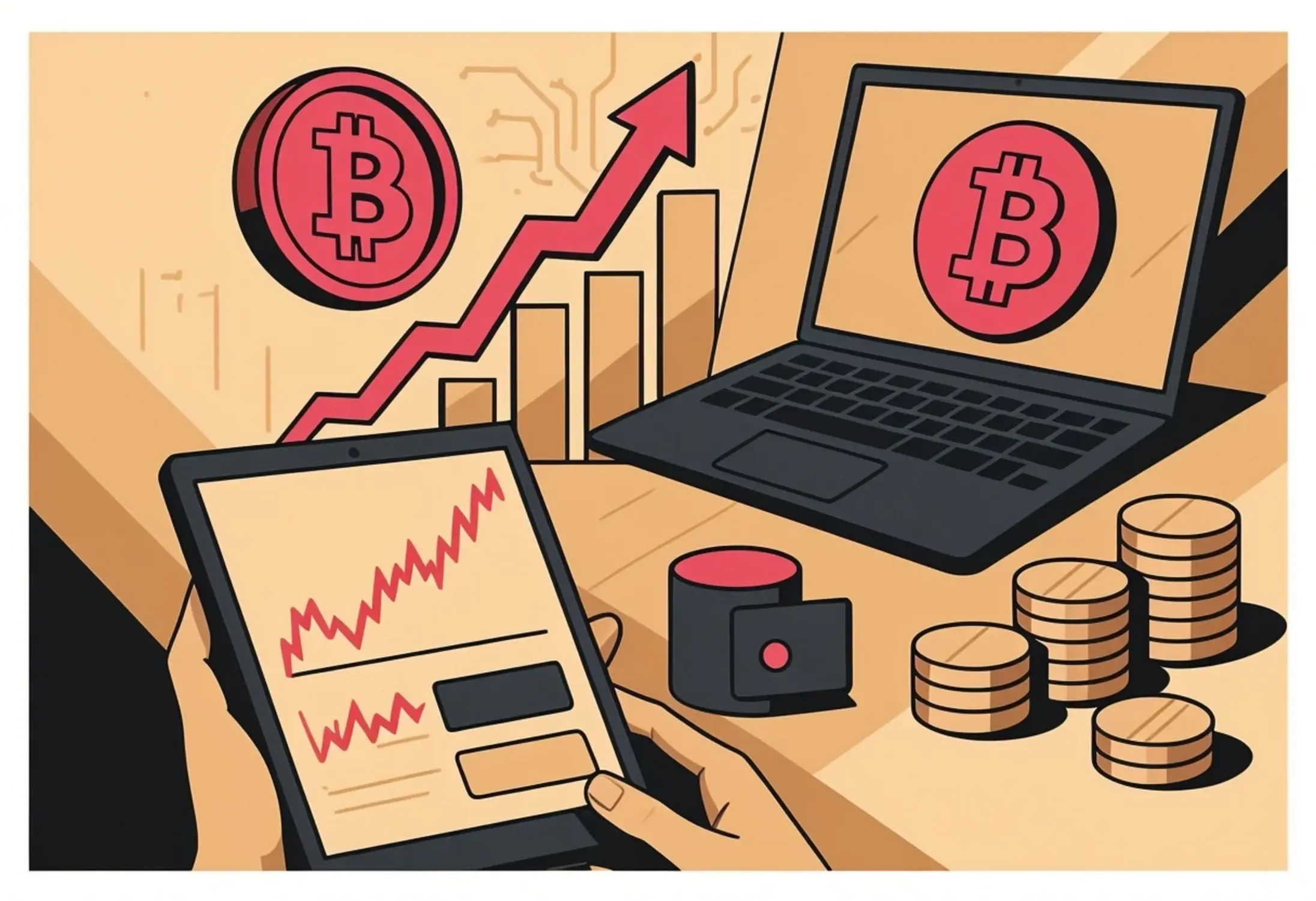


As inflation shifts, understanding how it influences Bitcoin prices is crucial for investors and analysts alike. Currently, the market experiences volatility, but it presents unique opportunities for those who are informed. Here’s a deeper exploration of the factors at play and their implications.
Importance of Bitcoin Prices in Today’s Market
Bitcoin serves as a hedge against inflation for many investors. During periods of economic uncertainty, such as those we are experiencing today, assets like Bitcoin become increasingly attractive. Its decentralized nature and limited supply position it as a potential safeguard against currency depreciation.
In recent economic conditions, investors are cautioned to critically analyze price trends in relation to inflation rates. For instance, the correlation between inflation and Bitcoin’s performance suggests that as inflation rises, so does interest in Bitcoin as an alternative asset. According to a recent analysis, many have turned to Bitcoin during times when traditional currencies lose purchasing power due to inflationary pressures, making it a litmus test for market sentiment (see more). Thus, understanding Bitcoin prices in the context of the broader economy is essential for making informed decisions.
Inflation Trends Affecting Cryptocurrency Valuations
Recent trends in inflation, particularly in the Eurozone, have significant implications for global markets, including cryptocurrencies such as Bitcoin. The recent decline in Eurozone inflation, which reached 2.4% as of November 2024, marks progress towards the European Central Bank’s 2% target (Eurozone inflation data). This change not only affects local economies but also reverberates through cryptocurrency valuations, influencing Bitcoin’s price movements.
Understanding inflationary pressures is key for predicting shifts in Bitcoin prices. When inflation is high, investors often flock to Bitcoin, seeking a refuge from falling currency values. Conversely, when inflation stabilizes, the dynamics of Bitcoin’s market performance may shift, requiring analysts to reassess their strategies. They need to account for both macroeconomic factors, such as central bank policies, and microeconomic conditions, like consumer behavior.
ECB Outlook on Inflation and Its Implications
The European Central Bank’s outlook has profound effects on market sentiment, especially concerning Bitcoin prices. The ECB’s recent statements have expressed confidence in the Eurozone’s inflation trajectory, noting the importance of balanced monetary policy amid ongoing geopolitical tensions. Monitoring these projections can help investors navigate potential price fluctuations as they anticipate reactions in the cryptocurrency markets.
According to analysts, keeping a close eye on announcements from the ECB’s Governing Council is imperative. Their insights often provide a glimpse into future monetary policy and economic stability, which in turn influences Bitcoin’s volatility. In light of the unprecedented interest rate hikes between July 2022 and September 2023, understanding the ECB’s approach will be critical for assessing Bitcoin prices as investors prepare for future market developments (details on interest rates).
Current State of Bitcoin Trading Volumes
Trading volumes act as a barometer for investor sentiment regarding Bitcoin prices. High trading volumes often indicate strong interest, while sudden drops can signal bearish sentiments. Analyzing recent volume trends provides valuable insights for predicting potential price movements. For example, during economic turbulence, increased volatility may be reflected in trading volumes, which fluctuates as traders react to market news and inflation data.
Comparing Bitcoin’s trading volume with traditional assets further highlights its unique market dynamics. Following significant news regarding inflation or central bank policies, Bitcoin may experience more extreme trading volume shifts compared to stocks or bonds, indicating an increasingly speculative nature of its market. This characteristic makes it essential for investors to remain vigilant and adaptable in their strategies to take advantage of potential opportunities.

How Inflation Influences Market Predictions
Inflation directly alters investor behavior, impacting overall market predictions for Bitcoin. In an environment where inflation is rising, risk-taking might increase, as investors allocate more capital into perceived safe havens. Tracking changes in inflation data—such as shifts in consumer prices or labor costs—can aid in accurately forecasting Bitcoin prices.
Additionally, key economic indicators like the Consumer Price Index (CPI) can serve as signal lights for upcoming shifts in the market. For instance, a sudden rise in CPI may lead investors to reevaluate their positions in Bitcoin as they anticipate further inflationary pressures. As noted by industry experts, keeping abreast of these metrics is crucial for anyone looking to capitalize on the cryptocurrency’s volatility in response to inflation changes.
Actionable Steps for Investors Amidst Price Volatility
As Bitcoin prices fluctuate, investors should consider several practical strategies to navigate this volatile landscape. Diversifying portfolios is one essential approach to mitigate risks associated with investing in cryptocurrencies. By spreading investments across various asset classes—such as stocks, bonds, and cryptocurrencies—investors can reduce exposure to Bitcoin’s inherent volatility.
Staying informed about current economic conditions is also critical for decision-making. Regularly reviewing relevant news and market updates helps investors stay ahead of potential shifts. Practical strategies for managing risk include setting stop-loss orders to avoid significant losses during downturns and following macroeconomic indicators closely. Many successful investors have found that monitoring the evolving landscape of inflation and central bank responses can provide both insights and opportunities in complex markets.
In conclusion, understanding how inflation affects Bitcoin prices is essential for any investor looking to navigate the shifting market landscape. By grasping the intricacies of inflation trends, ECB outlooks, and trading volumes, investors can make more informed decisions in these turbulent times.