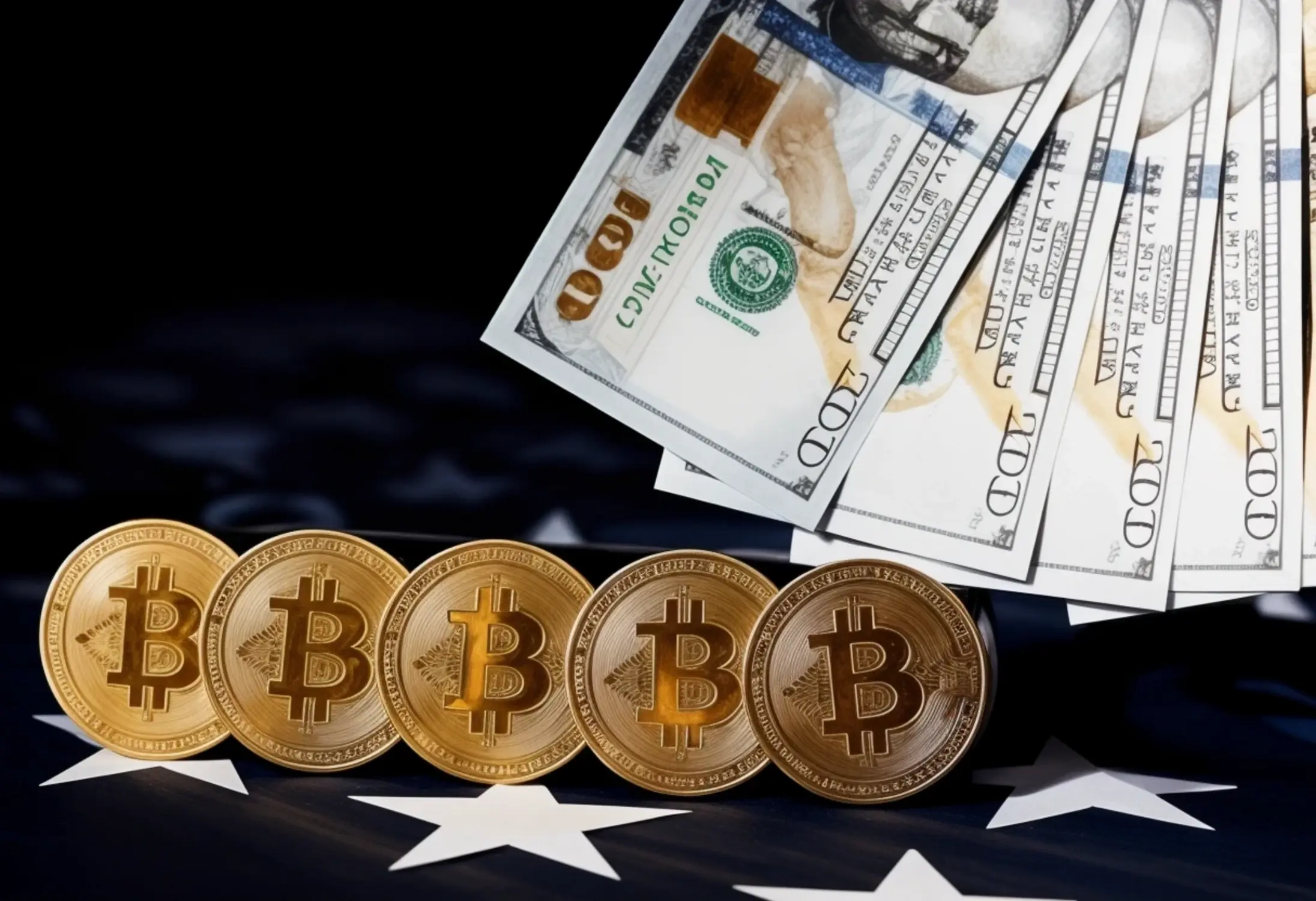


As stablecoins gain traction, understanding their impact on global geopolitical dynamics is crucial for stakeholders. These digital assets not only influence financial markets but also reshape power structures in the global economy, making their developments vital to follow closely.
The Significance of Stablecoins in Today’s Economy
Stablecoins have emerged as a significant player in the financial landscape, offering stability and ease of use compared to traditional currencies. By tying their value to a stable asset, such as the US dollar or gold, stablecoins mitigate the volatility often associated with cryptocurrencies like Bitcoin. This stability makes them attractive for both individual consumers and businesses looking to use cryptocurrencies for transactions.
The benefits of stablecoins extend beyond mere price stability. According to recent reports, they facilitate faster and cheaper transactions across borders. This efficiency is revolutionizing how international trade and remittances are conducted, providing a more inclusive financial environment.
Moreover, stablecoin adoption could significantly alter the dynamics of the global economy. As businesses increasingly leverage stablecoins for conducting transactions, the demand for traditional fiat currencies may decline, leading to potential shifts in monetary policy and economic control.
Geopolitical Ramifications of Stablecoin Adoption
The rise of stablecoins poses intriguing questions about power in international relations. Governments and financial institutions are closely monitoring how these digital currencies could empower non-state actors and disrupt existing financial systems. Countries where stablecoins are widely adopted may gain enhanced economic leverage, impacting their geopolitical stance.
For instance, nations with favorable regulatory frameworks for stablecoins could attract businesses looking to escape restrictive environments in their home countries. This economic migration not only shifts financial power but can also alter diplomatic relationships, as seen with various countries adjusting their policies to create cryptocurrency-friendly environments.
Examples abound where stablecoin usage influences geopolitical stances. Regions experiencing economic instability can use stablecoins to maintain purchasing power and facilitate trade, hence maintaining economic ties with more powerful nations. As a case in point, Venezuela’s use of cryptocurrencies illustrates how stablecoins can provide alternatives in crisis situations while challenging the economic embargoes imposed by more dominant economies.
Current Landscape of Cryptocurrency Regulation
The regulatory landscape surrounding stablecoins is rapidly evolving. Countries are taking varied approaches, reflecting their unique economic needs and political ideologies. In the European Union, stricter regulations are emerging, aimed at integrating stablecoins into the existing financial framework, while the United States seems to be more open, albeit cautious, about the deployment of cryptocurrencies.
Understanding these regulatory frameworks is paramount. Countries like Singapore and Switzerland position themselves as leaders by establishing clear guidelines, potentially attracting more fintech innovation. Conversely, nations that lag in regulation risk falling behind, losing out on economic advancements fueled by stablecoin technologies.
The implications of these regulations are profound. A consistent regulatory approach could facilitate global transactions using stablecoins while a fragmented regulatory environment may inhibit their growth, leading to potential arbitrage opportunities and regulatory evasion.

Tether’s Role in Shaping Geopolitical Power
Tether has emerged as a leading stablecoin, representing a significant portion of the trading volume in the cryptocurrency market. This dominance gives Tether substantial influence over market dynamics and the perception of stablecoins. However, its opacity regarding the backing of its reserves raises significant concerns from regulators and analysts alike.
As seen in various analyses, Tether’s lack of transparency not only invites skepticism about its stability but also poses geopolitical consequences. For instance, if Tether were to fail or be deemed untrustworthy, the repercussions could resonate across global markets, potentially destabilizing economies that heavily rely on it for liquidity.
Furthermore, Tether’s usage in international trade underscores its geopolitical implications. Countries seeking to circumvent sanctions may use Tether for international transactions, effectively challenging traditional economic power structures. Thus, Tether’s role extends beyond mere financial transactions; it becomes a strategic tool in the geopolitical chess game.
Financial Stability and the Global Economy
Stablecoins have the potential to offer financial stability, particularly in times of economic turmoil. They allow users to hedge against hyperinflation and unstable currencies. According to industry experts, stablecoins can serve as a safe haven during crises, much like gold has traditionally done.
However, reliance on stablecoins is not without risks. Issues around governance, regulation, and the transparency of underlying assets can provoke market shocks. Major financial institutions are thus concerned about the systemic risks posed by widespread adoption of stablecoins.
Maintaining stability and ensuring consumer protection will be essential as the ecosystem evolves. The conversation around stablecoins should incorporate robust risk management and compliance to navigate the complexities they introduce to global finance.
Actions for Stakeholders in the Stablecoin Ecosystem
The proliferation of stablecoins brings numerous challenges and opportunities. Policymakers must collaborate to create coherent regulatory frameworks that promote innovation while safeguarding financial stability. The development of international standards can help mitigate the risks associated with regulatory fragmentation.
Businesses should adopt strategies to leverage stablecoins effectively, understanding both their opportunities and risks. Engaging in dialogues with regulators and stakeholders is vital to ensure that they capitalize on potential benefits without running afoul of emerging regulations.
For consumers, awareness and education about stablecoins are paramount. They should be informed of the benefits as well as the risks, including the fluctuations in market perception and the potential implications of regulatory actions.
With the evolving role of stablecoins, stakeholders must remain agile and informed to navigate the shifting landscapes of geopolitics and global finance.