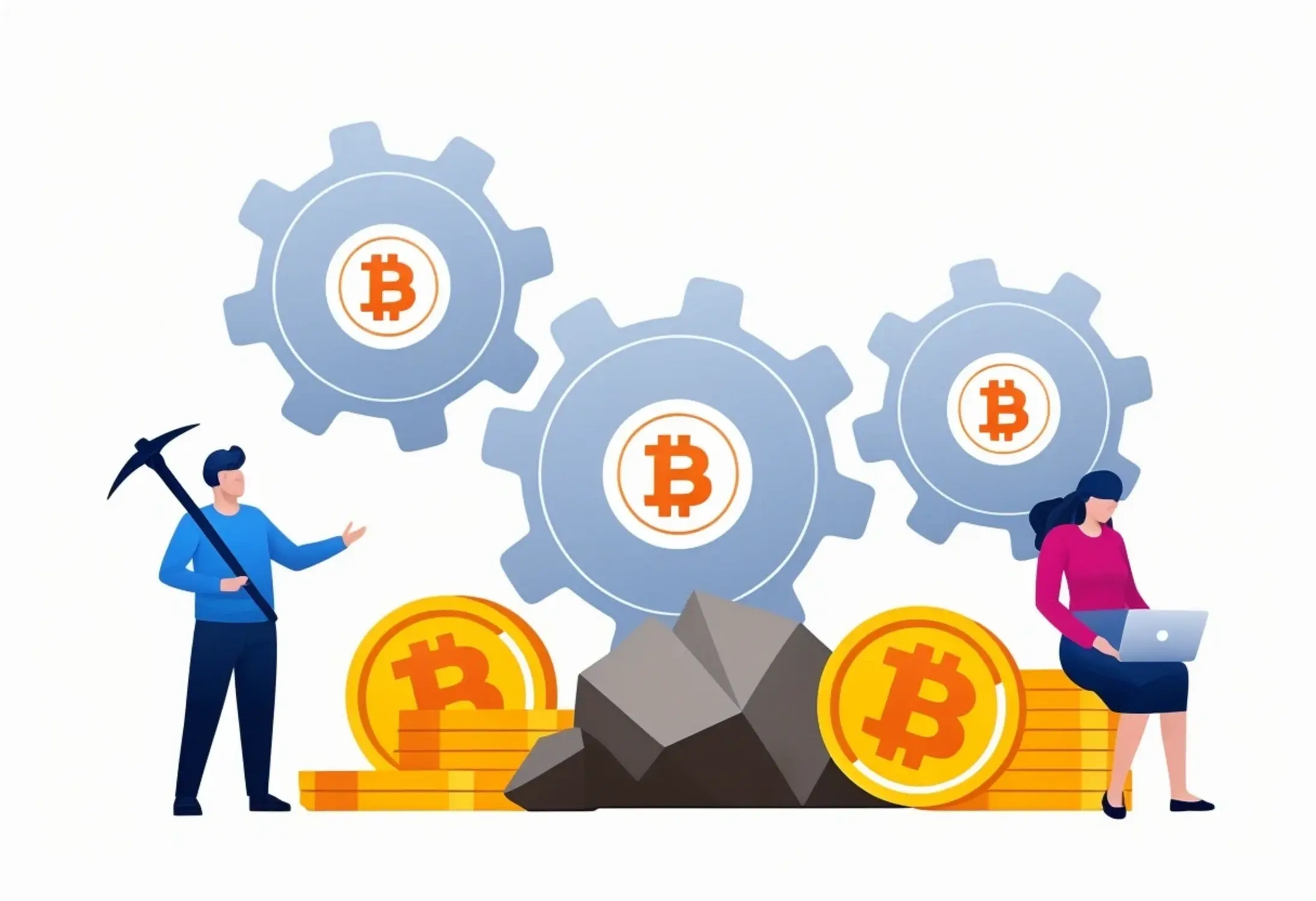

The intersection of geopolitical tensions and Iran’s Bitcoin mining strategy is reshaping the landscape of digital assets in the region. With Iran accounting for a significant share of global Bitcoin hashrate, these developments pose risks and opportunities for investors and policymakers alike.
Impacts of Geopolitical Conflicts on Iran’s Bitcoin Mining
International pressures have profoundly impacted Iran’s Bitcoin mining operations. As geopolitical tensions escalate, such as U.S.-Israeli conflicts, they disrupt the mining infrastructure and environment in Iran. For instance, some analysts have noted an increase in fears regarding potential strikes that could impact the country’s mining facilities. According to recent reports, claims that military actions could wipe out a significant portion of global Bitcoin hashrate were viewed as exaggerated, yet the underlying risks to operations remain significant (Yellow).
Specific geopolitical events, including sanctions and clashes, directly affect the cost and viability of mining cryptocurrencies in Iran. The financial sanctions imposed on Iran restrict access to essential technologies and equipment, directly impacting mining operations. The Iranian economy’s instability exacerbates these issues, leading to reduced efficiency in the mining sector.
Regional stability is crucial to fostering a conducive atmosphere for digital asset creation. Data from industry experts indicates a transition in Iran’s Bitcoin mining landscape, where local conditions continue to evolve amidst these pressures. As geopolitical uncertainties linger, Iranian miners are compelled to adapt or risk losing their competitive edge in the global market.
Iran’s Bitcoin Mining Landscape Today
Iran’s current standing in the global Bitcoin mining arena is notable yet shaky. The country once held a peak share of approximately 7.5% of the global hashrate, but this has diminished significantly, with estimates suggesting a share between 2% and 5% as of early 2026 (Yellow). This decline reflects both the impact of international sanctions and operational challenges faced by miners.
Recent reports indicate a struggle among Iranian miners to sustain production due to these evolving circumstances. Additionally, local energy shortages and inefficient energy distribution systems pose significant challenges. The mining environment is fraught with risks, stemming not only from geopolitical issues but also from energy constraints and economic conditions influenced by sanctions.
As such, many miners are left to recalibrate their strategies. They are increasingly focusing on sustainable practices or relocating their operations to more hospitable environments, which indicates a complex interplay between regional and global dynamics in the crypto landscape.
The Role of Crypto Risks in Iran’s Economy
The rise of digital currencies in Iran brings a host of unique risks, placing pressures on the existing economic framework. The instability of international relations significantly influences the crypto economy, as sanctions create uncertainty regarding the security of investments and transactions. For instance, unstable conditions prompt caution among investors regarding market fluctuations in cryptocurrencies during geopolitical crises.
Regulatory challenges are integral to understanding crypto risks within Iran’s economy. Iranian authorities grapple with the implementation of regulations that can adequately govern the burgeoning crypto space. This inconsistent regulatory framework often exacerbates investment risks, as stakeholders navigate an unpredictable landscape.

Many local investors express concerns about security and potential losses due to cryptocurrency volatility, thus affecting the broader adoption of digital assets. Moreover, as per recent insights, the Islamic Revolutionary Guard Corps (IRGC) reportedly influences the crypto sector, adding to an opaque regulatory environment that complicates the investment landscape further.
Understanding Iran’s Stablecoin Economy
Stablecoins are gaining traction in Iran, serving as a crucial component of the financial ecosystem. These digital assets, designed to minimize price fluctuation, are becoming increasingly relevant amid economic turmoil. Stablecoins offer Iranian consumers and businesses a tool to mitigate risks, particularly in volatile markets that threaten traditional currencies.
In volatile environments, stablecoins can provide stability and certainty, offering a strategic hedge for local businesses against the devaluation of the national currency. Case studies reveal that Iranian businesses increasingly use stablecoins for cross-border trade, enabling smoother transactions that are less susceptible to typical currency fluctuations.
In the broader financial context, stablecoins are instrumental in promoting a more robust digital economy. They position Iran’s crypto landscape to adapt to international market trends while buffering against the adverse impacts of geopolitical uncertainties.
Analytics of Iran’s Cryptocurrency Activities
Statistics indicate a burgeoning interest in Iran’s cryptocurrency activities, with significant amounts flowing through various channels. Chainalysis recently reported that Iran’s total cryptocurrency activity reached approximately $7.78 billion in 2025, suggesting a substantial underground economy influenced by geopolitical tensions (Chainalysis).
The flow of cryptocurrency in Iran is affected by various factors, including international pressures that strain the economic framework. Insights indicate that more than 50% of total crypto inflows are associated with the IRGC, highlighting the nuanced role of political entities in shaping the crypto landscape.
Moreover, the impact of military actions is evident; recent findings highlighted a dramatic 700% spike in outgoing transaction volumes from Iranian exchanges coinciding with an outbreak of conflict, showcasing how external factors influence Iran’s cryptocurrency scene.
Future of Digital Assets Amid Geopolitical Uncertainties
As geopolitical uncertainties persist, the future of digital assets in Iran remains laden with potential challenges and opportunities. Analysts suggest that innovation could thrive despite risks. Stakeholders, including miners, investors, and policymakers, must navigate a complex interplay of local needs and international pressures.
Future scenarios could adaptively balance the growth of the crypto economy while addressing regulatory concerns. Local innovation initiatives may bolster Iran’s position in the global digital asset market, emphasizing the need for a well-defined framework that can accommodate this evolving landscape. Recommendations for stakeholders include advocating for clearer regulatory guidelines and exploring collaborative efforts to mitigate risks associated with cryptocurrency investments.
In conclusion, while geopolitical tensions remain a defining factor, the evolution of Iran’s crypto landscape presents opportunities for growth and strategic development. With the right approach, Iran can harness its digital asset potential, despite external challenges.