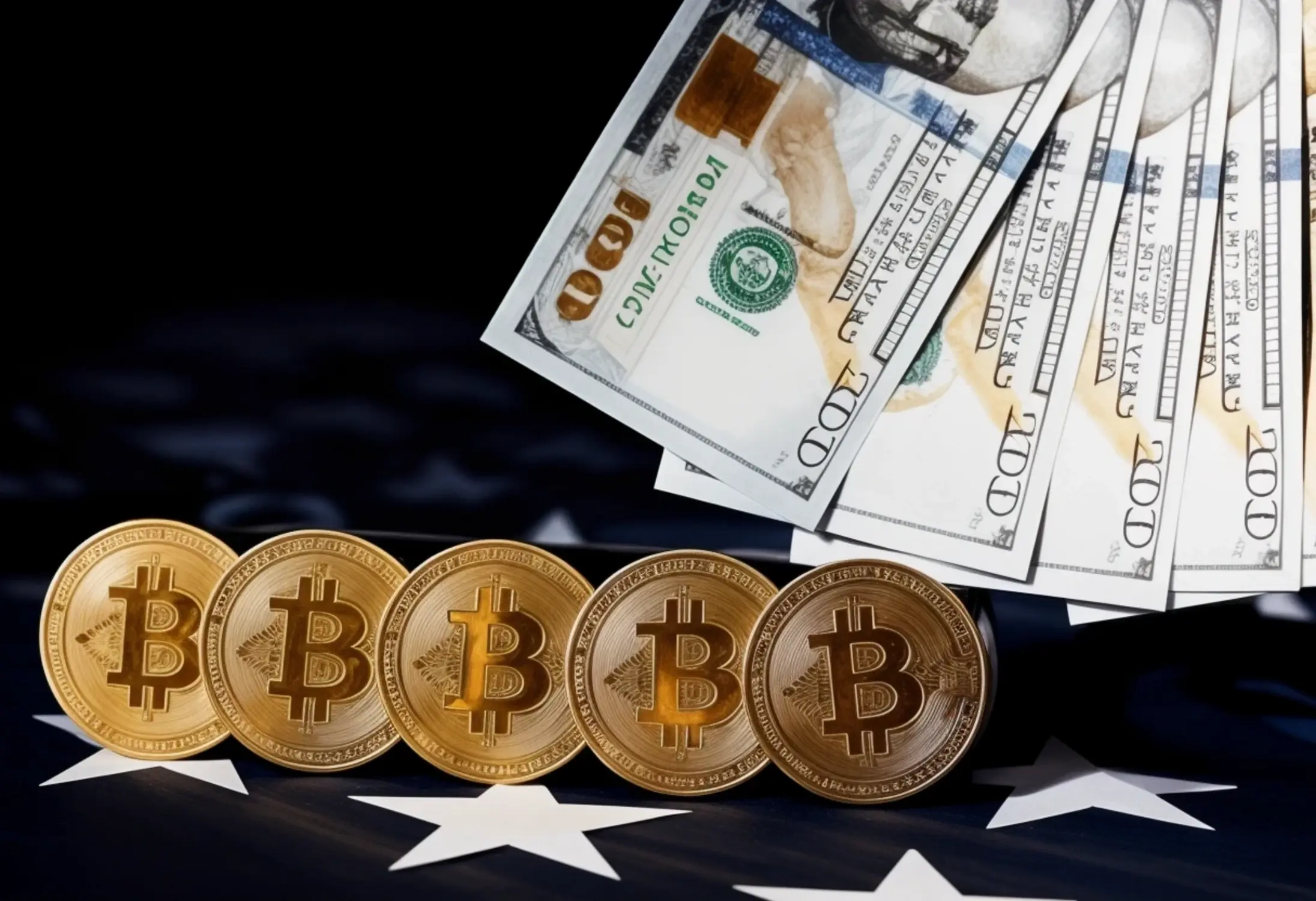


In today’s volatile financial landscape, the debate between Bitcoin versus Gold intensifies. Understanding Ray Dalio’s perspective on gold as a resilient asset is crucial for investors seeking stability in their portfolios amid uncertainty.
Importance of Gold in Investment Strategies
Gold has long been heralded as a robust investment option, capable of withstanding economic downturns. Unlike Bitcoin, which is a relatively new entrant in the investment world, gold has a rich historical performance record. The trust in gold spans centuries, bolstered by its status as a tangible asset and a store of value. According to recent insights from Ray Dalio, investors should consider allocating 5-15% of their portfolios to gold, highlighting its importance in protecting wealth.
In contrast, Bitcoin, while gaining popularity, has not demonstrated the same degree of stability. Its price can see dramatic fluctuations that challenge its viability as a safe-haven asset. For instance, during past market downturns, gold typically appreciates, while Bitcoin has often followed market trends, leading to increased investor uncertainty. Historical data shows that over the last few decades, gold has consistently outperformed in times of crisis, reinforcing its reputation as a stable asset that investors rely upon during turbulent times.
Bitcoin’s Limitations as a Safe-Haven Asset
Bitcoin’s evolution as a so-called safe-haven asset continues to face skepticism. The primary concern lies in its volatility; the cryptocurrency market can swing wildly, influenced by various factors such as regulatory news and market sentiment. Unlike gold, which benefits from a longstanding track record in the financial markets, Bitcoin’s relatively short history fuels doubts about its reliability during crises.
Moreover, central banks have largely refrained from adopting Bitcoin in the same capacity as gold. They view gold as a proven asset that can underpin national currencies, whereas Bitcoin remains an unregulated entity without a central backing. According to Dalio, this reluctance underscores Bitcoin’s inherent drawbacks as a potential safe-haven investment. The lack of widespread acceptance among institutional investors further complicates Bitcoin’s position compared to the time-tested asset class of gold.
Current Market Dynamics Influencing Gold and Bitcoin
The landscape for both gold and Bitcoin is shaped significantly by current market dynamics. As inflation rates rise globally, investor sentiment tends to lean towards assets known for preservation of value. In this context, gold has historically seen increased demand. Conversely, Bitcoin’s speculative nature can heighten during economic downturns, often leading to its price dropping alongside stock markets.
Additionally, hedge funds play an important role in shaping market perceptions about these assets. They increasingly turn to gold as a hedge against inflation and currency devaluation, pushing its price upward. Recent trends indicate a growing interest in gold investments from hedge funds, echoing Dalio’s insights on the asset’s stability. As institutional interest in gold solidifies, Bitcoin’s position is further questioned, raising concerns over its ability to compete long-term against more established assets.
Ray Dalio’s Insights on Portfolio Diversification
Ray Dalio emphasizes the concept of diversification as a cornerstone for sound investment strategy. His model suggests that holding a diversified portfolio, consisting of various asset classes including gold, is crucial for mitigating risks. Dalio specifically advises that 5-15% of an investment portfolio should be allocated to gold to effectively reduce exposure during economic instability.
He articulates that diversification across different types of assets helps protect against the unpredictable nature of financial markets. This approach not only secures wealth but also supports long-term financial growth. As a hedge fund manager at Bridgewater Associates, Dalio’s strategy resonates with investors seeking to balance risk, and it reinforces the argument that gold remains a vital component in any diversified portfolio.

Hedge Funds and Their Influence on Gold Prices
In recent years, hedge funds have increasingly tilted their strategies toward gold investments, significantly influencing gold prices. The data indicates that the surge in hedge fund interest has correlated with rising gold prices, as these funds often allocate substantial resources to gold as a hedge against inflation and economic downturns.
Hedge funds’ strategies often revolve around risk management, making gold an attractive option. Historically, when hedge funds move towards gold, prices tend to rise due to increased demand. This trend underscores gold’s importance as not just a precious metal, but as a financial asset that can stabilize returns amid market fluctuations. Dalio points out that this growing affinity among hedge funds for gold speaks volumes about its reliability compared to more volatile assets like Bitcoin.
Future Outlook: Gold versus Bitcoin
Looking ahead, the future trends for gold and Bitcoin show a stark divergence. Experts predict that as economic uncertainties loom, gold will likely maintain or enhance its status as a safe-haven asset, particularly as inflation concerns rise globally. Conversely, Bitcoin’s future remains uncertain, with many analysts highlighting that the cryptocurrency’s volatility could deter investors from seeing it as a long-term stable investment.
In the long term, Dalio’s view suggests that gold will not lose its luster, while Bitcoin may struggle to gain acceptance as an equivalent alternative. The implications for investors are significant; allocating investments wisely between different asset classes remains imperative for wealth preservation and growth. Understanding these dynamics will aid investors in making informed decisions about their portfolios in an ever-changing economic environment.