

As the digital payments landscape rapidly evolves, the stablecoin economy emerges as a crucial element, enhancing cryptocurrency stability. Understanding the interplay between stablecoins and XRP is essential for grasping the future of digital currency and market predictions influencing financial systems.
Importance of Stablecoin Economy Right Now
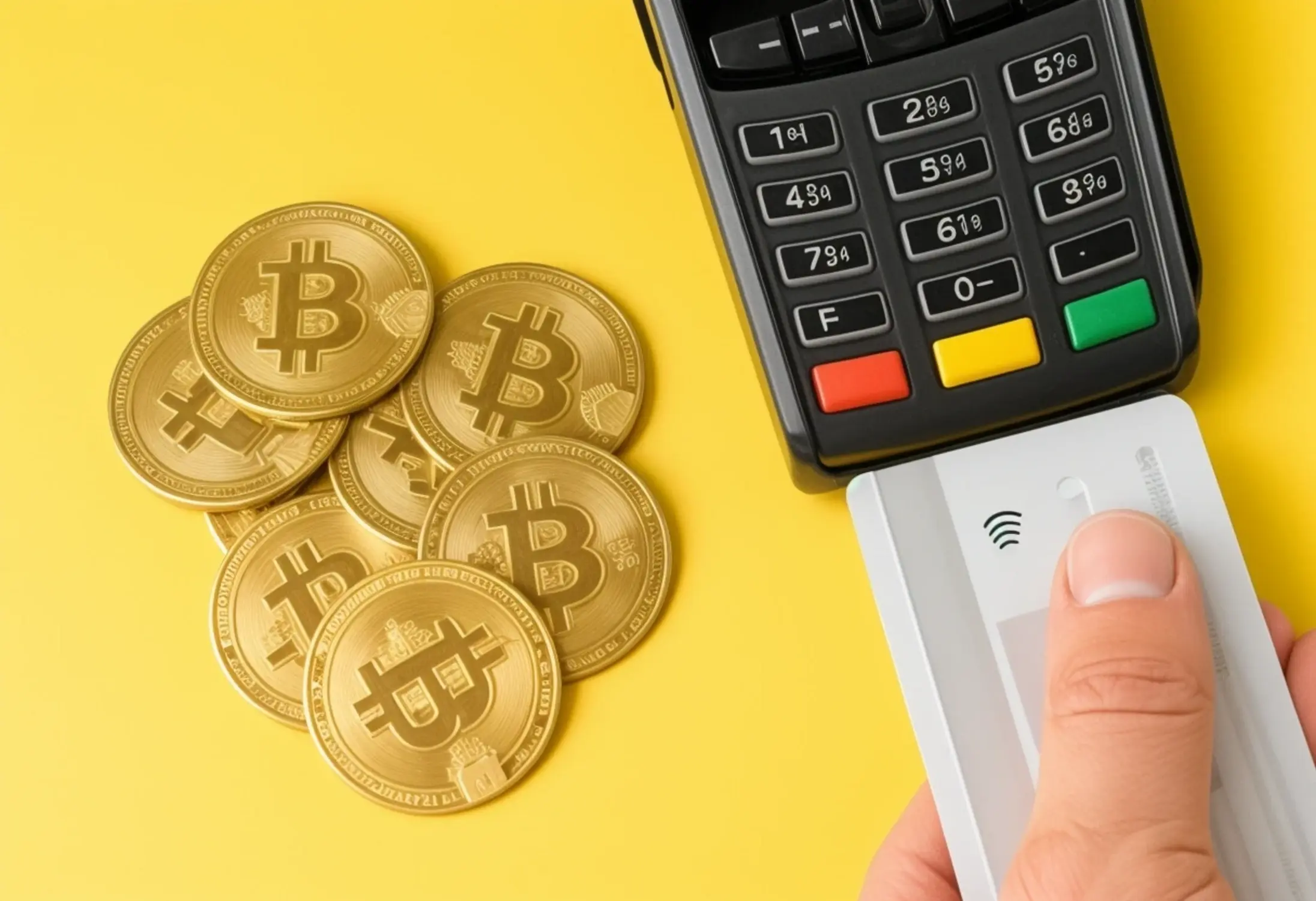
The rise of stablecoins has significantly impacted global financial systems. These digital assets are designed to maintain a stable value against fiat currencies, thereby enhancing user confidence. As market analytics suggest, the stability offered by stablecoins fosters enhanced market confidence, which is vital as businesses and consumers navigate uncertain economic conditions. In addition, the infusion of stablecoins into day-to-day transactions allows for real-time payments that are less susceptible to the volatility often associated with traditional cryptocurrencies. This immediacy benefits both businesses and consumers alike, making transactions smoother and more predictable.
Furthermore, stablecoins can act as a bridge between conventional and digital economies, paving the way for wider adoption of digital currencies. The increasing acceptance of these instruments highlights their relevance in the financial ecosystem. As stated by Neha Narula from Project Syndicate, stablecoins can become crucial infrastructural components if they gain systemic importance.
Current Landscape of Digital Currency Developments
The digital currency realm continues to witness rapid technological advancements, particularly concerning stablecoin technology. Innovations such as algorithms for enhanced price stability and improved transaction speeds are redefining user experiences. Furthermore, regulatory updates play a significant role in ensuring the cryptocurrency stability necessary for mass adoption. As governments globally refine their stance on cryptocurrency regulations, businesses must stay informed about changes that could affect their operations.
Insights into market predictions suggest that stablecoins will only become more integral to financial systems. Analysts predict an increase in the use of stablecoins for commerce, suggesting a shift toward digital transactions as a norm. Recently, experts have forecasted that we might see significant improvements in electronic payment systems through the integration of stablecoins, enhancing seamless operations across borders. Thus, the evolving landscape serves as a clear indicator of stablecoins’ importance in shaping future economic frameworks.
Role of XRP in Liquidity and Transfers
XRP distinguishes itself as a powerhouse in liquidity management, acting as a bridge in digital transactions. Its unique functionality enables quicker and cheaper cross-border payments, making it an attractive option for financial institutions. By integrating XRP with stablecoins, businesses can achieve enhanced transaction efficiency. This integration allows customers to benefit from the liquidity and speed offered by XRP while enjoying the price stability associated with stablecoins.
Additionally, this relationship is beneficial for transactions — stablecoins can facilitate everyday digital payments, whereas XRP can be utilized for large cross-border transfers. According to recent analysis, integrating XRP enhances transaction volumes, thereby solidifying its role in modern payment systems. It is clear that both assets, when utilized concurrently, offer a comprehensive solution to the challenges faced in today’s financial environments.
Distinguishing Functions of Stablecoins and XRP
While stablecoins and XRP are often mentioned in tandem, their functions differ significantly within the payments landscape. Stablecoins may serve as the digital currency option, providing price stability, while XRP acts primarily as a liquidity provider. This distinction allows businesses to leverage both assets in complementary ways.
For instance, the relationship between Ripple’s RLUSD stablecoin and XRP exemplifies this complementarity. According to Versan Aljarrah, stablecoins enhance the digital economy by operating as a secure medium of exchange, whereas XRP ensures liquidity during transfers. This synergy is evident in the operational frameworks of many digital payment solutions, reinforcing the idea that both stablecoins and XRP are pivotal in the evolving digital payment infrastructure.

Risks and Concerns in Blockchain Payments
Despite the numerous benefits, the increasing prominence of stablecoins raises risks and concerns, particularly regarding blockchain technology. As stablecoins become more integrated into financial systems, scrutiny is necessary to mitigate potential systemic risks. Notably, while innovative, the decentralized nature of blockchain comes with its challenges, including regulatory compliance and market volatility.
Moreover, experts emphasize the need for regulatory measures to ensure that stablecoins maintain stability and trust among users. This requires a robust framework that addresses potential risks yet fosters innovation. As Neha Narula highlights, “not all blockchains are created equal,” suggesting that thorough assessments are critical to secure the future of these technologies in the financial sphere. Without adequate regulations, the rapid growth of stablecoins could lead to unforeseen consequences in the marketplace.
Future of the Stablecoin Economy and Digital Payments
Looking ahead, market predictions indicate an expanding role for stablecoins within the global digital payments framework. As more businesses adopt these digital currencies, the need for comprehensive regulations will rise in tandem. Strategies for businesses must adapt, leveraging stablecoins while maneuvering within evolving regulatory environments to remain competitive.
Furthermore, the potential for stablecoins to interact with other cryptocurrencies like XRP will continue to reshape payment landscapes. This adaptability could be a game-changer for organizations seeking to implement agile financial solutions. Overall, the future of the stablecoin economy appears to be one of growth and transformation, where effective regulatory measures will play a crucial role in maintaining the delicate balance between innovation and stability.