

Iran’s crypto economy represents a fascinating case study of resilience in the face of international sanctions. By leveraging innovative strategies and navigating geopolitical tensions, Iran is shaping its cryptocurrency landscape to not only survive but flourish. With a burgeoning crypto ecosystem valued at approximately $7.78 billion, it is vital to understand how Iran is redefining its economic paradigms amid complex global relationships.
The Rise of Iran’s Crypto Economy
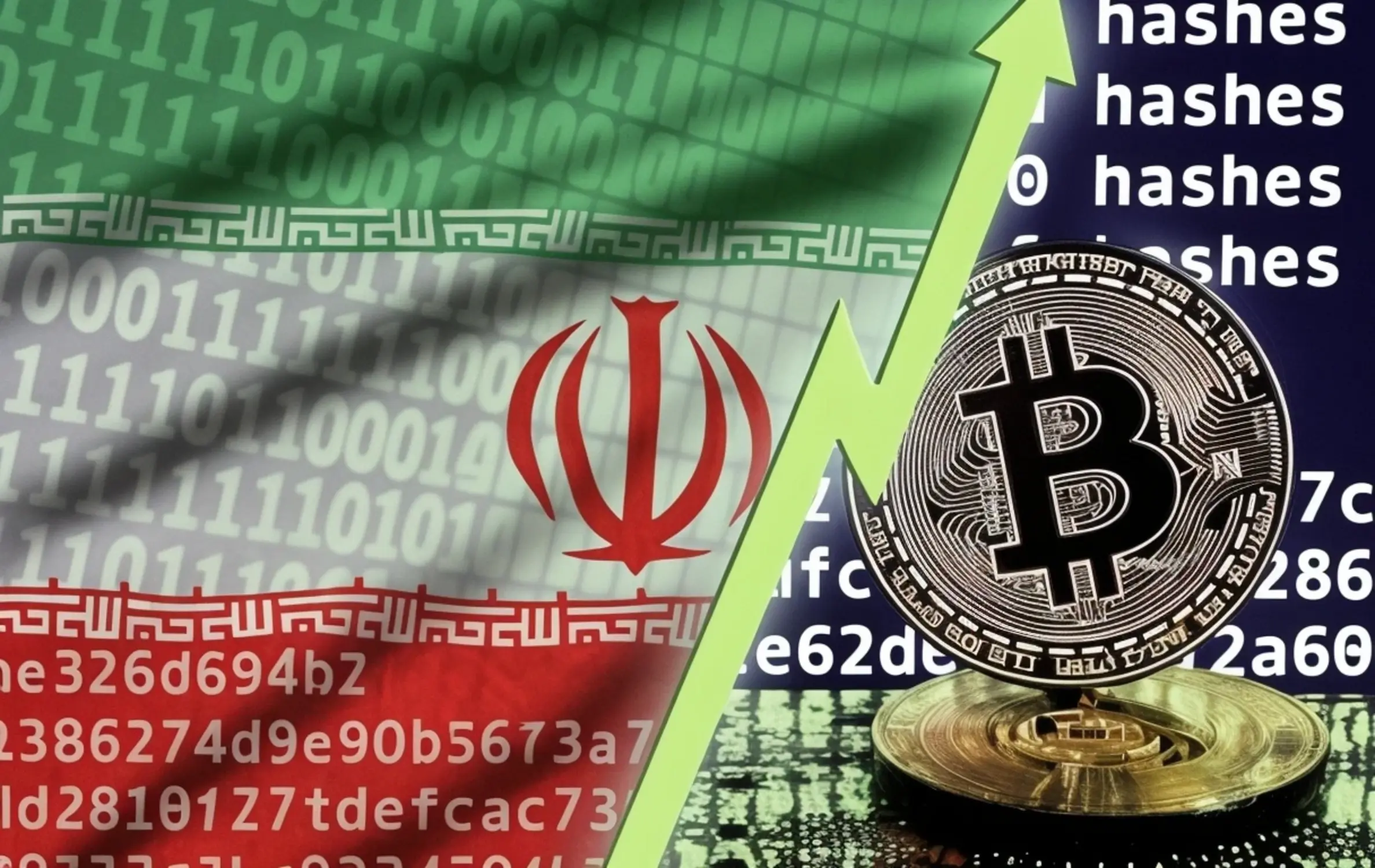
Iran has made significant strides in developing a crypto economy that adapts to the challenges posed by sanctions. Over the last few years, Iran has emerged as a noteworthy player in global Bitcoin mining, with estimates suggesting it accounts for 2-5% of the global Bitcoin mining power, primarily attributed to its access to subsidized electricity for mining operations. According to recent analysis, the Iranian cryptocurrency ecosystem is set to reach a valuation of $7.78 billion by 2025, reflecting its growing importance in the region and beyond.
The rise of Iran’s crypto economy can largely be traced to the country’s economic isolation from the global financial system. Sanctions have pushed Iranian businesses and investors to consider alternative assets, particularly cryptocurrencies like Bitcoin, Ethereum, and XRP. As these digital currencies provide an avenue for circumventing traditional financial systems, Iranian investors are increasingly leaning on these innovative technologies to facilitate transactions and engage with the global economy.
Geopolitical Tensions and Their Impact on Crypto
The ongoing geopolitical tensions significantly influence Iran’s strategy in the crypto sector. The nation’s strained relations with the U.S. and Israel lead to a cautious approach in its crypto activities. International sanctions have not only restricted Iran’s ability to transact freely in global markets but have also influenced the domestic adoption of cryptocurrencies.
The Islamic Revolutionary Guard Corps (IRGC) plays a critical role in shaping Iran’s crypto landscape. Reports indicate that IRGC-linked addresses accounted for more than 50% of total Iranian crypto inflows in the fourth quarter of 2025, highlighting the intertwining of political and economic strategies in this digital sphere. Geopolitical tensions have thus galvanized Iran’s efforts to utilize crypto investments as a means of economic resilience and survival, aptly navigating through hostile foreign policies.
Innovative Strategies in Crypto Investments
In response to the challenges posed by sanctions, Iranian investors have developed innovative strategies to bolster their crypto investments. One key tactic involves using cryptocurrencies for cross-border transactions, allowing them to bypass traditional banking systems and facilitate trade more smoothly.
For instance, Ethereum has emerged as a crucial component of Iran’s investment strategy due to its smart contract capabilities, which enable sophisticated transactional frameworks. Similarly, XRP serves as a tool for making international payments more efficient and cost-effective. By leveraging these digital currencies, Iran positions itself to capitalize on global market opportunities while remaining insulated from conventional financial pressures.
Examples of Innovative Solutions
Iranian entrepreneurs have also introduced unique solutions tailored to the country’s context. One such example is the establishment of crypto exchanges that operate within a loosely regulated framework. These platforms facilitate the exchange of local currency for cryptocurrencies, empowering local traders to engage with international markets.
Challenges Facing Iran’s Crypto Landscape
Despite its burgeoning crypto economy, Iran faces myriad challenges stemming from external sanctions. The aggressive targeting of Iran’s electricity infrastructure by the U.S. and Israel further complicates the situation, potentially destabilizing the resources available for Bitcoin mining operations.
Moreover, as geopolitical dynamics shift, the ongoing surveillance of crypto transactions could hinder the growth of Iran’s crypto landscape. The re-imposition of sanctions and ongoing scrutiny may serve to discourage foreign investment or participation in the Iranian crypto market, prompting further innovation in response.

Harnessing Subsidized Electricity for Mining
One of the significant advantages of Iran’s crypto economy is its access to low-cost, subsidized electricity. This access enables Iranian miners to operate at lower overhead costs compared to counterparts in other nations, making Bitcoin mining economically viable even amid restrictive measures.
However, this practice also raises environmental concerns. The energy-intensive nature of cryptocurrency mining contributes to local pollution and resource strain—a challenge that must be addressed as Iran continues to expand its mining capabilities.
When comparing Iran’s mining efficiency to other countries, it becomes evident that this advantageous electricity pricing allows Iran to remain competitive on the global stage, even as financial sanctions constrain its broader economic activities.
Future of Iran’s Crypto Economy
Looking ahead, the future of Iran’s crypto economy remains uncertain but promising. As international policies evolve, Iran could potentially influence global cryptocurrency markets due to its unique position. As geopolitical tensions continue to shape crypto strategies, the Iranian government may see the crypto sector as a vital component of economic policy.
The prospect of a more emerging market for cryptocurrencies in Iran could stimulate growth, drawing in much-needed investments. However, long-term sustainability will depend on how effectively Iran can address the balance between innovation and external pressures. As the world becomes increasingly digitized, Iran’s crypto economy could serve as a model for other nations grappling with similar circumstances, demonstrating how strategic adaptation in the crypto space may yield rewards despite adversity.